Find a First Responder Issues Therapist in Mississippi
This page lists clinicians who specialize in first responder issues and serve Mississippi residents. You can review profiles, specialties, and treatment approaches to find a therapist who fits your needs. Browse the listings below to begin connecting with providers in Mississippi.


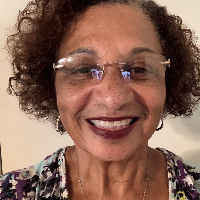
Phyllis Houston
LPC
Mississippi - 26 yrs exp





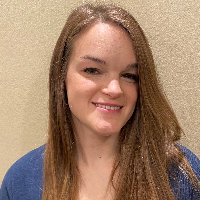

Chinnika Crisler
LCSW
Mississippi - 13 yrs exp














How first responder issues therapy works for Mississippi residents
If you are a law enforcement officer, firefighter, paramedic, corrections worker, or other emergency professional in Mississippi, therapy can offer practical tools and emotional support tailored to the unique stresses of your role. Therapy typically begins with an intake conversation where you and a clinician discuss your background, current concerns, and goals. From there you and the therapist choose a treatment path that may include talk-based approaches, skills training, and structured strategies to manage stress, sleep problems, or relationship strain. Sessions are usually scheduled weekly or biweekly at first and may change over time as your needs evolve.
In Mississippi, some therapists provide in-person sessions in clinic settings across cities like Jackson, Gulfport, Hattiesburg, and Biloxi, while others offer remote appointments that make it easier to fit care around shift work. You will want to confirm that any clinician you consider is licensed to practice with residents of Mississippi and that their approach aligns with the practical challenges you face on the job.
Finding specialized help for first responder issues in Mississippi
Searching for a therapist who understands the culture and demands of emergency work can make a big difference. Start by looking for clinicians who highlight experience with first responder populations, trauma-informed practices, or occupational stress in their profiles. In larger metro areas like Jackson and Gulfport you may find clinicians with specific backgrounds in working with police, fire, or EMS teams, while in smaller towns it may be more common to find general trauma-focused clinicians who adapt their methods to your profession. If you use teletherapy, you can expand your options beyond your immediate area while still choosing someone who understands Mississippi's communities and the realities of local emergency systems.
When you contact a therapist, ask about the kinds of cases they typically work with and whether they have experience helping people with shift work, exposure to traumatic events, or cumulative operational stress. A short phone or video consultation can help you gauge whether the clinician’s style and treatment plan will fit your expectations and schedule.
What to expect from online therapy for first responder issues
Online therapy can be a practical choice if your schedule includes long shifts, overnight work, or frequent travel. You can expect sessions to resemble in-person therapy in structure - a dedicated time to speak with a clinician who listens, reflects, and guides you through skills and strategies. Technology allows for flexible scheduling and can remove the commute barrier that often prevents first responders from seeking care. Before your first online appointment, make sure you have a reliable internet connection, a device with audio and video capability, and a quiet personal space where you can focus without interruptions.
Therapists who offer remote sessions will also explain how they handle emergencies and crisis planning, so you know what to expect if a difficult issue arises between appointments. If you live in a rural part of Mississippi, teletherapy may connect you to clinicians with specialized training who are not located nearby. Keep in mind that licensing requirements mean therapists must be authorized to see clients who reside in Mississippi, so verify that the provider can legally offer services to you in this state.
Common signs that someone in Mississippi might benefit from first responder issues therapy
You might consider seeking specialized therapy if you notice changes that affect your wellbeing or daily functioning. Common indicators include ongoing difficulty sleeping, intrusive memories of distressing events, increased irritability or startle responses, and persistent fatigue that does not improve with rest. You may find that work-related stress spills into personal relationships, causing distance from friends or family, or that your ability to concentrate and make decisions has become harder. Some first responders turn to alcohol or other substances to manage strong emotions or to unwind, and if use becomes more frequent or problematic it is a clear sign to reach out for support.
Even if symptoms feel mild or inconsistent, early help can prevent patterns from worsening. Therapy is not only for moments of crisis - it is also for building resilience, improving coping strategies, and restoring balance between work demands and life outside duty.
Tips for choosing the right therapist for this specialty in Mississippi
When evaluating potential therapists, look beyond general descriptors and focus on practical fit. You may want to prioritize clinicians who specifically list first responder experience, trauma-informed training, or familiarity with occupational stress. Consider asking about typical session length, availability for brief check-ins during particularly stressful periods, and whether they include family members or partners in some sessions to help repair relationships affected by job strain.
Insurance coverage and fees are important factors. Confirm that the therapist accepts your insurance or offers a fee structure that works within your budget. Many clinicians offer a brief consultation at no cost or reduced rate so you can ask about their therapeutic approach and how they support people with schedules like yours. If you are part of an agency offering employee assistance programs or peer support initiatives, inquire whether they can recommend clinicians who are known to work well with first responders in Mississippi.
Location can matter if you prefer face-to-face meetings. Cities such as Jackson, Gulfport, and Hattiesburg have a concentration of mental health providers, which can make matching logistics easier. If you live farther from urban centers, teletherapy may be a practical alternative that still lets you connect with a provider who understands first responder work.
How to get started and what to expect after you reach out
Once you select a few therapists to contact, prepare a short summary of the challenges you want to address and your scheduling constraints. This helps clinicians respond with relevant information about their experience and availability. During your first few sessions, expect an emphasis on assessment and building rapport - the therapist will ask about your work history, symptoms, and goals so they can tailor a plan. Over time you will work on skills such as stress management, emotion regulation, sleep strategies, and methods to process difficult incidents in a way that feels manageable.
Therapy is a collaborative process. You should feel comfortable discussing what is and is not helpful, and adjusting the approach if needed. If you ever feel that a clinician is not a good fit, it is reasonable to look for another provider. The goal is to find someone who understands your world, respects your role, and helps you move toward clearer functioning both on and off the job.
Support across Mississippi
Whether you are responding to calls on the coast, serving inland communities, or working in a regional hub, there are clinicians who focus on the specific needs of first responders. Use local listings to compare specialties and contact options, and consider both in-person and remote services to find the best match. Taking that first step to reach out can lead to practical changes that improve your daily resilience and the quality of your life outside duty.
If you are ready to connect with a therapist who understands first responder issues in Mississippi, browse the listings above and contact providers to schedule a consultation. Finding the right clinician can make a meaningful difference in how you manage stress, process difficult events, and maintain wellbeing on and off the job.