Find a Family of Origin Issues Therapist in Mississippi
This page lists therapists across Mississippi who focus on family of origin issues and related relational patterns. Use the listings below to review specialties, approaches, and locations to find a good match.
Browse profiles to compare experience, availability, and approaches, then reach out to schedule a consultation with a clinician near you.









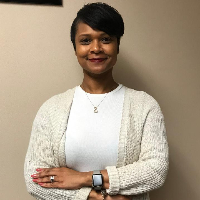





Chinnika Crisler
LCSW
Mississippi - 13 yrs exp






How family of origin issues therapy works for Mississippi residents
If you grew up in an environment where patterns of relating, communication, or expectations caused ongoing distress, a therapist who specializes in family of origin issues can help you explore those roots. Therapy typically begins with an assessment of your personal history and the recurring themes that affect your relationships and sense of self. You and your clinician will identify goals - such as improving boundaries, increasing emotional awareness, or changing repetitive behaviors - and develop an individualized plan to move toward those goals. Many therapists use a mix of talk therapy, experiential techniques, and skills training to help you recognize patterns and practice different ways of relating in everyday life.
In Mississippi, therapists often tailor their approach to your cultural context and community values. Whether you live in a larger center like Jackson or in a smaller coastal or rural community, a therapist can help you translate insights from sessions into practical steps for family interactions, parenting, and intimate partnerships.
Finding specialized help for family of origin issues in Mississippi
When you begin your search you will want to look for clinicians who explicitly list family of origin issues, generational patterns, or family dynamics among their specialties. Many therapists note training in attachment theory, trauma-informed care, or systems work, which can be particularly relevant. You may also consider clinicians who mention experience with adult children of dysfunctional families, boundary work, or intergenerational trauma. Pay attention to therapists who describe an approach that matches your preferences - for example, a more insight-oriented model if you want to explore deeper patterns, or a skills-based model if you prefer structured tools for communication and boundary setting.
Availability varies across the state. Cities like Jackson, Gulfport, Hattiesburg, and Biloxi tend to have larger provider networks and a wider range of modalities, while smaller towns may have fewer specialized listings but often offer experienced clinicians who work across multiple relational issues. If travel or scheduling is a concern, note which therapists offer flexible appointment times or video sessions to accommodate work, family, or travel schedules.
Questions to guide your search
As you review profiles, consider whether the therapist describes working with clients who experienced childhood neglect, inconsistent caregivers, role reversals, or enmeshment. Look for language about helping clients develop healthier boundaries, manage difficult family interactions, and rebuild a sense of identity apart from familial expectations. You might also reach out and ask about the therapist's experience with the particular dynamics you face, such as sibling rivalry that continues into adulthood, caregiving roles that reversed in childhood, or families shaped by cultural or religious norms common in Mississippi communities.
What to expect from online therapy for family of origin issues
Online therapy can expand your access to specialized clinicians, especially if you live outside major cities. In virtual sessions you can work through family histories, practice new communication skills, and receive real-time feedback in a familiar environment. Many people find it helpful to have sessions at home between family interactions or after an event that brought up difficult feelings. Your therapist may use video to observe your nonverbal cues, phone calls for shorter check-ins, or worksheets and exercises sent electronically to reinforce skills between appointments.
When you choose online therapy, expect an initial intake to gather background information and establish safety planning, goals, and practical arrangements like appointment cadence. Therapists will typically discuss personal nature of sessions policies and how they handle emergencies, as well as any licensing considerations relevant to Mississippi residents. You should also confirm whether the clinician is licensed to provide care to people in Mississippi and whether they have experience adapting techniques to an online format.
Common signs that you might benefit from family of origin issues therapy
You might consider specialized therapy if you notice patterns that repeat across relationships, such as difficulty trusting partners, chronic people-pleasing, or a tendency to recreate dynamics from your family of origin. Other signs include intense reactions to family gatherings, difficulty setting boundaries with relatives, or recurring choices that leave you feeling unseen or controlled. If you struggle to separate your own values from what you were taught, or if caregiving roles from childhood continue to define your adult identity in ways that feel limiting, targeted therapy can help you untangle those threads and experiment with new ways of relating.
Sometimes the trigger is a specific event - an estrangement, the death of a parent, or becoming a parent yourself - that brings family patterns into sharper focus. Other times you may feel a persistent sense of unease or dissatisfaction that does not resolve despite changes in circumstances. In these cases, addressing family of origin issues helps you build different habits and healthier relationships over time.
Tips for choosing the right therapist for this specialty in Mississippi
First, prioritize fit. You should feel heard and respected by the clinician you choose. Consider the therapist's training and experience with family systems, attachment work, or trauma-related dynamics, and look for descriptions of therapeutic philosophy that resonate with you. It is reasonable to contact a few therapists to ask about their approach to family of origin work and whether they have experience with cases similar to yours.
Second, consider logistics. Think about location if you prefer in-person sessions - proximity in Jackson or Gulfport may make scheduling easier - and check whether online sessions are available if you live outside those areas. Ask about session length, typical treatment timelines, and how progress is measured. Many therapists offer an initial consultation so you can get a sense of their style before committing to ongoing work.
Third, pay attention to practical compatibility. Some therapists incorporate homework or structured exercises, while others focus on open-ended exploration. Decide whether you want a directive approach that emphasizes skills and behavior change or a reflective approach that explores underlying meanings and identity. You may also want to know whether the clinician collaborates with other professionals, such as family mediators or pediatric specialists, depending on your family situation.
Making the first contact
When you reach out to a therapist, describe your main concerns and mention any preferences you have for therapy style or scheduling. It is helpful to ask about their experience with family of origin issues and whether they have worked with clients from Southern cultural backgrounds or communities similar to yours. A good initial conversation can clarify whether the therapist's style and availability match your needs, and it gives you a sense of whether you feel comfortable moving forward.
Putting therapy to work in your life
Effective work on family of origin issues often combines insight with practice. You will explore how early experiences shaped your beliefs and behaviors, and then practice new ways of communicating and setting limits in real life. Progress can be gradual and sometimes challenging, but many people report clearer relationships, stronger boundaries, and a greater sense of autonomy over time. Whether you live in an urban center like Jackson or a coastal community near Biloxi or Gulfport, you can find practitioners who understand the local context and who will help you translate therapeutic gains into everyday change.
As you review the therapist listings on this page, keep in mind that the right match is both a practical and relational decision. Take time to read profiles, ask questions, and trust your instincts about who feels like the best partner for the work ahead.