Find an Eating Disorders Therapist in Mississippi
This page highlights therapists in Mississippi who focus on eating disorders treatment. Browse local and online clinician profiles below to compare approaches, availability, and areas of focus.










Chinnika Crisler
LCSW
Mississippi - 13 yrs exp



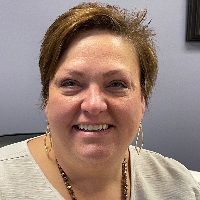

LaKeshia Fisher
LPC
Mississippi - 12 yrs exp





How eating disorders therapy works for Mississippi residents
If you are seeking help for an eating disorder in Mississippi, therapy typically begins with an in-depth assessment to understand your history, current symptoms, medical needs, and treatment goals. That assessment may be completed by a licensed mental health clinician, sometimes in collaboration with a medical provider or registered dietitian, so that treatment is responsive to both psychological and physical considerations. After the assessment, you and your therapist will develop a treatment plan that may include individual therapy, family involvement, nutritional guidance, and coordination with other providers if needed. Many clinicians focus on building coping skills, improving relationship with food and body, and addressing underlying emotional or behavioral patterns that contribute to disordered eating.
Getting started where you live
Whether you live in the capital region near Jackson, along the Gulf Coast in Gulfport or Biloxi, or in a smaller community such as Hattiesburg, you can find therapists who work with eating disorders. Urban centers often offer a range of specialized programs and multidisciplinary teams, while therapists in smaller towns may provide focused expertise and the advantage of longer appointment windows. If you are balancing work, school, or family commitments, you can choose providers who offer flexible hours or hybrid models that combine in-person sessions with remote appointments.
Finding specialized help for eating disorders in Mississippi
When you start searching for a specialist, look for clinicians who list eating disorders as a focus and who describe relevant training and experience. Credentials to consider include licensure in counseling, social work, marriage and family therapy, or psychology, as well as additional training in evidence-informed approaches for eating disorders. Many clinicians will note work with adolescents, young adults, or adult populations, and some will highlight experience with co-occurring concerns such as anxiety, depression, or trauma.
Local resources and collaboration
In Mississippi, specialized help may be available through outpatient clinics, private practices, college counseling centers, and community mental health providers. You may find multidisciplinary teams in larger hospitals or specialty centers in Jackson and along the coast. Therapists frequently collaborate with primary care providers and registered dietitians to ensure that treatment addresses nutrition, medical monitoring, and mental health together. If you are unsure whether a therapist is prepared to work with your specific needs, it is reasonable to ask about experience, approaches used, and how they coordinate care with medical professionals.
What to expect from online therapy for eating disorders
Online therapy has become a practical option for many people in Mississippi, especially if you live in a rural county or prefer sessions from home. When you choose remote care, your therapist will typically meet with you by video for regularly scheduled sessions that resemble in-person appointments. In online work you can expect discussion, skill-building assignments, and collaborative planning, along with tools for tracking behaviors and moods between sessions. Some clinicians also use text-based messaging for scheduling and brief check-ins, while others combine virtual sessions with occasional in-person visits for medical or assessment needs.
It is important to confirm that any online clinician is licensed to practice in Mississippi or is legally permitted to provide care across state lines, depending on where you are located when you receive services. You should also ask how they handle emergencies, medical coordination, and referrals for in-person evaluation if needed. Online therapy can broaden your options and connect you with clinicians who specialize in eating disorders even if those specialists are not based in your town.
Common signs someone in Mississippi might benefit from eating disorders therapy
If you have concerns about yourself or someone you care about, there are behavioral and emotional signals that often indicate a need to seek professional help. Noticeable changes in eating patterns, persistent preoccupation with weight or shape, dramatic weight loss or gain, and rituals around food that cause distress are all reasons to consult a clinician. Anxiety around social meals, avoidance of certain situations because of eating concerns, and declining mood or energy can also suggest that specialized support would be helpful. For parents and caregivers in Mississippi, changes in school performance, withdrawal from activities, or increased irritability in an adolescent may be prompts to reach out for evaluation.
While many communities in Mississippi have limited specialty services, early intervention can prevent difficulties from worsening. If symptoms are affecting daily functioning, relationships, or medical health, reaching out to a mental health professional or primary care provider is a practical next step. They can guide you to appropriate levels of care, whether that is outpatient therapy, nutritional counseling, or more intensive supports when they are indicated.
Tips for choosing the right therapist for this specialty in Mississippi
Choosing a therapist is a personal decision and takes some exploration. Start by identifying what matters most to you - whether it is a clinician with specific training in eating disorders, someone who works well with your age group, experience with certain therapy modalities, or logistical factors like location and availability. If you live near Jackson, Gulfport, Biloxi or Hattiesburg you may have more options to meet in person, but online providers can widen the field if you prefer a particular approach.
When you contact a therapist, ask about their experience treating eating disorders, the typical length and structure of treatment, and how they measure progress. It is reasonable to inquire about collaboration with dietitians and medical providers, and about how they handle crisis planning. Bring questions about insurance, sliding scale options, and session frequency so you can weigh clinical fit alongside practical considerations. Trust your impression of the clinician’s communication style and whether you feel you could work with them over time.
Special considerations for families and adolescents
If you are caring for a teen or child in Mississippi, family involvement is often a key piece of effective treatment. Some approaches emphasize parent-led meal support and coaching, while others balance individual therapy with family sessions. Look for clinicians who explain how they involve parents or caregivers, how they work with schools when appropriate, and how they support transitions in care as young people age.
Making the process more manageable
You do not have to navigate this process alone. Many therapists offer brief phone consultations to help you determine fit before committing to a full intake. Prepare for initial appointments by noting patterns or behaviors that concern you, any medical visits or changes, and what goals you hope to achieve in therapy. If cost or access is a barrier, ask about sliding scale rates, community programs, or university training clinics that may offer reduced fees. For residents along the coast or in rural counties, consider combining local medical check-ins with virtual psychotherapy to get comprehensive care.
Finding the right therapist in Mississippi may take a few conversations, but the effort can help you connect with a clinician who understands eating disorders and who will work with you toward clear, realistic goals. Use the listings on this page to compare clinicians, reach out to those who seem like a match, and take the next step when you feel ready.