Find a Domestic Violence Therapist in Mississippi
Explore therapists across Mississippi who specialize in domestic violence support and recovery. Use the listings below to compare clinicians by location, approach, and availability and begin reaching out when you are ready.



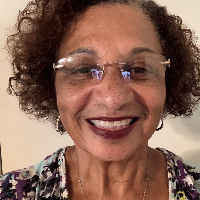
Phyllis Houston
LPC
Mississippi - 26 yrs exp








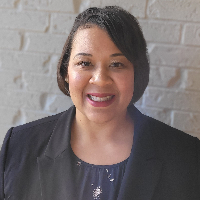

Chinnika Crisler
LCSW
Mississippi - 13 yrs exp




LaKeshia Fisher
LPC
Mississippi - 12 yrs exp






How domestic violence therapy works for Mississippi residents
Domestic violence therapy in Mississippi focuses on your safety, emotional recovery, and building practical skills that help you move forward. Therapy can address the immediate impacts of abuse - such as fear, anxiety, and trauma symptoms - while also helping you create a plan for ongoing well-being. Sessions typically begin with an assessment of your current circumstances, your support network, and any safety concerns that need attention. From there, a therapist and you work together to set goals that reflect your priorities, whether that means managing stress reactions, coping with grief, developing boundaries, or planning life changes.
Therapists who specialize in domestic violence often blend trauma-informed approaches with practical interventions aimed at daily life. They aim to validate what you've experienced, normalize common responses to abuse, and teach strategies to manage triggers and intense emotions. Over time, therapy can help you regain a sense of control and clarity about your choices. If you live in a rural part of Mississippi, such as in counties outside the major cities, your therapist may also coordinate with local advocates or community agencies to connect you to additional resources.
Finding specialized help for domestic violence in Mississippi
When you search for a therapist in Mississippi who focuses on domestic violence, look for clinicians who list trauma, intimate partner violence, or family violence among their specialties. Many therapists have additional training in evidence-informed methods such as trauma-focused cognitive behavioral therapy, cognitive processing therapy, or other trauma-sensitive modalities. You can find options in larger centers like Jackson or Gulfport where a wider range of specialties tends to be available, and in regional hubs such as Hattiesburg where clinicians may combine therapy with strong ties to local support organizations.
Accessibility can vary across the state. Urban and coastal areas typically offer more therapists and varied hours, while smaller towns may have fewer clinicians but often have community organizations that provide complementary support. If transportation or scheduling is a concern, consider therapists who offer flexible appointment times or hybrid care models. You may also want to inquire whether a therapist collaborates with local domestic violence programs, legal advocates, or shelters - coordinated care can make it easier to address the practical and legal aspects that sometimes accompany leaving an abusive situation.
What to expect from online therapy for domestic violence
Online therapy has expanded options for people in Mississippi, particularly for those who live outside major cities or who need more discreet access to support. With remote sessions, you can see a therapist without traveling to Jackson, Gulfport, or Hattiesburg, which can reduce barriers related to time, childcare, or limited local availability. Online therapy sessions often follow the same structure as in-person work - assessment, goal-setting, skill-building, and review - but rely on secure video or phone connections and some adapted techniques for remote care.
Before beginning online therapy, you and your therapist should discuss how to keep sessions uninterrupted and safe. This includes agreeing on a backup plan if a session is cut off, identifying a private place where you can talk, and setting boundaries about contact between sessions. Many therapists will also provide worksheets and exercises you can use between appointments to reinforce what you learn. Online therapy may feel more convenient, and for many people it offers a comfortable setting to begin the work of recovery from abuse. If you plan to use remote sessions while in a situation where privacy is limited, talk with your therapist about strategies to protect your wellbeing during calls and about resources in your local community.
Common signs that someone in Mississippi might benefit from domestic violence therapy
You might consider seeking domestic violence therapy if you notice persistent fear of a partner, repeated threats, or controlling behaviors that affect your daily decisions. Emotional signs include ongoing anxiety, depression, difficulty concentrating, or frequent panic. Physical signs may show up as unexplained injuries, chronic pain, or changes in sleep and appetite. You may also recognize patterns such as repeated relationship instability, social withdrawal, or avoidance of family and community activities that used to matter to you.
Beyond these signs, there are often practical stressors that indicate a need for help - trouble with work or school, conflict over finances, or escalating arguments that leave you feeling unsafe. If you are unsure whether therapy is right, a single consultation can help you assess immediate needs and identify steps to protect yourself and your children if applicable. In Mississippi communities, whether you live near an urban area or a rural county, reaching out for an initial conversation can connect you to resources you did not know were available.
Tips for choosing the right therapist for this specialty in Mississippi
Choosing a therapist who fits your needs involves both practical and personal factors. Consider the therapist's experience with domestic violence and trauma and their approach to safety planning and crisis response. Ask whether they have worked with people in similar circumstances and whether they offer collaboration with local advocates or courts if you need that support. Practical matters such as location, hours, cost, and whether they offer online sessions will shape what you can realistically attend.
Personal fit matters too. In an initial conversation you should get a sense of whether the therapist listens without judgment, respects your choices, and helps you outline clear next steps. It is appropriate to ask about how they handle personal nature of sessions and recordkeeping, the types of interventions they use, and how they will involve you in treatment planning. If you live near Jackson, Gulfport, or Hattiesburg, you may have the option to meet in person after starting remotely, which can help you evaluate comfort and rapport.
Trust your judgment about how the first few sessions feel. If a therapist's style does not match what you need, it is reasonable to look for someone else. Your safety and sense of being heard should guide that decision. Therapists who specialize in domestic violence know that leaving or changing a relationship can be complicated, and they typically support your timeline rather than urging a single path.
Next steps and local considerations
If you decide to seek help, start with an introductory call to assess availability and approach. If immediate danger is present, contact emergency services or local domestic violence hotlines for urgent assistance and a plan tailored to your situation. For non-urgent help, look for clinicians who describe trauma-informed practice and who are familiar with Mississippi resources. In larger cities like Jackson and Gulfport you may find clinics that provide a range of services, while in towns such as Hattiesburg therapists often work closely with regional agencies to fill gaps in services.
Recovery from domestic violence is a process that often blends emotional healing with practical planning. Therapy can help you reclaim a sense of stability, identify safe options, and build tools to manage stress and relationships on your terms. Use the listings on this page to reach out, compare options, and begin a path that meets your needs in Mississippi.