Find an Aging and Geriatric Issues Therapist in Mississippi
This page lists therapists who focus on aging and geriatric issues across Mississippi. Browse profiles to find clinicians who work with older adults and families in the state.
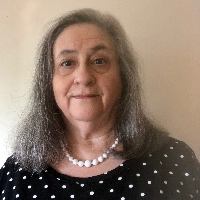


Phyllis Houston
LPC
Mississippi - 26 yrs exp

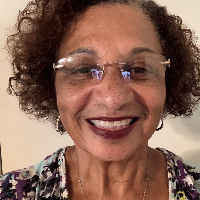








Chinnika Crisler
LCSW
Mississippi - 13 yrs exp











How aging and geriatric issues therapy works for Mississippi residents
Therapy that focuses on aging and geriatric issues is tailored to the needs you or a loved one may face as life changes. In Mississippi, therapists combine psychological approaches with an understanding of age-related transitions to address emotional adjustment, grief, cognitive changes, caregiver stress, and end-of-life concerns. Sessions may focus on coping strategies, enhancing daily functioning, preserving dignity, and connecting with community services. Therapists often work with families, medical providers, and local support systems to help you navigate decisions about care, housing, and long-term planning.
Formats and accessibility
You can expect a mix of in-person and teletherapy options throughout the state. Urban centers like Jackson and Gulfport typically have a wider range of in-office specialists, while teletherapy expands access for people living in rural counties or for those who have mobility or transportation challenges. Some clinicians also offer home visits or coordinate with home health providers when needed. The first few sessions are usually assessment-focused so the therapist can learn about health history, social supports, daily routines, and your goals for therapy.
Finding specialized help for aging and geriatric issues in Mississippi
Finding someone who understands the nuances of aging means looking for clinicians with experience working with older adults and their families. Search for therapists who list geriatric counseling, late-life depression, dementia care, caregiver support, or palliative counseling among their specialties. You may also look for training in neurocognitive assessment, geropsychology, or related certifications that indicate additional expertise. Local resources such as senior centers, hospital referral services, and community mental health clinics in Jackson, Gulfport, and Hattiesburg can point you to clinicians who are familiar with the specific challenges in your community.
Using local networks and referrals
Referrals from your primary care provider, geriatrician, or social worker can help you find a therapist who collaborates well with medical teams. If you are part of a faith community, a local caregiver support group, or an assisted living community, those networks often have recommendations for clinicians who have worked with older residents. When you contact a therapist, ask about their experience with cases similar to yours and whether they are comfortable coordinating with other professionals involved in care.
What to expect from online therapy for aging and geriatric issues
Online therapy offers flexibility when travel is difficult or when you need frequent check-ins. For many older adults, teletherapy can reduce the stress of transportation and allow family members to join sessions from different locations. Expect the therapist to conduct an initial intake over video or phone, review medical and medication history, and discuss how technology will be used. They will outline how privacy is handled, what to do in an emergency, and how to connect for follow-up sessions. Some clinicians incorporate cognitive screenings and activity planning into virtual sessions, while others focus on mood, grief, or caregiver support.
Practical considerations for virtual care
Before starting online sessions, make sure your device has a camera and microphone and that you have a quiet, comfortable environment for the appointment. If you have hearing or vision needs, discuss accommodations with the clinician so they can adjust their approach. Family members or caregivers can be invited to participate in sessions to help with communication, follow-through, and planning. In some cases, therapists will recommend a mix of in-person visits and teletherapy to balance assessment needs with convenience.
Common signs that someone in Mississippi might benefit from geriatric therapy
If you notice persistent changes in mood, daily functioning, or behavior in an older relative, those can be signals that professional support would help. Signs include prolonged sadness, increased isolation, confusion that affects daily tasks, sudden withdrawal from longtime hobbies, significant weight loss or changes in appetite, trouble sleeping, or increasing difficulty managing medications and appointments. Caregivers who feel overwhelmed, resentful, or exhausted may also benefit from therapeutic support to develop coping strategies and to prevent burnout. Therapy can be helpful when transitions such as retirement, relocation, bereavement, or a new medical diagnosis create stress that interferes with quality of life.
When to seek help sooner
Seek help promptly if you notice rapid cognitive decline, safety concerns, or signs of depression that interfere with everyday living. Early intervention can help maximize functioning and connect you with resources such as in-home supports, adult day programs, or community services. Therapists in Mississippi can help you assess risks and plan next steps while respecting your preferences and those of your loved ones.
Tips for choosing the right therapist for aging and geriatric issues
Choosing the right therapist involves both practical and interpersonal factors. Start by considering credentials and experience with older adult populations. Ask about the clinician's experience with conditions that are relevant to you, such as dementia-related behavior challenges, late-life depression, or caregiver stress. Inquire about their approach to involving family members and how they coordinate care with medical providers. Practicalities matter too - check whether the therapist accepts your insurance or offers a sliding scale, what their cancellation and emergency policies are, and whether they provide in-person visits or teletherapy. You should also trust your sense of rapport - therapy is more effective when you feel heard and respected.
Evaluating fit and continuity of care
When you speak with a prospective therapist, notice how they talk about goals, session structure, and outcomes. A good clinician will ask about your values and daily life and will offer a clear plan for working together, including short-term goals and regular reviews of progress. If you need long-term coordination with medical teams, ask how the therapist documents care and communicates with other providers. It is reasonable to try a few sessions to evaluate fit; if the match is not right, a therapist should be willing to recommend colleagues who might be a better fit for your needs.
Local considerations across Mississippi
Living in Mississippi shapes the resources and supports available to you. Cities like Jackson, Gulfport, and Hattiesburg have hospitals, clinics, and community programs that can complement therapeutic care, while rural counties may rely more on teletherapy and visiting professionals. Transportation, availability of specialized geriatric services, and proximity to family all influence practical planning. When choosing a therapist, consider how well they know the local service landscape and whether they can help you connect with meal delivery programs, home health aides, legal planning resources, or eldercare advocates.
Moving forward with confidence
Reaching out for aging and geriatric issues therapy is a step toward better support for you or someone you care for. Whether you live near a major center or in a quieter part of the state, you have options for finding clinicians who understand older adulthood and the transitions it brings. Use the listings on this page to review profiles, read about specialties, and contact therapists to determine who aligns with your needs. Effective therapy is collaborative - you and your clinician will work together to set goals, build skills, and connect with the broader network of care that supports well-being in later life.