Find a Veterans Therapist in Minnesota
Explore therapists who focus on veterans' needs across Minnesota, including Minneapolis, Saint Paul, Rochester and other communities. Use the listings below to compare clinicians, read specialties, and reach out to schedule a visit.



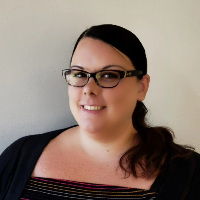
Crystal Hackett
LMFT
Minnesota - 16 yrs exp











How veterans therapy works for Minnesota residents
If you are a veteran or supporting someone who served, therapy tailored for veterans is oriented around the unique transitions and stressors that can follow military experience. In Minnesota, veterans therapy commonly blends evidence-informed approaches with an awareness of military culture, family dynamics, and the ways service can shape identity. You will find therapists who have training in trauma-informed care, grief work, relationship support, and reintegration challenges. Sessions may focus on building coping skills, processing difficult experiences, navigating life changes after service, and strengthening connections with family and community.
Therapists in Minnesota often work with you to set clear goals at the start of care. That might mean reducing intrusive symptoms, improving sleep and daily routines, managing anger or anxiety, or developing new habits that support long-term wellbeing. Some clinicians integrate partners and family members when appropriate, because reintegration rarely happens in isolation. In urban centers like Minneapolis and Saint Paul you may find clinicians with experience working directly with VA programs and community veteran organizations, while providers in Rochester, Duluth, and Bloomington may offer a blend of local knowledge and regional resources.
Finding specialized help for veterans in Minnesota
When you begin looking for a therapist, consider the types of experience and training that matter most to you. Many therapists list specialties such as trauma-focused therapies, cognitive-behavioral methods, or therapies that address moral injury. You can also look for clinicians who describe working with active duty, National Guard, or reserve members, since those populations can have distinct needs. Location matters when you want in-person sessions - if you live near Minneapolis or Saint Paul you will have access to a larger pool of clinicians, while communities like Rochester and Duluth may offer more locally focused practitioners who understand regional services and supports.
Licensing and professional credentials are important indicators of training and oversight. In Minnesota, licensed clinicians include psychologists, licensed professional clinical counselors, licensed independent clinical social workers, and marriage and family therapists. You should feel free to ask about specific training such as prolonged exposure therapy, cognitive processing therapy, acceptance and commitment therapy, or other approaches that have evidence for treating trauma and stress-related difficulties. Many therapists will describe their approach in plain language so you can choose someone whose style resonates with you.
What to expect from online therapy for veterans
Online therapy has become a practical option for many veterans across Minnesota, particularly if you live outside major metro areas or have mobility or scheduling constraints. When you choose remote sessions you can connect from home, work, or another comfortable environment, and this flexibility makes continuity of care easier when life gets busy. Platforms and clinicians vary in how they manage technology, so expect an initial conversation about how sessions will run - whether through video, phone, or a mix of both - and what to do if a technical issue arises.
Therapists offering remote care will typically discuss privacy practices and how they handle records, communications, and emergency planning for your area. They will also help you identify a safe setting for sessions and may provide guidance if you need additional local supports. Online care can be as effective as in-person therapy when you and your therapist establish a strong working relationship, set goals, and maintain regular appointments. If you travel frequently or split time between cities like Minneapolis and Rochester, remote sessions can help maintain momentum in your care.
Common signs someone in Minnesota might benefit from veterans therapy
You might consider seeking veterans therapy if you notice persistent changes in mood, sleep, or daily functioning that are linked to military experiences. Symptoms can include recurring distressing memories or flashbacks, avoidance of reminders of service, ongoing hypervigilance, irritability, or difficulty trusting others. Struggles with relationships, difficulties with work or school, or feeling disconnected from family and community are also common reasons veterans reach out for help. In some cases changes are gradual and you may first notice increased alcohol use, trouble sleeping, or a sense of numbness that is interfering with things you used to care about.
Family members and friends in Minnesota often play a key role in encouraging someone to seek help. If you are concerned about a loved one who served, look for changes in behavior, sudden withdrawals from social activities, or signs of increased risk-taking. Seeking therapy does not mean that something is wrong with you as a person - it is a practical step people take to regain balance and rebuild meaningful connections after difficult experiences.
Tips for choosing the right therapist for this specialty in Minnesota
Start by clarifying what you want from therapy. Do you prefer a clinician with military experience, a specific training in trauma therapies, or someone who focuses on relationships or career transitions? Once you have priorities, read therapist profiles to learn about their approach, training, and the populations they serve. Pay attention to how a therapist describes collaboration - good clinicians invite questions, discuss timelines, and explain what you might expect in the first few sessions.
Location and logistics matter, especially if you prefer in-person meetings. If you live near Minneapolis or Saint Paul you will typically have more options for evening and weekend appointments. If you are in Rochester, Duluth, Bloomington, or a smaller town, consider whether remote sessions are acceptable and whether the therapist has experience working with clients across Minnesota. You can also ask about availability for family or couples sessions if reintegration is affecting those relationships.
Trust your sense of fit. Therapy is a relationship, and feeling heard and respected in early conversations is a good sign. If something feels off, it is acceptable to try a few sessions and then look for someone else. Many therapists welcome a brief introductory call so you can ask about their approach, experience with veterans, payment options, and whether they coordinate care with other providers. Financial considerations and insurance are practical details to cover up front so there are no surprises. Some clinicians offer sliding scale fees or can help you understand how to use benefits in your area.
Local resources and next steps
There are community organizations, support groups, and veteran-focused services throughout Minnesota that can complement therapy. Whether you live in a larger metro area like Minneapolis or a smaller city such as Rochester or Duluth, community-based programs can help with employment, housing, or peer support. Your therapist can often help you connect with these networks and coordinate care when needed.
When you are ready to begin, use the listings above to compare clinicians, read detailed profiles, and reach out with questions. An initial conversation can help you assess fit and decide whether to schedule a first session. Taking that step is a way to prioritize your health and build a plan that supports your goals after service. Whether you prefer in-person meetings near Saint Paul or teletherapy that fits a busy schedule, there are options to help you move forward with greater clarity and support.
Finding the right match
Finding the right therapist can change how you relate to your past and how you plan for the future. Take the time to find a clinician with the training, approach, and availability that suit your needs. If you are searching from Minneapolis, Saint Paul, Rochester, Duluth, Bloomington, or anywhere in Minnesota, use the directory to explore profiles and take the next step toward care that honors your service and supports your life beyond it.