Find a Sexual Trauma Therapist in Minnesota
This page lists therapists in Minnesota who specialize in sexual trauma treatment, including practitioners in Minneapolis, Saint Paul and Rochester. Browse the listings below to compare approaches, credentials and availability across the state.






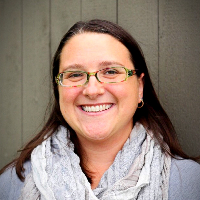




Crystal Hackett
LMFT
Minnesota - 16 yrs exp













How sexual trauma therapy works for Minnesota residents
When you begin sexual trauma therapy in Minnesota, the process typically starts with an intake conversation to understand your history, current concerns and goals. Therapists trained in trauma will use evidence-informed methods and adjust the pace to match what you find manageable. Sessions may include discussion of emotions and memories, learning grounding and emotion-regulation skills, processing traumatic memories when you are ready, and developing strategies to reclaim a sense of safety and agency in daily life. In Minnesota, clinicians often combine individual therapy with referrals to community resources when additional support is helpful.
Your relationship with a therapist matters as much as any particular method. A skilled clinician will prioritize collaboration, clarifying what each approach involves and checking in with you about how things are going. If cultural background, religion, gender identity or life stage are important to you, seek a clinician who demonstrates awareness of and respect for those aspects of your experience. Therapists in Minnesota are licensed through state boards and many pursue additional training in trauma-specific models to better serve survivors.
Finding specialized help for sexual trauma in Minnesota
Finding a therapist who specializes in sexual trauma means looking for clinicians who list trauma, sexual assault recovery, or related specialties on their profiles. You can refine your search by considering credentials, years of experience, and any trauma-focused certifications. It can be helpful to read therapist bios for information about their therapeutic approaches, such as trauma-focused cognitive behavioral therapy, eye movement methods, somatic work, or narrative-based approaches. In Minnesota, larger urban centers such as Minneapolis and Saint Paul tend to offer a wider range of specialties and modalities, while smaller cities and rural areas may require a search for clinicians who provide teletherapy across the state.
Beyond credentials, look for therapists who describe a trauma-informed way of working. That often means attention to pacing, consent, bodily safety and choice. You may also want to know whether the therapist works with survivors of recent events, historical abuse, or both. Some practitioners specialize in supporting particular populations such as LGBTQ+ survivors, survivors of military sexual trauma, or people who experienced childhood sexual abuse. Taking time to match those focal areas to your needs can shorten the path to feeling understood and supported.
What to expect from online therapy for sexual trauma
Online therapy has become a common option for many Minnesotans and can be particularly useful when local specialty services are limited. If you choose online therapy, expect an initial video or phone session to cover intake, consent, and practical details like scheduling and payment. Therapists will discuss how to handle moments of distress during sessions and help you create a plan for safety and regulation at home. Good online providers will ask about your physical environment and connectivity, and help you set boundaries for session times and follow-up.
Online sessions allow you to access clinicians in major hubs like Minneapolis, Saint Paul and Rochester even if you live in outlying areas. This broadened access can be a major advantage for finding a therapist who matches your needs and identity. Keep in mind that some therapeutic techniques may be adapted for online use rather than replaced, and your therapist will explain how they will approach any trauma processing work via video or phone. If you prefer in-person sessions, you can search for clinicians who offer both options and ask what precautions they take for a calm and supportive office experience.
Common signs you might benefit from sexual trauma therapy
There is no single way that trauma shows up, and people respond differently depending on their history and current circumstances. You might consider seeking therapy if you notice persistent anxiety or panic that is linked to reminders of an event, intrusive memories or flashbacks, nightmares, difficulty sleeping, or changes in appetite. You may find yourself avoiding places, people or topics that feel triggering, or struggling with trust and intimacy in relationships. Emotional numbing, persistent guilt or shame, and sudden shifts in mood are also reasons to explore trauma-focused support.
If symptoms interfere with your work, schooling, or daily responsibilities, therapy can offer tools to manage distress and improve functioning. You do not need to be in crisis to seek help. Many people find that beginning therapy early, even when symptoms feel manageable, reduces longer-term distress. In Minnesota, local community centers, campus health services and mental health clinics often have referral pathways for sexual trauma support if you prefer to begin with a local resource.
Tips for choosing the right sexual trauma therapist in Minnesota
Start by clarifying what matters most to you in therapy - that might include a therapist's gender, experience with a certain trauma model, cultural competence, availability for in-person sessions in Minneapolis or Saint Paul, or flexibility for evenings and weekends. Read profiles carefully to learn about a clinician's approach, any specialty training and populations they commonly work with. When you contact a therapist for a consultation, use that conversation to ask practical questions about session structure, expected length of treatment, and how they handle moments of intense emotion during sessions. A brief phone or video consultation can also give you a sense of rapport and communication style.
Consider logistics such as insurance coverage or sliding-scale options if cost is a concern. If you live outside major metro areas, ask whether the therapist accepts clients across Minnesota via teletherapy. You may also want to inquire about collaboration with medical providers, legal advocates or support groups - particularly if you are navigating a concurrent legal or medical process. Most importantly, trust your judgment about fit. It is normal to try a few therapists before finding the one who feels right for you.
Working with local resources and community supports
Therapy does not have to happen in isolation. In Minnesota, there are community-based organizations, advocacy groups, and crisis hotlines that provide complementary services such as advocacy, medical accompaniment, or support groups. Your therapist can help connect you to these resources when appropriate, making sure you do not have to manage recovery alone. In cities like Rochester and Duluth, hospital-affiliated programs and university counseling centers may also offer trauma-focused services, while in Bloomington and other suburbs you may find clinicians who specialize in family-centered or youth-focused care.
Taking the next step
Deciding to seek sexual trauma therapy is a personal choice and an act of self-care. You can begin by browsing therapist profiles to compare approaches and availability, scheduling a short consultation to ask questions, and noting how comfortable you feel with a therapist during that first contact. Whether you live in the Twin Cities or a smaller Minnesota community, there are clinicians who focus on helping survivors build resilience, reduce distress and reclaim agency. Reach out when you are ready, take your time to evaluate fit, and remember that progress often happens gradually with consistent support.
If you need immediate assistance or are in crisis, contact local emergency services or a crisis hotline for prompt help. Otherwise, use the listings above to explore therapists in Minneapolis, Saint Paul, Rochester and beyond to find a clinician who aligns with your needs and values. You deserve care that feels respectful, thoughtful and responsive to your experience.