Find a Personality Disorders Therapist in Minnesota
This directory page lists clinicians across Minnesota who focus on personality disorders, with profiles that note approach, credentials, and appointment options. Browse the therapist listings below to compare specialties, locations, and availability and start the search for a good fit.




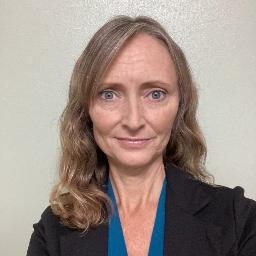
Crystal Hackett
LMFT
Minnesota - 16 yrs exp











How personality disorders therapy works for Minnesota residents
When you begin therapy for personality-related difficulties in Minnesota, the first step is usually an assessment to understand patterns that cause distress or interfere with daily life. That intake often includes questions about relationships, emotional responses, life history, and current functioning. From there, you and a clinician typically develop a shared plan that names goals - for example, improving relationship stability, reducing intense mood swings, or learning new ways to manage impulsive behavior - and outlines steps to reach them.
Treatment approaches that clinicians offer can vary depending on training and specialization. Some therapists emphasize skill-based work that teaches emotion regulation, distress tolerance, and interpersonal effectiveness. Others focus on understanding long-standing patterns and how early experiences shape current ways of thinking and relating. You may find a blended approach that mixes skills training with deeper exploration of relational patterns. In Minnesota, therapists work in outpatient clinics, community mental health settings, university training clinics, and private practices, and many collaborate with psychiatrists or primary care providers if medication or additional medical oversight is appropriate.
Finding specialized help for personality disorders in Minnesota
Finding a clinician experienced in personality disorders means looking beyond general counseling listings. You might start by reviewing therapist profiles for specific training in approaches commonly used with these concerns, such as dialectical approaches, schema-focused work, or mentalization-based methods. Pay attention to descriptions that mention work with relationship patterns, emotional regulation, or long-term personality-related difficulties. Many therapists list populations they work with, such as adults, young adults, or people in transition, which can help you find someone whose experience aligns with your needs.
Geography matters when you prefer in-person visits. Larger metro areas like Minneapolis and Saint Paul offer a wider pool of specialists and often more options for different modalities and times. Rochester and other regional centers also have clinicians with targeted expertise, and smaller communities may have fewer specialists but can still offer qualified support through community clinics or teletherapy options. If transportation, scheduling, or mobility are barriers, teletherapy expands access across the state so you can connect with clinicians who practice in other Minnesota cities without commuting.
What to expect from online therapy for personality disorders
Online therapy - often called teletherapy - allows you to attend sessions from a personal setting rather than traveling to an office. For many people, this format increases consistency because it reduces commute time and offers more flexible scheduling. In online sessions you can expect the same core elements as in-person therapy: assessment, goal setting, skill-building, and therapeutic conversation. Therapists typically adapt exercises and homework so they work well over video or phone, and they will discuss how to handle emergencies or intense moments between sessions.
When choosing online care, check whether a clinician offers video, phone, or a combination of formats. Video sessions allow for more nonverbal communication, while phone sessions can sometimes feel more accessible or less exposing. Make sure to ask how they manage scheduling, cancellations, and follow-up between sessions. If you live in a different county from the therapist, confirm that they are licensed to practice in Minnesota so that you are covered under local professional standards and regulations.
Common signs that someone in Minnesota might benefit from personality disorders therapy
You may benefit from specialized therapy if you notice persistent patterns that make relationships, work, or daily routines harder than they need to be. Examples include repeated intense conflicts with loved ones, feelings of emptiness or uncertainty about who you are, sudden shifts in mood or self-image, or recurring cycles of impulsive actions that lead to regret. Other signs include difficulty trusting others, chronic fear of abandonment or rejection, patterns of idealizing and then devaluing people, or behaviors that create repeated crises.
These patterns can show up differently depending on age, culture, and life circumstances. If relationships in Minneapolis, Saint Paul, Rochester, or elsewhere in Minnesota feel especially volatile or draining, or if you find yourself stuck in the same painful cycles despite wanting change, therapy that focuses on personality patterns may help you develop clearer self-understanding and new ways of relating that reduce suffering over time.
Tips for choosing the right therapist for this specialty in Minnesota
Start by considering practical details that make ongoing therapy realistic for you. Think about whether you prefer in-person sessions near where you live or work - perhaps in a neighborhood of Minneapolis or a clinic in Rochester - or whether teletherapy is essential for your schedule. Check whether the therapist offers appointment times that fit your routine and whether they accept your insurance or provide a sliding scale to help manage cost.
Equally important are questions about a therapist's clinical approach and experience. When you contact a clinician, ask about their training with complex personality concerns, how they structure treatment, and what they expect from clients. It is reasonable to ask how they handle intense emotional crises and what supports are available outside scheduled sessions. You can also inquire about how progress is measured and how long they typically work with clients on these issues. A thoughtful answer will help you understand whether their style matches your expectations.
Trust your response to an initial conversation or consultation. Feeling heard, respected, and understood during that early contact is a useful indicator of whether the therapeutic relationship can be effective for you. If the first match does not feel right, it is okay to keep looking - therapeutic fit matters and can make a big difference in outcomes.
Local considerations and resources
Minnesota has a mix of urban and rural settings, and access can vary across regions. Residents of the Twin Cities will typically find a wider range of specialists and community programs, while people in outlying areas may benefit from teletherapy or regional clinics. University training programs and community mental health centers can be helpful options for people seeking experienced clinicians at lower cost. If you are looking for additional support, peer groups, skills-based workshops, and community mental health services in the Twin Cities or in cities like Rochester may provide complementary resources to individual therapy.
Making the most of therapy
Therapy for personality-related difficulties can be a longer-term process that asks for patience and practice. You can increase the benefit by being clear about your goals, keeping appointments as consistently as possible, and doing recommended practice between sessions. Communication about what is and is not working in therapy helps your clinician tailor the work. If you are juggling treatment with medication management, family responsibilities, or work, bring those practical concerns into sessions so the plan fits your life.
Finding the right therapist in Minnesota may take time, but persistent search is worthwhile. Whether you connect with a clinician in Minneapolis, Saint Paul, Rochester, or through teletherapy across the state, the right relationship can help you build new ways of relating, greater emotional balance, and more effective patterns for daily living.
Next steps
Use the listings above to compare profiles, read about clinicians' training and approaches, and note which clinicians offer in-person appointments in cities you prefer or teletherapy statewide. Reach out for a brief consultation to ask about experience, approach, and practical details. Taking that first step can open the door to meaningful change and steadier relationships in your life.