Find an Obsession Therapist in Minnesota
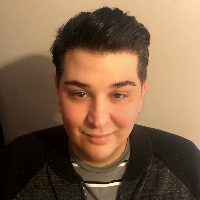
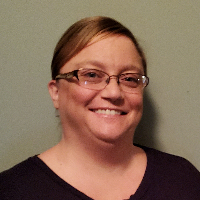
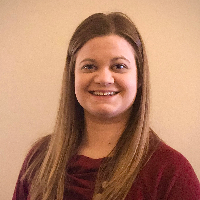
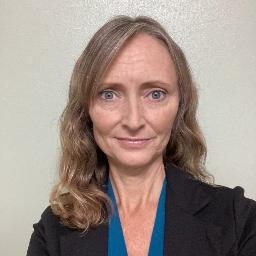
This page highlights therapists across Minnesota who work with obsession-related concerns, including intrusive thoughts and repetitive behaviors. Browse the listings below to compare specialties, locations, and contact options that match your needs.




















How obsession-focused therapy works for Minnesota residents
If you are exploring therapy for obsession-related difficulties, you will find that approaches focus on helping you understand patterns and develop practical strategies to reduce distress and interference in daily life. Many clinicians use evidence-informed methods that emphasize gradual exposure to feared thoughts or situations and the development of coping skills to reduce compulsive responses. Therapy tends to be collaborative - you and your clinician identify the problems that matter most and set achievable goals together.
In Minnesota, therapists may offer care in a variety of settings. You can meet with a clinician in an office in the Twin Cities, attend sessions at a community mental health center, or connect remotely from a smaller town. The state’s mix of urban and rural communities means you can look for someone who understands your local context - whether you live near Minneapolis, Saint Paul, or in the Rochester area - and who can help you navigate day-to-day challenges where you live and work.
Finding specialized help for obsession in Minnesota
When searching for a specialist, consider the clinician’s training, experience, and approach. Many professionals who work with obsession-related issues have experience with cognitive-behavioral strategies and exposure-based methods, and some pursue additional training in these techniques. You can often learn about a therapist’s background and areas of specialization from their profile or initial phone conversation. If access is limited in your immediate area, telehealth can expand options and connect you with clinicians across the state or beyond.
Think about practical factors as well. Location matters if you prefer in-person sessions - proximity to transit in Minneapolis or Saint Paul can affect commute times - while residents in Rochester or other regions may value availability during evenings or weekend hours. Community clinics, university training centers, and nonprofit organizations can also be good places to look for clinicians who focus on obsession-related concerns and who may offer flexible fee arrangements.
What to expect from online therapy for obsession
Online therapy has become a common option in Minnesota, and it offers a way to work with clinicians who may not be nearby. In a typical online session you will use video or phone to meet live with a clinician, and some therapists also offer asynchronous messaging for check-ins between appointments. Sessions generally follow a similar structure to in-person care - discussion of current challenges, review of progress, and practice of skills - but the virtual format can make it easier to fit therapy into a busy schedule or to access specialized providers who practice in major cities such as Minneapolis, Saint Paul, or Rochester.
Before starting, ask a prospective clinician how they manage things like scheduling, session length, and emergency contacts. It is also reasonable to discuss technology needs and what kind of environment works best for sessions. For your best experience, find a quiet, comfortable setting where you can speak freely and focus without interruptions. If an in-person option is preferred, many therapists maintain office hours in both urban and suburban locations across the state.
Common signs that you might benefit from obsession therapy
You might consider seeking help if recurring thoughts or repetitive behaviors are causing significant distress or taking up a lot of your time. For some people, obsession-related patterns interfere with work, school, relationships, or daily routines. You may notice that efforts to stop certain thoughts make them feel stronger, or that engaging in repetitive actions feels necessary to reduce immediate worry but leaves you feeling drained afterward. Avoiding situations that trigger intense thoughts or relying on rituals to feel safe are other signs that targeted support could be beneficial.
It is not necessary to wait until symptoms are severe to reach out. Early intervention can make it easier to develop new ways of responding to distressing thoughts and to prevent patterns from becoming more entrenched. If you are unsure whether therapy is right for you, an initial consultation with a clinician can clarify options and next steps.
Tips for choosing the right therapist in Minnesota
Choosing a therapist is a personal decision, and small practical details can matter as much as clinical expertise. Start by identifying what matters most to you - the therapist’s approach, cultural fit, availability, or insurance acceptance. Read profiles to get a sense of a clinician’s training and experience. It can help to contact a few therapists for a brief phone consultation to ask about their work with obsession-related concerns, how they structure sessions, and what a typical course of therapy looks like.
When you speak with a prospective clinician, ask about their experience with exposure-based and cognitive strategies, how they measure progress, and how they handle setbacks. Inquire about scheduling flexibility and whether they offer remote sessions if travel is difficult. If cost is a concern, ask about fee ranges, sliding scale options, or community programs in your area. Locating a clinician who feels respectful and communicative often makes a significant difference in how comfortable you feel engaging in therapy.
Consider local resources and supports
Your community can also be a source of support. In Minneapolis and Saint Paul there are training clinics and specialty providers with concentrated expertise, while Rochester offers connections to medical practices and specialty care. If you live outside larger metro areas, look for regional mental health centers or university-affiliated clinics that may provide specialized services. Peer support groups and educational workshops can complement individual therapy and help you learn from others facing similar challenges.
Preparing for your first few sessions
Before your first appointment, it can help to reflect on what you hope to accomplish in therapy and to note specific situations or thoughts that are most troubling. Bringing examples of how obsession patterns affect your daily life gives the clinician practical information to shape an initial plan. Expect the early sessions to involve assessment, goal-setting, and a discussion of techniques that may be tried. Therapists often provide homework between sessions - exercises to practice new responses or to slowly face feared thoughts - and progress tends to be gradual with regular practice.
If you have prior therapy experience, share what has been helpful and what has not. That context can speed up the process of finding approaches that fit you. If you are balancing work, family, or school responsibilities, discuss scheduling and pacing so your clinician can tailor recommendations to your life.
Next steps and taking action
Finding the right therapist for obsession-related concerns can feel daunting, but taking the first step is often the hardest part. Use the listings above to compare clinicians by location, specialties, and approach. Reach out to a few who look like a good fit and schedule a preliminary conversation. Over time you can evaluate whether the clinician’s style and techniques are helping you move toward your goals.
Whether you prefer in-person sessions in the Twin Cities or remote care that fits a busy schedule, Minnesota offers options across urban and regional settings. By focusing on experience, approach, and practical fit, you can find a clinician who helps you build strategies to manage intrusive thoughts and repetitive behaviors and to regain more ease in your daily life.