Find a Kink Therapist in Minnesota
This page lists clinicians who specialize in kink-aware care in Minnesota. You can explore profiles, learn about each therapist's approach, and browse options in cities across the state.
Use the listings below to compare experience, availability, and the types of services offered, then contact therapists directly to schedule a consultation.
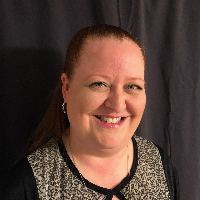


Jennifer Bickford
LPCC
Minnesota - 11 yrs exp





How kink therapy works for Minnesota residents
Kink therapy focuses on supporting people who engage in consensual kink, BDSM, polyamory, or nontraditional relationship practices. In Minnesota, clinicians who work in this area combine general therapeutic skills with an understanding of power dynamics, consent practices, and the cultural context of kink communities. Your therapist will typically begin by creating a collaborative plan that reflects your goals - whether you want to address relationship communication, manage anxiety related to kink activities, process past harms, or explore identity and desire in a nonjudgmental way.
Therapy sessions may include talking, skills training, role-play in a therapeutic role, or referrals to community resources when appropriate. Many clinicians emphasize education and harm reduction, helping you develop clear boundaries, safety plans for scenes, and more effective negotiation techniques. Sessions are guided by your priorities, and a qualified clinician will tailor techniques to fit your needs while respecting your autonomy and the consensual nature of your practices.
Initial intake and assessment
When you first begin kink-oriented therapy in Minnesota, expect an intake that covers your history, relationships, mental health background, and the ways kink factors into your life. This is an opportunity to share what matters to you and to ask about a therapist's experience with kink-affirming approaches. A good intake balances clinical curiosity with respect, so you should feel heard about both practical concerns and the cultural meaning of your activities.
Finding specialized help for kink in Minnesota
Finding a therapist who understands kink can make a significant difference in your comfort and progress. In Minnesota, you can look for clinicians who identify as kink-affirming, kink-aware, or sex-positive in their profiles. Many list their training, continuing education, and community involvement, which helps you assess fit. Local community centers, educational groups, and workshops in Minneapolis and Saint Paul often have clinician recommendations or host panels where you can hear directly from providers and community educators.
Outside the Twin Cities, cities like Rochester and Duluth have clinicians who are knowledgeable about kink and relationship diversity. If you live in a smaller town or rural area, telehealth expands your options, making it more feasible to connect with a therapist whose experience aligns with your needs. When you review profiles, pay attention to stated specialties, therapeutic modalities, and any population focus such as working with couples, LGBTQ+ clients, or people negotiating nonmonogamy.
Credentials and professional fit
Licensure and training matter. Look for licensed mental health professionals such as psychologists, licensed clinical social workers, licensed professional counselors, or marriage and family therapists. Those credentials indicate formal training and adherence to professional standards. It is also reasonable to ask about additional training related to sexuality, trauma, consent practices, and harm reduction. Many clinicians pursue workshops or continuing education specific to kink and sexual health to augment their core credentials.
What to expect from online therapy for kink
Online therapy has become a common option in Minnesota, connecting you with kink-knowledgeable clinicians across city lines. When you choose online sessions, consider the environment where you will participate - you want a place where you can speak openly without interruptions and with confidence in your privacy. Expect similar therapeutic techniques to in-person work, including talk therapy, guided exercises, and skills practice adapted for a virtual format.
Telehealth sessions allow you to access clinicians in Minneapolis, Saint Paul, Rochester, or elsewhere in the state, and can be especially helpful if local options are limited. Online therapy can also make scheduling easier and reduce travel time. Be sure to confirm a therapist's telehealth policies, technical requirements, and whether they are licensed to practice in Minnesota, as licensure determines the legal framework for care.
Safety and boundaries in virtual care
In an online setting, your therapist should discuss boundaries and emergency planning at the outset. This includes what to do if a session is interrupted or if you experience distress between sessions. You can ask how they handle urgent concerns and whether they can make local referrals if in-person support is ever needed. Transparent communication about these matters helps you feel prepared and supported.
Common signs you might benefit from kink therapy
You might consider kink-oriented therapy for many reasons. If negotiation and consent feel difficult to manage in your relationships, therapy can help you build clearer communication and boundary setting skills. If involvement in kink scenes is causing anxiety, shame, or repeated conflict, a clinician can help you untangle those experiences and develop strategies that protect your wellbeing. You may seek therapy after a negative or unexpected experience to process what happened and to assess how you want to proceed moving forward.
Other signs include strain in your romantic or sexual relationships related to desire differences, difficulties maintaining emotional closeness, or recurring patterns that leave you feeling misunderstood. Therapy can also be useful if you are exploring identity - for example, understanding how kink fits into your broader sense of self - or if you want to learn safer ways to engage with scenes and dynamics. Whatever your concern, a therapist who understands kink will focus on your goals rather than imposing normative expectations.
Tips for choosing the right therapist for this specialty in Minnesota
Choosing a therapist involves both practical and interpersonal considerations. First, look for a provider who explicitly states experience with kink-affirming care and who frames their approach in terms of consent, respect, and harm reduction. Read profiles for information about modalities, populations served, and cultural competence. If you have specific needs - such as working with a partner, addressing trauma, or connecting with LGBTQ+ affirming care - seek out clinicians who list that experience.
When you contact a clinician, a brief consultation can help you assess fit. Ask about their experience with issues like negotiation, scene safety, or relationship structures similar to yours. Inquire about session length, fees, and whether they accept your insurance or offer sliding scale options. Practicalities matter, so confirm availability near your city - many therapists list office locations in Minneapolis, Saint Paul, Rochester, Duluth, or Bloomington - and whether they provide online sessions if you prefer remote care.
Trust, rapport, and ongoing evaluation
The relationship you build with a therapist is a central part of effective care. Trust and rapport develop over time, but you should feel respected and free to ask questions from the start. It is appropriate to reassess fit after a few sessions. If you feel judged or misunderstood, you have the option to discuss this with the therapist or to seek another clinician who better matches your needs. Good therapeutic work is collaborative, and your comfort in naming what works and what does not is part of the process.
In Minnesota's diverse communities, you can find clinicians who blend professional skill with cultural humility and community awareness. Whether you live in the Twin Cities or a smaller Minnesota city, there are paths to respectful, knowledgeable support that honors your identity and choices. Use the listings on this page to begin that search, reach out for a consultation, and take the next step toward the kind of care that feels right for you.