Find a Gambling Therapist in Minnesota
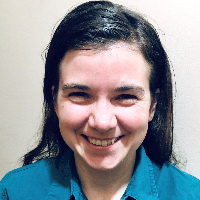
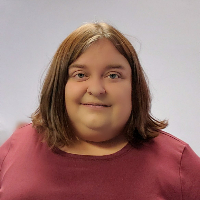
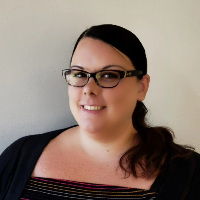
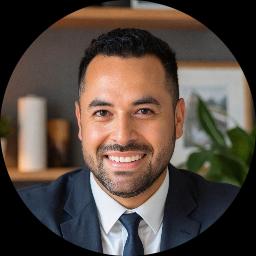
This directory page highlights therapists who focus on gambling-related concerns in Minnesota. You can browse local and online practitioner profiles below to find someone who matches your needs and availability.
Use the listings to compare specialties, approaches, and appointment options, then contact therapists to learn more about their services.
















How gambling therapy typically works for Minnesota residents
When you begin working with a gambling therapist in Minnesota, the first step is an assessment to understand your specific relationship with gambling and how it affects different areas of your life. That assessment often explores patterns of behavior, emotional triggers, financial and legal stressors, and any co-occurring concerns such as anxiety, depression, or substance use. From there, a therapist will collaborate with you to set concrete goals and outline a plan tailored to your circumstances.
Treatment approaches used by therapists who specialize in gambling-related issues are often evidence-informed. Cognitive behavioral techniques help you identify and change thinking patterns that contribute to risky gambling. Motivational approaches support your commitment to change by clarifying your values and strengthening readiness. Relapse prevention planning emphasizes practical strategies to manage urges and high-risk situations. You may also work on rebuilding interpersonal relationships and establishing better financial habits. Sessions can be individual or include family members when appropriate, and many therapists combine short-term goal-oriented work with longer-term support for sustained change.
Finding specialized help for gambling in Minnesota
Finding a therapist who understands gambling-related problems means looking for experience and training in behavioral addictions, impulse control, or financial stress counseling. In larger cities such as Minneapolis and Saint Paul, you will typically find a wider range of specialists and treatment formats. Rochester and Duluth may have fewer dedicated providers, but many clinicians in those communities offer relevant expertise and connections to local support groups. In Bloomington and other suburbs, clinics might provide integrated services that coordinate with financial counselors or community programs.
Licensure and professional background are practical markers to check. Therapists may be licensed as psychologists, social workers, counselors, or marriage and family therapists and may list additional training in addiction treatment or gambling-specific interventions. When you look through listings, consider whether a clinician mentions working with people who face persistent urges, financial difficulties related to gambling, or the emotional fallout that follows problem gambling. You can also ask prospective therapists during an initial call about their experience and typical treatment timeline.
Access and local resources
Urban areas often have more in-person options, while more remote parts of Minnesota rely on telehealth and regional networks for support. Community mental health centers, university clinics, and specialty addiction services can all play a role in your care. If you live near Minneapolis or Saint Paul you may find clinics with multidisciplinary teams; in Rochester you may find providers connected to larger health systems and local counseling services. Wherever you live, ask about referrals to financial counseling, family support programs, or peer-led groups that can complement therapy.
What to expect from online therapy for gambling
Online therapy can be a practical option if you want more scheduling flexibility or live outside major metro areas. When you choose telehealth, sessions commonly take place via video call, phone, or text-based messaging. Many therapists use structured online tools to track progress between sessions, provide worksheets, and support skills practice. An online approach can make it easier to maintain frequent check-ins, which is useful when managing urges or when you need immediate support for a high-risk moment.
There are some important considerations for online care. Confirm that the therapist is licensed to provide services to residents of Minnesota and that they are familiar with state rules for remote practice. Ask how they protect your personal information and what to expect in terms of record keeping and emergency procedures. If you prefer a combination of in-person and online sessions, many providers offer a hybrid model that lets you meet in person in cities like Minneapolis or Saint Paul and continue with telehealth when travel or scheduling becomes difficult.
Common signs someone in Minnesota might benefit from gambling therapy
You might consider reaching out for professional help if gambling has started to interfere with your day-to-day functioning. Signs that therapy could be helpful include spending more time than intended on gambling, unsuccessful attempts to cut back, increasing amounts of money risked to achieve the same excitement, borrowing money or hiding losses, and conflicts with family or colleagues related to gambling behavior. Emotional indicators can include persistent guilt, anxiety, mood swings, or a preoccupation that makes it hard to focus on work, parenting, or social activities.
Even if you are unsure whether your experience meets a clinical threshold, therapy can offer tools to manage urges, rebuild routines, and address underlying factors that contribute to gambling. People in Minnesota may find it encouraging that many therapists integrate financial planning support and family-centered strategies, so treatment often addresses both emotional and practical concerns.
Tips for choosing the right gambling therapist in Minnesota
Start by clarifying what you want from therapy. Are you seeking short-term help to stop or reduce gambling, or do you want longer-term support that includes relationship repair and financial recovery? Use that goal as a lens when you read profiles and contact therapists. When you reach out, ask about their experience with gambling-related issues, their therapeutic approach, and whether they offer telehealth if that is important to you. Inquiring about session length, typical duration of treatment, and options for family involvement will help you evaluate fit.
Cost and insurance are practical factors. Check whether a therapist accepts your insurance plan or offers a sliding scale. If you live outside major centers, ask about evening appointments or group programs that can increase affordability. Consider scheduling an initial consultation to get a sense of rapport - feeling comfortable with the clinician's style is a key part of effective therapy. If you have cultural, linguistic, or community-specific needs, look for therapists who highlight relevant experience or an openness to coordinate with community supports.
Making the first contact
When you reach out to a therapist, be prepared to briefly describe your main concerns and what you hope to change. You can ask how they measure progress and what early steps in the first few sessions typically involve. If you are worried about immediate financial consequences or safety concerns, mention that so the clinician can prioritize practical planning. A clear initial conversation helps you determine whether the therapist's approach aligns with your expectations.
Moving forward with treatment in Minnesota
Beginning therapy is a practical step toward managing gambling-related challenges. Whether you choose in-person sessions in Minneapolis or Saint Paul, or prefer telehealth from a smaller Minnesota town, there are clinicians who focus on behavioral strategies, relapse prevention, and restoring balance to daily life. Treatment often combines learning new coping skills, addressing underlying emotional factors, and connecting with community resources to support recovery.
As you browse the listings on this page, look for therapists whose descriptions and availability match your needs, and consider scheduling a brief consultation to ask questions. Taking that first step can help you regain a sense of control and build a plan tailored to your life in Minnesota.