Find a Veterans Therapist in Michigan
This page lists therapists in Michigan who specialize in Veterans care, with providers serving Detroit, Grand Rapids, Ann Arbor and other communities. Review profiles below to compare experience, approaches, and availability, then contact a therapist who matches your needs.









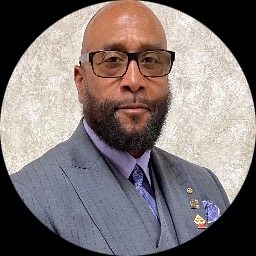






Beryl Fletcher
LPC
Michigan - 10 yrs exp







How veterans therapy works for Michigan residents
If you are a veteran in Michigan seeking therapy, you will find a range of options that can be adapted to your schedule, location, and goals. Therapy for veterans typically begins with an initial assessment where a clinician asks about your military history, current concerns, and treatment goals. That assessment helps shape a plan that may include talk therapies, skills training, family sessions, or referrals for additional services. Many therapists who work with veterans emphasize familiarity with military culture, deployment challenges, and the transition to civilian life, which can make conversations feel more relevant and efficient.
In Michigan, care can be delivered in community clinics, private practices, veteran-focused centers, or through online sessions. You can expect the therapist to explain practical details such as session length, frequency, fees, and how they handle emergencies and coordination with other providers. If you use health insurance, the therapist can often help you understand coverage options and whether they bill directly or provide documentation for reimbursement. Some clinicians offer sliding-fee arrangements or have experience helping clients access veteran-specific benefits and local resources.
In-person options and local access
For in-person care, major population centers like Detroit, Grand Rapids, and Ann Arbor offer more choices in terms of clinicians with veteran-specific training. If you live in a smaller city or a rural area, you may still find qualified therapists through community mental health providers or regional veteran programs. Clinics in larger cities often have multidisciplinary teams that include psychologists, licensed counselors, and social workers who specialize in military-related issues. When you attend in person, you can expect an environment designed to be welcoming for veterans and their families, with practical considerations such as accessible parking and flexible scheduling.
Finding specialized help for veterans in Michigan
When you look for a therapist who understands veterans' needs, focus on both credentials and experience. Licensure types you may encounter include licensed professional counselors, clinical social workers, marriage and family therapists, and psychologists. Beyond licensure, ask about specific training in working with veterans - for example training in trauma-focused therapies, substance use treatment, or treatments for service-related injuries. A therapist who has worked with military populations will be familiar with common stressors such as reintegration, moral injury, loss, and relationship strain.
Where you search matters. Local directories and regional veteran centers are good starting points because they often list clinicians who have demonstrated experience with military populations. You can also review therapist profiles to learn about their therapeutic approach, years of experience, and whether they have experience with issues that matter to you. Cities like Detroit, Grand Rapids, and Ann Arbor tend to offer a wider variety of specialists, but clinicians throughout Michigan may offer teletherapy options if in-person visits are difficult.
Practical considerations when choosing a specialist
Consider the kinds of therapy approaches used and whether they align with your preferences. Some clinicians specialize in evidence-informed therapies for trauma and stress- related conditions, while others emphasize holistic approaches that include family work, vocational support, or integration with medical care. Think about logistics such as session times, whether evening or weekend appointments are available, and how the therapist handles contact between sessions. If you rely on a particular type of provider network or veteran benefit, ask whether the therapist accepts that coverage or can help you navigate reimbursement.
What to expect from online therapy for veterans
Online therapy can be a practical option for Michigan veterans, particularly if you live outside major cities or have mobility or scheduling constraints. You can expect to connect with a therapist by video or sometimes by phone. A typical first online session will cover your presenting concerns, a brief history, and goals for therapy, along with technical and practical details. Good online clinicians will explain how they maintain privacy, what to do in an emergency, and how to handle technology interruptions.
Online therapy offers flexibility - you might meet with a therapist from Grand Rapids while living in a more rural county, or continue ongoing work if you move within the state. Teletherapy can also make it easier to coordinate care with family members who live elsewhere. Keep in mind that not every therapeutic approach is equally suited to online delivery, so ask the clinician how they adapt their methods for remote sessions. If you have sensory or accessibility needs, discuss accommodations before your first appointment so sessions can be as effective as possible.
Common signs someone in Michigan might benefit from veterans therapy
You might consider seeking a veterans-focused therapist if you notice persistent changes in mood, sleep, or daily functioning following military service. Struggling to adjust after deployment, experiencing frequent intrusive memories, or having intense reactions to reminders of service can all indicate that professional support would be helpful. Relationship difficulties, trouble concentrating at work or school, increased substance use, or avoidance of activities you once enjoyed are other signs that therapy may support recovery and adaptation.
Family members and friends often notice changes before the veteran does. If someone in your life is expressing worry about your behavior or well-being, it can be useful to explore therapy as a resource. Therapy is not only for crisis situations; many people seek support during transitions such as retirement from service, career change, or when managing chronic medical concerns related to service. Early attention to these issues can make them easier to address and can improve quality of life over time.
Tips for choosing the right therapist for this specialty in Michigan
Start by identifying what matters most to you - whether that is experience with trauma-focused approaches, familiarity with military culture, family work, or coordination with medical providers. Read therapist profiles to learn about their training and areas of focus, and look for language that indicates direct experience with veterans. When you contact a potential therapist, prepare questions about their experience working with veterans, the therapies they use, and what a typical course of treatment looks like. Ask how they measure progress so you have a sense of how goals will be evaluated over time.
Trust your instincts after an initial conversation. A good match feels practical and respectful - you should feel heard and understood, and the therapist should be able to explain treatment options in clear terms. If you do not feel comfortable after a few sessions, it is reasonable to discuss this with the clinician and consider a referral. In cities like Detroit, Grand Rapids, and Ann Arbor, you may be able to try a few different providers until you find the right fit. If you choose online therapy, do a short test with the technology and make sure you have a quiet, comfortable environment for sessions.
Finally, consider logistics such as cost, scheduling, and whether the therapist coordinates with other supports you use. Many therapists will provide a brief phone consultation at no charge to help you decide whether to schedule an appointment. Leveraging those conversations can save time and help you find a clinician who meets both your therapeutic and practical needs.
Finding the right veterans therapist in Michigan is a personal process, but there are many clinicians who understand the particular challenges and strengths of military life. Use the listings on this page to explore qualifications and approaches, reach out to ask questions, and take the next step when you are ready to pursue support.