Find a Narrative Therapy Therapist in Michigan
Narrative Therapy focuses on the stories people tell about their lives, helping separate problems from identity and create alternative, empowering narratives. Practitioners across Michigan offer this collaborative, language-based approach in both in-person and remote formats. Browse the listings below to compare therapists, specializations, and availability.



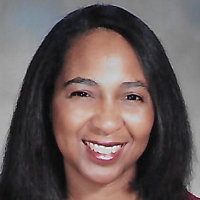






Dr. Elaine Beauchamp
LMSW
Michigan - 25 yrs exp






Michael Gee
LPC
Michigan - 10 yrs exp




What Narrative Therapy Is and the Principles Behind It
Narrative Therapy is an approach that treats personal stories as central to how people understand themselves and their experiences. Rather than seeing a person as defined by a problem, this approach frames problems as separate from the individual. The process invites you to explore the language, assumptions, and cultural influences that shape a story and to identify moments that contradict the dominant, limiting narrative. Core practices include externalization - giving a problem a name and treating it as an external influence - deconstruction of unhelpful assumptions, and re-authoring, which involves developing richer, more hopeful narratives about your life.
This method places emphasis on the meaning-making work that happens through conversation. Therapists guide reflective questioning, help map the influence of problems, and support the development of alternative storylines. Over time the narrative focus can shift how daily choices are understood and how relationships are experienced, making the therapy useful across many contexts without implying a fixed diagnosis or label.
How Narrative Therapy Is Used by Therapists in Michigan
In Michigan, Narrative Therapy is practiced in a variety of settings, from private practices to community mental health clinics, and through teletherapy. Therapists working in urban centers and smaller towns adapt narrative methods to local cultural and social contexts. In Detroit, practitioners may combine narrative work with attention to community history and resilience. In Grand Rapids and Ann Arbor, narrative approaches are often integrated with issues related to identity, career transitions, and academic stress. Across the state, therapists draw on narrative techniques to explore how regional culture, family history, and social expectations shape stories people carry.
Therapists in Michigan often tailor narrative work to the practical needs of clients. Some focus on individual life stories, others apply narrative ideas to couples and family dynamics, and some facilitate group sessions where people witness and reflect on one another's stories. Because narrative therapy emphasizes collaboration and language, clinicians often provide exercises that clients can continue outside the session, such as journaling, writing letters, or creating timelines that highlight moments of resilience or change.
Issues Commonly Addressed with Narrative Therapy
Narrative Therapy is commonly used for a range of challenges where the experience of a problem is closely tied to identity and meaning. People who come to narrative work often want to change how they relate to anxiety, persistent low mood, or repeated relationship patterns. It is also well suited to transitions such as career changes, parenting shifts, or retirement. When cultural or social narratives - including community expectations or family stories - feel limiting, narrative techniques can help reinterpret those influences and open up new possibilities.
Therapists in Michigan also use narrative methods when addressing grief and loss, experiences of discrimination, and questions of identity related to gender, sexuality, or cultural background. Rather than promising a quick fix, narrative work helps you examine the stories that make certain problems seem inevitable and then identify overlooked events or 'unique outcomes' that point to different paths forward.
What a Typical Online Narrative Therapy Session Looks Like
When you meet with a Narrative Therapy clinician online, a session often begins with gentle conversation to map the current concerns and the story you are carrying about them. The therapist will ask questions that help separate the person from the problem - for example, inviting you to describe the problem as something that acts on your life rather than something that defines you. You can expect explorations of language - the words you use to describe experiences - and inquiries that reveal how relationships, work, culture, and past events influence that language.
Many online sessions include collaborative exercises that you can do together with the therapist. This might involve creating a timeline of significant events, identifying moments when the problem had less influence, or drafting letters that express a different narrative. Therapists may suggest journaling prompts or creative tasks between sessions to help you notice alternative storylines in daily life. Technology allows for screen sharing to view written exercises, and secure video calls can let you exchange documents or creative work. Sessions typically last between 45 and 60 minutes, and continuity of care is often strengthened by consistent scheduling and clear follow-up goals.
Who Is a Good Candidate for Narrative Therapy
You may be a good fit for Narrative Therapy if you want to change the stories that shape your sense of self and your relationship to problems. This approach appeals to people who are curious about language and meaning, who prefer collaborative and conversational therapy, and who are interested in practical exercises that extend beyond the therapy hour. Narrative methods can be helpful for individuals across the lifespan - from adolescents navigating identity to older adults reflecting on life transitions.
People who have experienced repeated patterns in relationships or work, or who feel constrained by cultural or family narratives, often find narrative therapy empowering. It also works well when you want therapy that respects your values and cultural context and when you prefer a non-pathologizing framework. If you are looking for direct symptom removal, you may want to discuss how narrative methods can be combined with other approaches that address those goals.
How to Find the Right Narrative Therapy Therapist in Michigan
Finding the right fit involves a mix of practical considerations and personal resonance. Start by reading therapist profiles to learn about their training, approach, and areas of focus. Pay attention to descriptions that explain how they apply narrative ideas in practice and whether they highlight experience with issues similar to yours. Consider whether in-person sessions in cities like Detroit or Ann Arbor are important to you, or whether remote sessions provide a better fit with your schedule and location. Many therapists list whether they offer evening or weekend appointments, which can be an important factor if work or family responsibilities limit daytime availability.
It is reasonable to reach out for an initial consultation to ask about the therapist's experience with narrative techniques, how they like to structure sessions, and what kinds of exercises they typically use between meetings. Discuss fees, insurance, and any sliding scale options up front so practical arrangements are clear. A good match often depends on feeling heard by the therapist and sensing a shared understanding of your goals. Trust your sense of rapport during an introductory call - it is an important indicator of whether the collaborative work of narrative therapy will feel comfortable and productive.
Putting It Into Practice in Michigan
Whether you are in a bustling neighborhood in Detroit, a college town in Ann Arbor, or a growing cultural scene in Grand Rapids, Narrative Therapy can be adapted to many life circumstances. You can expect sessions that involve careful listening, thoughtful questions, and creative tasks that help you test out new storylines in everyday life. Over time, the approach aims to expand the range of possible identities and choices available to you, rather than to label or limit.
Begin by browsing profiles, reading therapist biographies, and scheduling a brief consultation. Narrative Therapy is collaborative work, and the right therapist will invite you to be an active co-author in reshaping the stories that matter most. When the narrative around a challenge changes, the practical effects on daily life and relationships can follow, giving you room to pursue new directions with greater clarity and purpose.