Find a Mood Disorders Therapist in Michigan
Find licensed clinicians in Michigan who specialize in treating mood disorders, including options for in-person care and remote appointments. Browse the therapist listings below to compare approaches, credentials, and availability across Detroit, Grand Rapids, Ann Arbor, and beyond.



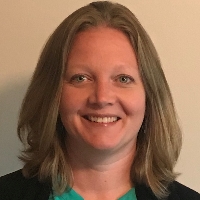
Angela Dorr
LPC
Michigan - 11 yrs exp


















How mood disorders therapy works for Michigan residents
If you are living in Michigan and considering therapy for a mood disorder, it helps to understand the general path a typical course of care follows. Your journey usually begins with an assessment - a conversation about your current symptoms, history, daily functioning, and treatment goals. From there, a clinician will work with you to create a treatment plan that may include regular psychotherapy sessions, coordination with a prescriber when medication is being considered, and referrals to community supports when needed. Therapists trained in mood disorders use evidence-informed approaches to help you manage symptoms, build coping skills, and strengthen routines that support emotional stability.
Assessment and treatment planning
During an initial intake you can expect questions about mood patterns, sleep, appetite, energy, concentration, relationships, and any history of suicidal thoughts or self-harm. That information guides diagnosis and helps the clinician recommend appropriate interventions. If you have concerns about medication, the therapist can often help you connect with a psychiatrist or primary care provider in Michigan to discuss options. Treatment plans are typically revisited regularly so you and your clinician can adjust goals and strategies as your needs change.
Therapeutic approaches you might encounter
Many therapists in Michigan use cognitive-behavioral therapy to address negative thinking patterns and behavioral routines that contribute to depressed mood or anxiety. Interpersonal therapy focuses on relationships and communication, which can be particularly helpful when mood shifts are linked to life transitions or social stresses. For people with bipolar spectrum conditions, a combination of mood-stabilizing medications and psychosocial support tends to be recommended by clinicians. You may also find therapists who integrate acceptance-based methods, mindfulness skills, or family-focused work when relationships play a central role in symptoms.
Finding specialized help for mood disorders in Michigan
Locating a clinician with the right experience is an important step. In urban centers like Detroit and Ann Arbor you will generally find a wider range of specialties and providers who work with complex mood disorders, while in smaller communities you may access skilled licensed counselors who offer strong expertise in depression and anxiety. Grand Rapids has a growing behavioral health community with services spanning outpatient clinics and university-affiliated programs. When searching, look for clinicians who list mood disorders, depression, bipolar disorder, or mood instability among their focus areas and who note experience with the age group you belong to, whether adolescent, adult, or older adult.
Licensure and credentials
Therapists in Michigan hold a variety of credentials, such as licensed professional counselors, clinical social workers, marriage and family therapists, psychologists, and psychiatrists. You can check a provider's license status through Michigan licensing boards to confirm their credential and any disciplinary history. If you prefer a therapist who collaborates closely with prescribers, ask whether they maintain relationships with psychiatrists or primary care providers in your area or offer integrated care in their practice.
What to expect from online therapy for mood disorders
Online therapy has become a widely used option across Michigan, offering the convenience of attending sessions from home - which can be especially helpful if you live outside major cities or have transportation limits. When you choose teletherapy you will typically meet with your clinician via video or phone, and sessions follow much the same structure as in-person visits. Therapists will work with you to create goals, assign practical exercises between sessions, and monitor mood changes over time. Online options can increase access to specialists who may not be locally available, and many clinicians offer a mix of in-person and virtual appointments to fit your schedule.
Practical aspects of remote care
Before starting online therapy, you might ask about how appointments are scheduled, what technology is used for video sessions, and how records and communications are handled. It is reasonable to confirm how the clinician will handle emergencies or urgent concerns, and whether they have recommendations for local emergency services in cities such as Detroit, Grand Rapids, or Ann Arbor should you need immediate assistance. Many Michigan clinicians have experience supporting clients who live in rural counties and can help you connect with local resources when additional services are needed.
Common signs that you might benefit from mood disorders therapy
You may want to seek help if you find that low mood, irritability, or dramatic shifts in energy are interfering with your daily life, work, school, or relationships. Persistent sadness that does not lift, loss of interest in activities you once enjoyed, changes in sleep or appetite, trouble concentrating, and a decline in your ability to handle routine tasks are all signals that professional support could be beneficial. For mood elevation, if you experience periods of unusually high energy, decreased need for sleep, racing thoughts, or impulsive behavior that leads to negative consequences, an evaluation for bipolar spectrum conditions may be appropriate. If you ever have thoughts of harming yourself or others, reach out immediately to local emergency services or crisis resources in your area.
Tips for choosing the right therapist for mood disorders in Michigan
Selecting a therapist is both practical and personal - you want someone whose skills match your needs and whose approach feels like a fit. Start by looking for clinicians who highlight mood disorder experience and who describe the therapeutic methods they use. Consider whether you prefer short-term goal-directed work or longer-term relational therapy. Think about logistics such as location, availability, whether they offer evening hours, and whether they accept your insurance or offer a sliding fee scale. If language or cultural understanding matters to you, search for providers who note multilingual capabilities or experience working with communities in Detroit, Grand Rapids, or Ann Arbor.
What to ask in an initial consultation
When you contact a potential therapist, it helps to ask about their experience treating mood disorders, the types of approaches they find most effective, how they measure progress, and how they coordinate care if medication is part of the plan. You may also inquire about session length, cancellation policies, and modes of communication outside of sessions. Many clinicians welcome a brief phone or video consultation so you can get a feel for their style and decide whether to schedule a full intake visit.
Practical considerations - cost, insurance, and local supports
Costs vary by provider and by the type of clinician. If you have health insurance, contact your insurer to confirm mental health benefits and whether a particular therapist is in-network. Michigan offers community mental health agencies in many counties and university training clinics that provide reduced-fee services through supervised practicum programs, which can be good options if affordability is a concern. If you are enrolled in Medicare or Medicaid, some clinicians accept these programs while others do not, so it is helpful to verify coverage before booking. For urgent needs, local hospitals and crisis response teams in cities like Detroit and Ann Arbor provide immediate support, and campus counseling centers may serve students in places such as Ann Arbor or Grand Rapids.
Next steps and finding the right match
Beginning therapy can feel like a big step, but taking time to research providers, ask questions, and try an initial session can help you find a clinician who meets your needs. Use the listings on this page to compare profiles, read about clinical approaches, and look for therapists who work with mood disorders and offer the modality you prefer. Whether you choose in-person care in Detroit or Grand Rapids or remote appointments that fit your schedule, a well-matched therapeutic relationship can give you tools to manage symptoms and improve daily functioning. When you are ready, reach out to a few clinicians to arrange consultations and decide which approach feels right for you.