Find a Disruptive Mood Dysregulation Disorder (DMDD) Therapist in Michigan
On this page you will find therapists in Michigan who specialize in Disruptive Mood Dysregulation Disorder (DMDD). Explore profiles for clinicians offering child and adolescent-focused treatment, family work, and telehealth options in your area.
Use the listings below to compare specialties and approaches, then contact a therapist to learn more or schedule an initial visit.













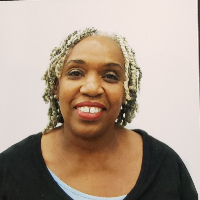
Michele Gouin
LMSW, LCSW
Michigan - 25 yrs exp










How DMDD therapy typically works for Michigan residents
When you begin therapy for Disruptive Mood Dysregulation Disorder in Michigan, the process usually starts with an assessment to understand symptoms, triggers, and how mood and behavior affect daily life. Therapists will gather information from you and from caregivers when appropriate, and they may ask about school behavior, sleep, routines, and family stressors. That assessment guides a treatment plan that often blends individual skills training for the young person with caregiver coaching and coordination with schools or pediatric providers.
Therapists who focus on DMDD tend to use structured approaches that teach mood regulation, problem-solving, and social skills. You can expect realistic goals that emphasize small, measurable changes such as reducing the frequency of intense outbursts, improving coping strategies during frustration, and strengthening family communication. Over time, therapists track progress through symptom check-ins and adjustments to the plan as needed.
Finding specialized help for DMDD in Michigan
Access to therapists with experience in DMDD varies across the state, but larger urban centers often have more specialized options. If you live in Detroit or nearby suburbs, you may find clinicians who also work with community agencies and schools. Grand Rapids and Ann Arbor are regional hubs where child and adolescent mental health services are more commonly available, including clinics affiliated with universities and hospitals. In smaller cities and rural areas, therapists may offer broader child and adolescent expertise and coordinate closely with pediatricians and school staff to support families.
When searching, look for clinicians who list experience with mood dysregulation, oppositional behavior, or temper management for children and adolescents. You can filter or scan profiles for terms like family-focused therapy, parent training, behavioral interventions, and play-based strategies. Many therapists also indicate whether they accept insurance, offer sliding scale fees, or provide evening appointments to accommodate school schedules.
What to expect from online therapy for DMDD
Online therapy is commonly offered across Michigan and can be a practical option if you live outside major cities or need flexible scheduling. With virtual sessions, you will typically meet through a video platform for the same length of session as in-person care. Therapists may use online sessions for parent coaching, skills practice with the child, or joint family sessions. You can often include school staff or pediatric providers in video meetings when collaboration is helpful.
Before starting telehealth, make sure you have a stable internet connection and a quiet space where the child can engage without interruptions. Therapists often adapt activities for the screen - using more direct coaching with caregivers, breaking skills into shorter practice segments, and assigning home-based exercises between sessions. If you prefer a mix of in-person and virtual meetings, many clinicians in Michigan offer hybrid care that lets you blend both formats.
Common signs that someone in Michigan might benefit from DMDD therapy
You might consider seeking an evaluation if a child or adolescent shows frequent, intense temper outbursts that feel out of proportion to the situation, or if there is persistent irritable or angry mood between these episodes. Another indication is when outbursts interfere with school attendance, learning, friendships, or family relationships. Caregivers often notice that typical discipline strategies are ineffective or that the child’s reactions lead to repeated conflicts at home or school.
Other signs that therapy could help include difficulty calming down after getting upset, chronic frustration over small setbacks, and marked mood reactivity that lasts for months. If teachers report repeated behavioral disruptions in the classroom or if disciplinary actions have increased, coordinating support between a therapist and school staff can be important. You do not need to wait for a formal diagnosis to seek help - early support can teach coping skills and reduce the impact of mood and behavioral challenges on daily life.
Tips for choosing the right DMDD therapist in Michigan
Choosing a therapist starts with practical considerations and moves to questions about fit and style. First, check credentials and licensure to ensure the clinician is authorized to practice in Michigan. Look for experience with children and adolescents, and for mention of family-based work and school collaboration. If language access, cultural understanding, or experience with diverse family structures matters to you, look for clinicians who note those competencies in their profiles.
When you contact a therapist, ask about their approach to DMDD - whether they emphasize parent coaching, cognitive-behavioral strategies, or behavioral interventions - and how they measure progress. Inquire about typical session length, whether they include caregivers in sessions, and how they coordinate with schools or pediatricians. You should also discuss logistics like appointment times, insurance participation, and whether they offer weekend or evening sessions to fit your schedule.
Fit is personal. You may prefer a clinician who takes a collaborative, coaching-focused stance with caregivers or one who uses structured skill-building for the child. Some therapists excel at working with families on routines, sleep, and consistent consequences, while others bring stronger experience with emotion-regulation curricula. If possible, schedule an initial consultation to get a sense of communication style, expectations, and whether you feel heard and supported.
Working with schools and community resources in Michigan
Many therapists in Michigan routinely collaborate with schools to develop behavior plans, 504 accommodations, or individualized supports that help a child succeed in the classroom. If a child’s symptoms are affecting school performance, ask a prospective therapist how they work with educators and whether they can attend school meetings when appropriate. In cities like Detroit, Grand Rapids, and Ann Arbor there may be more opportunities for direct partnership with school-based mental health programs or community clinics, but clinicians statewide can still support school coordination through phone calls, written recommendations, and shared plans.
In addition to school collaboration, you might explore local parent support groups, behavioral health workshops, and early intervention resources. A therapist can help you navigate referrals and community programs that complement individual treatment, such as social skills groups or family education classes.
Preparing for your first sessions and measuring progress
Before the first session, gather useful information such as recent school reports, notes from pediatric visits, and a brief timeline of when behaviors started or changed. Having examples of situations that trigger outbursts and a description of typical responses will help the therapist tailor the initial assessment. It is also helpful to think about realistic short-term goals - for example, reducing the frequency of daily outbursts or improving bedtime routines - so you and the therapist can track progress.
Therapists often monitor change using symptom checklists and by asking caregivers and teachers about improvements in behavior and mood. Progress may be gradual, and a good clinician will adjust interventions as needed and involve you in decision-making. If at any point you feel the approach is not working, bring that up - a change in technique, more family involvement, or a different therapist might be the next step.
Finding care that fits your family
Whether you live in a busy neighborhood of Detroit, a college town like Ann Arbor, or a growing metropolitan area like Grand Rapids, there are therapists who can meet families where they are. Use therapist profiles to compare approaches and reach out for an initial conversation. Asking the right questions about experience with DMDD, family involvement, school coordination, and practical logistics will help you find a provider who fits your needs. With the right supports in place, therapy can provide strategies to reduce disruptive episodes, strengthen coping skills, and improve everyday life for the whole family.