Find an Abandonment Therapist in Michigan
This page connects you with therapists who focus on abandonment issues across Michigan, including clinicians serving Detroit, Grand Rapids, and Ann Arbor. Browse the listings below to compare approaches, specialties, and local availability.














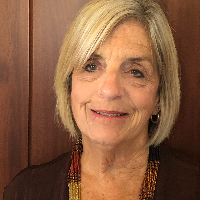









How abandonment therapy works for Michigan residents
If you are exploring therapy for abandonment concerns, the process begins with assessment and listening. A therapist will ask about your personal history, relationships, and the situations that led you to seek help. In Michigan, as elsewhere, therapists blend talk-based work with evidence-informed techniques to address patterns of attachment, trust, and self-worth that often follow experiences of loss, separation, or neglect. Sessions are designed to help you make sense of how early or recent experiences shape your current emotional responses and relational behaviors.
Therapists typically map out treatment goals with you - whether you want to reduce anxiety triggered by perceived rejection, improve boundaries, heal from childhood separation, or learn new ways of relating. Over time you and your therapist will practice skills such as emotional regulation, grounding, and communication strategies, and you may explore deeper themes through approaches that examine patterns across your relationships. The pace of this work varies, and a good therapist will tailor methods to fit your needs and cultural background.
Finding specialized help for abandonment in Michigan
When looking for someone who specializes in abandonment-related work, you can search for clinicians who list attachment issues, trauma-informed care, relationship trauma, or grief and loss among their specialties. Many therapists in Michigan hold backgrounds in counseling, social work, or clinical psychology and bring additional training in modalities that address abandonment, such as attachment-based therapy, schema therapy, emotionally focused therapy, or trauma-focused approaches. You may also look for practitioners who emphasize relational repair and building secure bonds, particularly if your concerns involve current romantic relationships or family dynamics.
Location matters for in-person work, so consider therapists based in cities like Detroit, Grand Rapids, Ann Arbor, Lansing, or Flint if you prefer face-to-face sessions. If you are balancing work, family, or travel across the state, many clinicians also offer flexible scheduling or hybrid options that mix in-person and remote sessions. Licensing and professional credentials are important - you can confirm a therapist's licensure status and scope of practice with state regulatory boards if you want to verify qualifications before booking an appointment.
What to expect from online therapy for abandonment
Online therapy has become a common and practical option for people across Michigan. If you choose remote sessions, expect the core therapeutic tasks - assessment, goal setting, skills practice, and reflection - to remain the same as in-person work. Online sessions can be especially helpful when you need continuity of care while traveling between communities like Ann Arbor and Grand Rapids, or when local options are limited. Before your first virtual session you will typically receive information about scheduling, fees, and what technology to use. You should also get guidance on how to create a quiet, distraction-reduced space at home so you can focus on the work.
Therapists will adapt interventions to the online format, using exercises, worksheets, and in-the-moment coaching in the video call. If you are concerned about establishing rapport through a screen, many people find that a skilled therapist can still build a meaningful connection online. Some clinicians may combine video sessions with occasional in-person meetings if you live nearby and both of you agree that in-person contact would be helpful at certain points in therapy.
Common signs that someone in Michigan might benefit from abandonment therapy
You might consider seeking abandonment-focused therapy if you notice persistent fear of being left, recurring relationship conflicts that echo past losses, or strong avoidance of closeness even when you want connection. These patterns can show up as intense reactions to breakups, difficulty trusting partners, chronic jealousy, repeated cycles of entering and ending relationships, or an ongoing sense of unworthiness tied to early experiences of separation. You may also experience heightened anxiety around any hint of rejection, or feel that you are unable to rely on others for support even when support is offered.
People often seek help when these patterns start to interfere with daily life - for example when work performance suffers because of relationship stress, when parenting is affected by fears of abandonment, or when social withdrawal limits opportunities for meaningful connection. Living in different parts of Michigan can shape how these issues appear. In urban centers like Detroit you may find more diverse specialty practices and therapist availability, whereas in smaller towns or suburbs you might rely more on telehealth to access clinicians who focus on abandonment and attachment topics.
Tips for choosing the right therapist for abandonment work in Michigan
Start by clarifying what matters most to you. Do you prefer someone who emphasizes skill-building and practical strategies, or a therapist who focuses on exploring relational patterns and past experiences more deeply? You should also consider logistics - proximity to your home or workplace if you want in-person sessions, availability that fits your schedule, and whether the clinician accepts your form of payment or insurance. In Michigan, many therapists indicate whether they offer sliding scale fees or reduced-rate options, which can make therapy more accessible if cost is a concern.
Read therapist profiles to learn about their training and approaches. Look for clinicians who explicitly discuss attachment, abandonment, or relationship trauma if those are your primary concerns. You can request an initial consultation, often a brief phone call or intake, to get a sense of their style and whether you feel comfortable with them. Trust your instincts - the therapeutic relationship is a key factor in progress, so feeling heard and respected from the outset matters. If you do not feel a connection, it is reasonable to try a different therapist until you find the fit that supports your goals.
Local considerations
If you live in Detroit, you have access to a wide range of therapists with varied specialties, community clinics, and academic resources that can supplement your care. In Grand Rapids and Ann Arbor you may find clinicians who integrate evidence-based treatments with community mental health resources and university-affiliated training clinics. Lansing and Flint both have practitioners who understand the cultural and economic contexts of their communities, which can be important when abandonment experiences intersect with systemic stressors. Wherever you are in Michigan, consider reaching out to local community centers, support groups, or referral networks if you need guidance finding a therapist who fits your needs.
Making the most of therapy for abandonment
Your active engagement will shape the outcomes of therapy. Be open about your expectations, ask questions when you do not understand an approach, and share feedback about what feels helpful or not. Your therapist can introduce exercises for managing intense emotions, improve communication skills for relationships, and help you build a more secure sense of self. Progress often unfolds gradually - you may notice incremental improvements in how you respond to perceived rejection, how you set boundaries, and how you allow yourself to trust others.
If setbacks occur, discuss them with your therapist so you can adjust the plan together. You can also explore community resources, reading materials, or workshops in Michigan that complement your sessions. Remember that seeking help is a step toward change, and that finding the right clinician may take some time. Use the listings on this page to compare therapists' specialties, locations, and approaches, and to arrange consultations that help you decide who will best support your journey toward healing and healthier relationships.