Find a Cognitive Behavioral Therapy (CBT) Therapist in Massachusetts
Cognitive Behavioral Therapy (CBT) is a structured, evidence-informed approach that helps people recognize and change unhelpful thoughts and behaviors. Find CBT practitioners across Massachusetts below and browse listings to compare specialties, availability, and treatment formats.





Joi Allen-Baaqee
LMHC, LPC
Massachusetts - 12 yrs exp









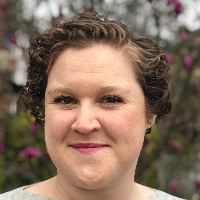


Mary Aubrey
LICSW
Massachusetts - 40 yrs exp







What Cognitive Behavioral Therapy (CBT) Is
Cognitive Behavioral Therapy, commonly called CBT, is a goal-oriented form of psychotherapy that focuses on the connections between thoughts, emotions, and actions. The approach assumes that patterns of thinking and behavioral habits contribute to the challenges you experience. CBT therapists work with you to identify unhelpful thought patterns, test those thoughts against real-world evidence, and build alternative responses through practice and skill development. The result is a practical toolkit you can use outside sessions to respond differently to stressors and difficult situations.
Principles that guide CBT
At its core, CBT emphasizes collaboration between you and your therapist, clear goals, and homework between sessions. Therapy tends to be time-limited and structured, with sessions devoted to setting an agenda, reviewing progress, introducing techniques, and planning exercises to try between meetings. Techniques can include cognitive restructuring - the practice of examining and reframing automatic thoughts - and behavioral experiments, where you test new ways of acting to gather information and reduce avoidance. Most therapists use measurement tools and regular check-ins to track progress and adjust the plan as needed.
How CBT Is Used by Therapists in Massachusetts
Therapists across Massachusetts apply CBT in a range of settings, from private practices in Boston and Cambridge to community clinics and university-affiliated centers in Worcester and Springfield. Practitioners often integrate CBT with culturally responsive care and adapt techniques to match your background, age, and life circumstances. In urban centers such as Boston and Cambridge you may find clinicians with specialized training in evidence-informed CBT protocols, while in suburban and regional areas like Lowell and Worcester therapists often emphasize accessibility and flexible scheduling. Therapists may offer in-person sessions, online appointments, or a combination of both to meet different needs.
Local considerations
The mental health landscape in Massachusetts includes resources for people with varied insurance coverage and financial situations. Some therapists provide sliding scale fees or work with employee assistance programs, while others participate with major insurance plans. If you live or work in a particular area, such as commuting into Boston or residing near Springfield, you can search for clinicians who offer evening or weekend appointments, or who specialize in the life stage or population you belong to - for example adolescents, college students, or older adults. Many CBT therapists in the state also collaborate with primary care providers and community services when clients want coordinated care.
Issues Commonly Addressed with CBT
CBT is applied to a broad set of concerns. Many people come to CBT for persistent worry and anxiety, low mood, difficulties with sleep, or patterns of avoidance that limit daily functioning. Therapists also use CBT strategies to address specific problems such as panic, social anxiety, phobias, stress management, and challenges with anger or irritability. Additionally, CBT techniques can support changes in habits - for instance improving sleep routines, managing impulsive behaviors, or reducing reliance on short-term coping strategies that no longer serve you well. The approach is adaptable, so a therapist will tailor interventions to the problem you are working on and the goals you set together.
What a Typical CBT Session Looks Like Online
When you attend an online CBT session, the structure will usually feel familiar and purposeful. Sessions often begin with a brief check-in about how things went since the last meeting and which tasks - sometimes called homework - you completed. You and the therapist then set an agenda that prioritizes the most pressing issues and skills to practice. The middle portion of a session may include reviewing thought records, practicing relaxation or grounding techniques, conducting a guided behavioral experiment, or role-playing a difficult conversation. Toward the end, you and the therapist agree on specific exercises to try between sessions and note what will be monitored next time.
For online sessions, practical preparation helps the work go smoothly. Find a comfortable environment where you will not be interrupted, use headphones if that helps you focus, and ensure a reliable internet connection. Many therapists will discuss personal nature of sessions practices and emergency planning at the outset and will ask about how to reach you if a connection drops. The therapeutic tasks and the level of interactivity are similar to in-person care - the online format simply changes the medium through which you connect.
Who Is a Good Candidate for CBT
CBT is a strong fit if you prefer a structured, skill-based approach and are willing to work actively between sessions. If you like to set concrete goals, track progress, and apply practical techniques to everyday situations, CBT may align well with your preferences. The approach suits people who want focused intervention that teaches tools for managing thoughts and behavior. CBT can be adapted for different ages and cultural contexts, and therapists will often tailor language and examples to match your life. It is not limited to a single type of issue, so whether your concerns are short-term stressors or longer-standing patterns, CBT offers methods to address them.
How to Find the Right CBT Therapist in Massachusetts
Start by clarifying what matters most to you - whether that is evening availability, a therapist who has experience with anxiety or trauma-informed care, language options, or familiarity with a particular cultural background. When reviewing listings, look for clinicians who list CBT in their specialties or mention specific CBT-trained approaches. Read biographies to understand how therapists describe their style, whether they emphasize collaborative skills training or a more insight-oriented form of cognitive work. If you live near Boston or Cambridge you may have access to clinicians with advanced CBT training and specialized programs. In cities like Worcester, Springfield, and Lowell you can often find clinicians who combine CBT skills with strong community-based knowledge and flexibility in scheduling.
Contact potential therapists to ask about their experience with CBT, their typical session structure, and what a short course of therapy might look like. Ask about fees, insurance participation, and cancellation policies so there are no surprises. Many therapists offer a brief introductory call - use that opportunity to assess fit and to notice how comfortable you feel discussing goals. Trust your sense of connection and consider starting with a limited number of sessions to evaluate the therapist's approach in practice.
What to Expect After Starting CBT
Once you begin CBT, expect to be active in the process. Progress often comes from applying techniques between sessions and reviewing what works and what does not. Therapists typically monitor outcomes to ensure the approach aligns with your goals and will adjust techniques if needed. Over weeks to months you may notice changes in how you interpret situations, your ability to manage stress, and your capacity to take actions that support well-being. If you live near Boston, Worcester, Springfield, or surrounding communities, you can access follow-up services and community resources to reinforce gains.
Choosing a CBT therapist in Massachusetts is a practical step toward learning skills that help you manage challenging thoughts and behaviors. By exploring profiles, asking questions about training and approach, and trying an introductory session, you can find a clinician whose style fits your needs. Use the listings above to compare options in your area and reach out to start a conversation about how CBT might help you move toward the goals you have set.