Find a Relationship Therapist in Massachusetts
This page features clinicians who focus on relationship therapy across Massachusetts, including practitioners offering in-person and online sessions. Use the listings below to compare specialties, areas served, and availability before reaching out.







Joi Allen-Baaqee
LMHC, LPC
Massachusetts - 12 yrs exp








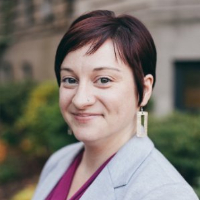



Mary Aubrey
LICSW
Massachusetts - 40 yrs exp





How relationship therapy works for Massachusetts residents
Relationship therapy in Massachusetts follows many of the same principles used elsewhere, but you may find local variations in availability, approaches, and cultural emphasis depending on whether you are in an urban center or a smaller community. Typically you and your partner begin with an assessment session where the therapist asks about the history of the relationship, current concerns, communication patterns, and goals for therapy. From there the therapist will recommend a course of work - often a sequence of focused sessions that address communication, coping strategies for conflict, and ways to rebuild trust or intimacy. Some clinicians use structured models that include exercises to practice between sessions, while others take a more exploratory approach to understand how past experiences influence present dynamics. Therapy may involve both partners, one partner with the therapist individually, or a combination of couple and individual work depending on what will best support your goals.
Finding specialized help for relationship issues in Massachusetts
When you look for a therapist in Massachusetts, consider whether you need someone who works primarily with couples, with families, or with individuals facing relationship challenges. Certain clinicians concentrate on specific concerns such as infidelity recovery, blended family dynamics, or LGBTQ+ relationships. If cultural competence matters to you, find a clinician who understands the cultural context of your community - that could mean bilingual services for Spanish speakers in parts of Worcester or culturally informed care for immigrant families in Boston and Lowell. In university towns like Cambridge and areas around Springfield, you may find therapists who are experienced working with students, academic pressures, and the particular stressors of those settings. Licensure and training are meaningful indicators of professional preparation - many Massachusetts therapists hold degrees in marriage and family therapy, social work, or clinical psychology and pursue ongoing training in specialized methods.
Local access and practical considerations
Access varies across the state. In the Boston area you are likely to find a wide range of specialties and evening appointment options, while in more rural parts of Massachusetts, availability can be more limited. If you live in a community where options are fewer, online therapy often expands your choices and lets you work with a clinician who has the exact experience you seek. Transportation, parking, and office hours are practical details that matter - a downtown practice in Worcester or a suburban office near Lowell may have different logistics, so check those details when comparing profiles.
What to expect from online relationship therapy
Online therapy has become a common option for many people in Massachusetts and can be especially helpful if your schedules are tight or you live outside of major cities. In virtual sessions the structure is similar to in-person work - you and your partner join by video at a scheduled time, discuss current issues, practice communication skills with guidance, and receive homework assignments when appropriate. Online work can feel more convenient for couples juggling different locations, shift work, or caregiving responsibilities. You should expect to discuss technology needs at the start, such as device compatibility and a quiet area for sessions. Many couples find that being in their home environment during sessions helps them try new conversation patterns in a setting that is relevant to daily life. Keep in mind that some therapists prefer a mix of in-person and online work, while others conduct their full practice virtually; it is reasonable to ask about the therapist's experience with online couples work when you first reach out.
Common signs that you might benefit from relationship therapy
You might consider relationship therapy if you often feel stuck in the same arguments without resolution, if communication has become limited to avoidance or frequent conflict, or if trust has been eroded by betrayals or secrecy. Major life changes such as becoming parents, relocating for work, managing chronic illness, or coping with caregiving responsibilities can also strain a relationship and make professional support useful. If you notice persistent emotional distance, loss of intimacy, consistent differences in values or life goals, or difficulties co-parenting that affect daily functioning, these are valid reasons to seek help. Therapy is not only for crises - many couples pursue therapy proactively to strengthen their partnership, improve communication before conflicts escalate, or navigate transitions like engagement or remarriage. If you are in a place like Boston where pace and stressors can be high, or in areas near Springfield where community resources differ, therapy can offer tools tailored to your circumstances.
Tips for choosing the right relationship therapist in Massachusetts
Start by thinking about what matters most to you - whether that is a therapist's training in a specific model, experience with certain issues, schedule flexibility, or cultural and linguistic match. Read clinician profiles to learn about their approach and typical clients. When you contact a therapist, it is appropriate to ask about their experience with cases similar to yours, how they structure couple sessions, and what a typical course of treatment looks like. Ask about fees, insurance acceptance, and whether sliding scale options or limited-income arrangements are available. For many people it helps to try an initial consultation to assess personal fit - therapy requires a working relationship you feel comfortable with, and it is okay to meet with more than one clinician before deciding. If logistics matter, inquire about in-office locations in neighborhoods you prefer or about the therapist's availability for evening and weekend appointments. For those considering online work, clarify expectations about privacy in the session environment and how the clinician handles technical interruptions.
Working with different types of clinicians
You may encounter licensed marriage and family therapists, clinical social workers, and psychologists who offer relationship therapy. Each profession has specific training pathways and licensing requirements in Massachusetts. While credentials are important, also weigh the therapist's interpersonal style and specialty focus. Some therapists emphasize skill-building and structured interventions, while others offer a deeper exploratory process that examines how family of origin or past relationships influence present patterns. Think about whether you prefer a directive approach that teaches tools for communication and conflict resolution or a reflective approach that explores underlying emotions and narratives. Many clinicians blend techniques to fit the needs of the couple.
Next steps and how to begin
Begin by reviewing therapist profiles to identify clinicians who mention work with relationship issues you recognize. Reach out to ask a few questions about their approach, availability, and fees. An initial session can help you get a sense of how a therapist works and whether their style feels like a good match. Remember that seeking help is a practical step toward improving the quality of your relationship, whether you live in Boston, Worcester, Springfield, or elsewhere in Massachusetts. Therapy can provide structure for difficult conversations and a guided path toward clearer communication and stronger connection. When you are ready, use the listings above to connect with a clinician who fits your needs and schedule a first appointment.