Find a Female Therapist in Massachusetts
This page highlights female therapists who practice in Massachusetts and nearby communities. Browse therapist profiles below to compare specialties, approaches, and availability.







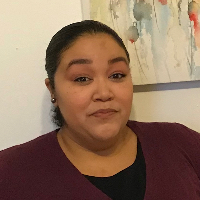
Joi Allen-Baaqee
LMHC, LPC
Massachusetts - 12 yrs exp
















How working with a female therapist typically works in Massachusetts
When you choose to work with a female therapist in Massachusetts, you are selecting a clinician whose gender identity may shape elements of your therapeutic relationship. For many people that choice supports greater comfort in discussing gender-related experiences, family and relationship dynamics, reproductive and perinatal concerns, or identity-related stress. Care is delivered through a mix of in-person sessions at local offices and remote appointments that let you connect from home or another convenient location. Therapists in the state generally hold licenses that align with Massachusetts regulations, and you can expect initial intake conversations to cover your reasons for seeking help, current challenges, relevant history, and goals for therapy.
Initial appointments are often used to build rapport and clarify how the therapist works - whether they focus on cognitive approaches, psychodynamic work, trauma-informed care, or other modalities. You can expect collaborative goal-setting and periodic reviews of progress as therapy continues. If you are in a city like Boston or Cambridge you may find clinicians with a wider range of specializations and training options, while communities in Worcester or Springfield may offer therapists whose schedules and availability better match daytime or community-based needs.
Finding specialized help for female-centered needs in Massachusetts
If you are searching for expertise tied to women’s health, perinatal support, hormonal transitions, relationship concerns, or gender-related trauma, look for therapists who state those specialties in their profiles. Many clinicians describe niches such as maternal mental health, fertility-related stress, postpartum adjustment, midlife transitions, or work with survivors of intimate partner violence. You can refine your search by reading practitioner biographies to learn about training, therapeutic approach, and populations served. In urban centers like Boston or Lowell you might encounter therapists with subspecialty training and affiliations with medical or university programs, while smaller communities may offer experienced clinicians who focus on long-term psychotherapy or community mental health settings.
Beyond stated specialties, pay attention to how therapists describe their approach to collaboration and coping strategies. Some therapists emphasize skills-based work that helps you manage symptoms and daily functioning, while others focus on deeper exploration of patterns and relationships. Both approaches can be helpful depending on what you want to change and how you prefer to work.
What to expect from online therapy with a female therapist
Online appointments make it easier to connect with a therapist from anywhere in Massachusetts, whether you live in a city neighborhood or a more rural town. When you book an online session, expect a standard structure similar to in-person care: a check-in, focused conversation about current concerns, and practical steps or reflections to carry forward between meetings. Some therapists incorporate worksheets, recorded exercises, or short skill practices you can try on your own time. You should also expect a conversation early on about policies around scheduling, cancellations, fees, and how the therapist handles communication between sessions.
Technology can make therapy more accessible, particularly if you have mobility constraints, childcare responsibilities, or irregular work hours. If you live outside Boston or Worcester and have limited local options, online sessions can connect you with clinicians who have specific experience you need. Keep in mind that state licensing rules can affect cross-state care, so if you are traveling or living part-time outside Massachusetts discuss location details with your clinician to ensure services remain appropriate.
Session flow and practical logistics
Typical sessions last 45 to 60 minutes and occur weekly or every other week at first. Over time you and your therapist will decide together whether to maintain that rhythm or adjust frequency based on your progress and life demands. You may fill out a short intake form before your first appointment to share background information and goals, and some therapists offer brief phone or video consultations to see if the fit feels right before scheduling a full session. Payment options vary, including private pay, insurance reimbursement, or sliding scale arrangements; checking insurance participation ahead of time can help you plan financially.
Signs you might benefit from working with a female therapist
You might seek a female therapist if you notice persistent patterns that interfere with daily life and relationships - difficulty regulating emotions, repeated conflicts in romantic partnerships, unresolved grief, or stress related to caregiving responsibilities. You may also look specifically for a female clinician if you want to address experiences tied to reproductive health, pregnancy, postpartum transitions, menopause, or gender-based trauma in a context where you feel understood. Other reasons include needing support for anxiety or depressive symptoms that affect your work and social life, wanting guidance through major life transitions such as divorce or career change, or seeking help to develop healthier boundaries and self-care practices. If you live in a busy urban area like Boston or a college community like Cambridge, you might also prioritize therapists who have experience addressing the pressures of academic and professional life.
Not everyone who benefits from therapy has a crisis. Many people come to therapy to gain perspective, improve communication in relationships, build resilience after a loss, or strengthen coping strategies for everyday stressors. If you feel stuck, find your usual methods of coping are less effective, or want to explore changes in identity or life direction, a female therapist can be a collaborative partner in that work.
Tips for choosing the right female therapist in Massachusetts
Start by clarifying what matters most to you - area of expertise, therapeutic approach, session format, and practical considerations like location and cost. Read profiles to learn how therapists describe their work and which populations they serve. If specialization matters - for example perinatal mental health, trauma-informed care, or couples counseling - prioritize clinicians who explicitly list that focus and describe relevant training. Consider scheduling brief consultations with two or three therapists to get a sense of their communication style and whether you feel heard and respected. Trust and rapport are central to therapeutic progress, so how you feel after an initial conversation is an important indicator.
Logistics also matter. Decide whether you prefer in-person meetings in a neighborhood office in Boston, Worcester, Springfield or a remote option that accommodates your schedule. Ask about fee structures, sliding scale availability, and insurance participation so you can plan realistically. If language, cultural background, or religious understanding are important to you, seek therapists who note experience with those dimensions of care. Finally, remember that finding the right therapist can take time - changing clinicians early in the process is a normal part of finding a good match and does not reflect failure.
Next steps and how to use this directory
Use the listings above to compare profiles, read about clinical interests and approaches, and identify therapists whose experience aligns with your needs. You can filter by location to find options in Boston, Worcester, Springfield, or other Massachusetts communities, and you can choose between in-person or online sessions depending on your schedule. When you reach out to a therapist, a brief introductory message describing your goals and availability can help you get started. Therapy is a collaborative process, and selecting a clinician who feels like a good fit is one of the most important steps you can take toward finding support and making meaningful change.