Find a Black Therapist in Massachusetts
This page lists clinicians who identify as Black Therapist and who practice with Massachusetts residents, including options for in-person and online care. Browse the listings below to compare specialties, locations, and approaches to find clinicians who match your needs.





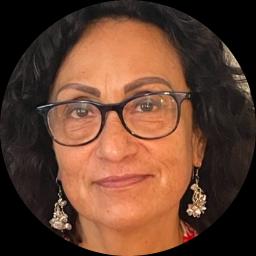
Joi Allen-Baaqee
LMHC, LPC
Massachusetts - 12 yrs exp










How Black Therapist Therapy Works for Massachusetts Residents
When you seek a Black Therapist in Massachusetts, you are looking for clinicians who bring both professional training and cultural understanding to their work. Therapy itself typically begins with an initial intake session where you and the clinician review your concerns, set goals, and discuss practical details like session frequency and fees. In Massachusetts you will find clinicians offering in-person appointments as well as remote sessions, but you should confirm that any therapist offering online care is licensed to work with residents of this state.
Therapists who list this specialty may integrate knowledge of racial identity, community context, and lived experience into traditional therapeutic approaches. That integration can shape how the clinician frames issues, understands stressors, and collaborates with you on coping strategies. Whether you live near Boston, Worcester, or Springfield, you can expect an initial conversation focused on understanding your history and priorities before moving into longer-term work.
Finding Specialized Help for Black Therapist Needs in Massachusetts
Begin your search by thinking about what matters most to you beyond cultural fit. Consider the kinds of challenges you want to address - for example, racial stress at work, family dynamics, intergenerational concerns, or life transitions - and look for clinicians who have experience with those topics. On a directory listing you can usually read short bios, see credentials, and note the therapy approaches a clinician uses. In larger communities such as Boston you will often have a wider range of clinicians and approaches, while in Worcester and Springfield you may find skilled clinicians who blend in-person practice with telehealth to increase access.
Licensing and training matter. In Massachusetts clinicians may hold credentials such as Licensed Clinical Social Worker or LICSW, Licensed Mental Health Counselor or LMHC, or be a licensed psychologist with a PhD or PsyD. These credentials indicate different training paths and scopes of practice. You can also look for additional training in culturally informed care, trauma work, or specific modalities that interest you. If language or scheduling matters, scanning profiles for those details can save time.
What to Expect from Online Therapy for Black Therapist
Online therapy can be a practical option if you live outside a major city or have a busy schedule. When you book remote sessions you can expect many of the same core elements as in-person therapy - an intake, goal setting, ongoing sessions, and periodic reviews of your progress. Technology requirements are usually straightforward: a device with a camera and microphone and a quiet place where you can speak openly. If you live in a shared home or are caring for family members, planning for a comfortable environment during sessions helps you get the most from each appointment.
Remote work also allows you to connect with clinicians across Massachusetts, which can be helpful if you live in a smaller community and want a clinician with particular experience. Therapists may offer video sessions, phone appointments, or limited messaging between sessions. Make sure you understand how the clinician handles scheduling, cancellations, and emergency contacts. It is reasonable to ask about how the clinician approaches culturally specific themes during remote sessions so you know how those conversations will be navigated online.
Common Signs You Might Benefit from Black Therapist Therapy
You might consider seeking a clinician who specializes in Black Therapist care if you find yourself facing persistent stress related to racial dynamics, feeling unseen in predominantly white spaces, or struggling with identity-related concerns. Reactions to discrimination, burnout at work, ongoing anxiety, difficulty in relationships, and unresolved grief are common reasons people pursue therapy. You may also want help processing intergenerational patterns, parenting questions, or career transitions where cultural factors play a role.
If everyday coping strategies stop helping or if emotional challenges begin to affect your work, relationships, or sense of purpose, those are practical signs that a therapeutic conversation could be helpful. Therapy does not require a crisis to be meaningful. Many people seek care earlier to build resilience, develop new communication habits, or clarify values and goals, and a clinician with cultural insight can make that process feel more relevant and respectful.
Tips for Choosing the Right Therapist in Massachusetts
Start by clarifying what you want from therapy. Once you know whether you are seeking short-term skills, long-term exploratory work, or support for specific life events, you can screen clinicians based on their stated approaches. Read bios for mentions of work with race-related stress, multicultural competence, or community-focused practice. Many clinicians mention whether they use evidence-based techniques such as cognitive-behavioral strategies, trauma-informed methods, or psychodynamic perspectives; this can help you find a fit for your goals.
Practical considerations are important. Look at location options if you prefer in-person care - neighborhoods in and around Boston may offer more in-person openings, while Worcester and Springfield often have clinicians blending clinic hours with remote sessions. Check availability, fees, and whether a clinician offers a sliding scale if cost is a concern. If you use insurance, verify that the clinician accepts your plan and ask about out-of-network options if needed. An initial consultation is a good space to ask about experience working with people who share your background, how the clinician approaches race-related themes, and what a typical early session looks like.
Trust your sense of fit. The relationship between you and the clinician is a key factor in progress. If an initial session feels off, it is okay to try another clinician. Many people benefit from meeting a few clinicians before settling into care. You can also ask for referrals from community organizations, local health centers, or friends who have had positive experiences.
Navigating Logistics and Accessibility Across Cities
Massachusetts offers a mix of urban and regional options. In Boston you will find a concentration of clinicians with varied specialties and flexible hours. In Worcester and Springfield clinician availability may vary, but remote sessions expand possibilities across the state. If commuting is a concern, remote therapy can reduce travel time while still enabling meaningful therapeutic work. Be mindful of scheduling, daytime versus evening availability, and whether a clinician offers short-notice appointments for urgent needs.
Finally, give yourself time to find the right fit. Therapy is an investment in your well-being and may evolve over months. Start with clear goals, keep open communication with your clinician about what is working, and adjust as your needs change. With thoughtful searching and a focus on cultural fit and professional credentials, you can find a Black Therapist in Massachusetts who supports your growth and helps you move toward greater balance in daily life.