Find a Veterans Therapist in Maryland
This page lists therapists in Maryland who focus on veterans' mental health, transition challenges, and trauma-related concerns. Browse the listings below to compare credentials, treatment approaches, and locations across the state.


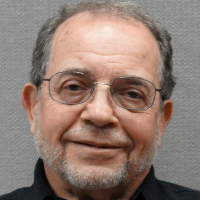

















Dr. Launa Duffy
MD, LCPC
Maryland - 4 yrs exp




How veterans therapy works for Maryland residents
If you are a veteran or caring for one, therapy in Maryland typically begins with an intake conversation to understand your background, current concerns, and goals. That first contact may take place by phone, video, or in person depending on the clinician and your needs. Therapists who specialize in working with veterans often explore military experience, transition to civilian life, relationships, and stressors related to service to build a treatment plan that fits your priorities.
In Maryland, you will find therapists practicing in community clinics, private practices, university settings and through Veterans Affairs services. Each setting has its own administrative procedures, but the therapeutic steps are similar: assessment, agreement on goals, and regular sessions that track progress. You can expect clinicians to use a blend of talk-based approaches and structured techniques that focus on managing symptoms, improving relationships, and adapting to life changes after service.
Finding specialized help for veterans in Maryland
When you search for a therapist who understands military culture and the specific challenges veterans face, look beyond general listings and read clinician profiles for relevant experience. Many therapists will note military background, years working with veterans, or additional training in trauma-focused methods. Geographic proximity may matter - you might prefer someone near Baltimore, Columbia, or Silver Spring for easier in-person visits, or you may prioritize a clinician whose experience aligns closely with your needs even if they are located in another part of the state.
Public and community resources can be useful starting points. Some organizations and clinics in Maryland maintain referral networks for veterans and may be able to recommend clinicians who are familiar with benefits, transition issues, and family dynamics after service. University clinics and training programs sometimes offer reduced-fee services provided by trainees under supervision and can be a practical option if cost is a primary concern. When you contact a prospective therapist, ask about their experience with veterans, their approach to trauma and transition, and whether they work with families and partners.
What to expect from online therapy for veterans
Online therapy has become a common option in Maryland and can expand access to clinicians who specialize in veterans' care. When you choose virtual sessions, you will typically connect by video for scheduled appointments, though phone sessions may also be available. Online therapy can offer flexibility for work schedules, caregiving responsibilities, and living farther from city centers like Annapolis or Rockville. It also makes it easier to continue with the same clinician if you move within the state or travel.
Before starting online sessions, confirm that the clinician is licensed to provide services in Maryland and ask about how they handle technical issues and appointment cancellations. You may want to set up a quiet and comfortable setting at home where you can focus during sessions, and you should discuss privacy practices with your therapist so you understand how notes and records are managed. While online therapy works well for many veterans, some topics or interventions may be recommended for in-person work depending on your needs and clinical judgment.
Benefits and considerations of online therapy
Online therapy can reduce travel time and help you access a broader range of clinicians across the state. It can be especially helpful if you live outside major urban areas or if scheduling is a barrier. At the same time, you should consider whether you have a private place to talk and a reliable internet connection. If you are dealing with intense symptoms or safety concerns, your therapist will discuss a plan for crisis support and local resources in Maryland that can assist between sessions.
Common signs that someone might benefit from veterans therapy
You might consider reaching out for veterans therapy if you notice changes in mood, sleep, or behavior that affect daily functioning. Difficulty sleeping, frequent nightmares, heightened startle response, persistent irritability, or challenges managing anger are often reasons veterans seek help. You may also find relationships have become strained, or you may feel more withdrawn and isolated than before. Transitioning from military to civilian work or education can prompt anxiety about identity, purpose, or finances, and therapy can provide strategies to navigate those changes.
Other common concerns include ongoing stress related to memories from service, trouble concentrating, increased substance use, or difficulties reestablishing routines. Family members and partners sometimes notice changes in communication or emotional availability and encourage the veteran to seek support. If you are unsure whether therapy is appropriate, a brief consultation with a clinician can clarify whether the issues you are facing are something they can help with and what kind of approach might be most effective.
Tips for choosing the right therapist for veterans care in Maryland
Choosing the right therapist is a personal decision and often involves a few practical steps. When you review profiles, pay attention to training and experience that align with veterans' needs. Look for clinicians who mention work with trauma-related concerns, military cultural competence, and experience with transition or family issues. You can also ask about specific therapeutic approaches they use, such as cognitive strategies, exposure-based methods, or therapies focused on processing traumatic memories, and inquire how they tailor treatment to each individual.
Consider logistics as well. Think about whether you prefer in-person sessions near a city such as Baltimore or Columbia, or whether online therapy fits your schedule better. Ask about session length, fees, and payment options, and whether the clinician coordinates care with other providers, such as primary care or specialty services. If you have benefits through Veterans Affairs or other programs, check how those benefits interact with a therapist's practice and whether a clinician has experience working with those systems.
Trust and rapport are central to effective therapy. It is reasonable to set up an initial appointment or consultation to see how comfortable you feel with a therapist's style and communication. Many Maryland clinicians offer brief phone calls to answer questions before you commit to regular sessions. If you begin therapy and feel it is not the right fit, it is acceptable to discuss alternatives with your clinician or seek another provider who better matches your needs.
Where to start and what to expect next
Begin by narrowing your search to clinicians who list veterans or trauma among their specialties, then reach out for an initial conversation. Prepare a few questions about experience, treatment methods, availability, and how they handle care coordination. Expect the first few sessions to focus on building rapport and gathering information so your clinician can recommend a treatment plan aligned with your goals.
As you engage in therapy, progress may be steady or variable depending on the issues you are addressing and life circumstances. Many veterans report benefits from learning new coping strategies, improving relationships, and feeling more in control of daily life once they find a therapist who understands their experience. Whether you live in an urban neighborhood near Silver Spring or in a more rural part of Maryland, there are clinicians and services that can meet a range of needs. Taking the first step to reach out and explore options is often the most important move toward better support and wellbeing.