Find a Relationship Therapist in Maryland
This page connects you with relationship therapists practicing across Maryland, including Baltimore, Columbia, and Silver Spring. You will find profiles that describe each clinician's approach, specialties, and availability. Browse the listings below to compare options and reach out to a therapist who fits your needs.
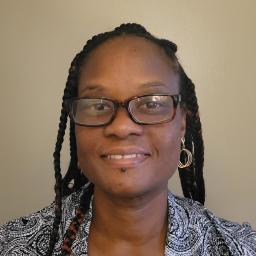








Daniel Sanchez
MD, LCPC
Maryland - 10 yrs exp














How relationship therapy works for Maryland residents
Relationship therapy is a collaborative process that helps partners explore patterns, rebuild connection, and develop new skills for relating. When you begin working with a relationship therapist in Maryland, the first few sessions often focus on understanding the history of your relationship, identifying the issues that brought you in, and clarifying what you hope to change. Therapists commonly work with couples, partners in nontraditional arrangements, and families to address communication, conflict, trust, and life transitions. Sessions can be scheduled weekly or every other week depending on your goals, and many therapists suggest an initial period of regular meetings followed by less frequent check-ins as progress is made.
Maryland has a diverse population and a range of practice settings - from community clinics to private practices and agency-based services. Your therapist will tailor methods to your situation, which may include structured communication exercises, exploring emotional patterns, and developing practical strategies for daily life. You should expect an emphasis on collaboration: your therapist will invite you to set goals together, track changes, and practice new ways of interacting between sessions.
Assessment and goal setting
Early sessions typically include an assessment of strengths, stressors, and relationship dynamics. You and your partner will be asked about your history, current concerns, and what a better relationship would look like. A clear plan with measurable goals helps you see progress. If you live or work near Baltimore or Columbia, therapists may also consider environmental factors like commuting stress, family networks, and local supports when shaping a plan that fits your life.
Finding specialized help for relationship issues in Maryland
If you are looking for specialized expertise - for example, help after infidelity, support with blended-family challenges, work on sexual intimacy, or assistance with premarital counseling - you can search for clinicians who list those specialties. Many therapists include training details and modalities on their profiles so you can find someone experienced in the approach you prefer. Consider whether you want a therapist who works primarily with couples, or one who integrates individual and couples sessions when needed.
Geographic considerations matter. You may prefer a counselor who practices near Annapolis for easier access to sessions, or a clinician in Rockville if you commute toward Montgomery County. Language and cultural competence are important - look for therapists who indicate experience with your cultural background or who offer therapy in your preferred language. If you are part of the LGBTQ+ community, seek clinicians who explicitly note experience with relationship issues in same-sex and nonbinary partnerships to ensure relevant understanding and support.
What to expect from online therapy for relationship work
Online therapy has become a common option for relationship work in Maryland, and it can be particularly helpful when partners have different schedules or when travel between Baltimore, Silver Spring, or other cities is difficult. Virtual sessions typically use video conferencing, and therapists will outline technical requirements, session length, and policies during an initial consultation. You should plan to create a comfortable environment at home where you can speak openly without interruptions.
Online work can allow you to include partners who are temporarily living elsewhere, and some therapists offer a mix of in-person and virtual sessions. Ask potential clinicians about their experience with online couples therapy, how they manage turn-taking and personal nature of sessions during virtual sessions, and what they recommend for handling emotionally intense moments over video. If you are seeking continuity while relocating within Maryland, confirm licensure and telehealth policies with the therapist so you understand how services will be provided as your situation changes.
Common signs that someone in Maryland might benefit from relationship therapy
You may find relationship therapy useful if you notice persistent patterns that feel hard to change on your own. Repeated arguments about the same topics, a growing emotional distance, or difficulty resolving conflict in ways that leave both partners feeling heard are common reasons people seek help. Other indicators include struggles with trust after breaches, ongoing dissatisfaction with intimacy, or major life transitions such as marriage, parenthood, job changes, or relocation to or from Maryland that strain the partnership.
Stress related to external pressures can also show up in your relationship. Long commutes, career demands, caregiving responsibilities, and financial concerns can erode patience and connection over time. If you live near Baltimore and find urban stressors affecting your relationship, or if a move to a suburb like Columbia has shifted routines and expectations, therapy can help you adapt to new circumstances together. Even if one partner is unsure about attending, an initial session can be an opportunity to explore options and consider a path forward.
Tips for choosing the right relationship therapist in Maryland
When you begin searching, clarify what you want from therapy. Decide whether you are seeking short-term skill building, support through a crisis, or longer-term work to reshape relational patterns. Use therapist profiles to screen for relevant experience, training, and approach. Many profiles list modalities such as emotionally focused therapy, the Gottman method, or integrative approaches; read those descriptions to see which resonate with your needs.
Practical considerations matter as well. Check whether a therapist offers evening or weekend hours if you work during the day, and look into session formats including in-person sessions in cities like Silver Spring and Rockville or virtual options that allow greater flexibility. Ask about fees, insurance acceptance, and sliding-scale options if cost is a concern. Reach out for an initial consultation - many therapists offer a brief phone or video meeting that allows you to ask about experience with your specific issues, communication style, and what a typical session will look like.
In your first conversations, assess rapport and whether you feel heard. The right fit is often about interpersonal connection as much as credentials. If you find that your values and goals align with the therapist's approach and you feel comfortable engaging in the process, that is a strong sign you have a good match. It is also acceptable to change therapists if the fit does not feel right - finding someone who can adapt to the nuances of your relationship and local context is part of effective care.
Next steps and how to use the listings
Use the directory to compare therapists' profiles, read about their specialties, and note who offers in-person sessions in your area versus online appointments. If you are near Baltimore, Columbia, or Silver Spring, consider proximity and transit options when scheduling in-person work. Reach out to a few clinicians to ask about their approach to relationship therapy, availability, and whether they have experience with issues similar to yours. Scheduling an introductory consultation is a practical way to decide who you want to work with.
Relationship challenges are common and treatable, and taking the first step to explore options can lead to meaningful change. Browse the listings below, reach out to a therapist who feels like a fit, and begin a conversation about what you want to accomplish together.