Find an Infidelity Therapist in Maryland
Explore infidelity therapists serving Maryland who focus on relationship repair, trust rebuilding, and communication skills. Browse the listings below to compare clinicians and find one who matches your needs.
















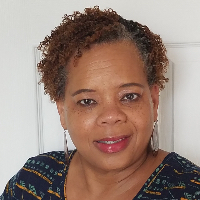



Dr. Launa Duffy
MD, LCPC
Maryland - 4 yrs exp




How infidelity therapy works for Maryland residents
If you are dealing with the aftermath of an affair or breach of trust, infidelity therapy is centered on helping you and your partner understand what happened and decide how to move forward. Therapy often begins with an initial assessment where a clinician gathers background about the relationship, the events that led to the breach, and each person’s goals. From that point a treatment plan is developed that may combine couples sessions with individual work to address emotional reactions, communication patterns, and practical steps for rebuilding trust. Sessions typically focus on creating a clearer emotional narrative, improving how you and your partner talk about painful topics, and establishing boundaries and behaviors that support healing.
Therapists trained in affair recovery draw on a range of approaches to meet your needs. Some use evidence-informed techniques for couples communication, others integrate trauma-informed methods when betrayal has led to heightened anxiety or intrusive thoughts. The pace and focus of therapy depend on your priorities - whether you want to repair the relationship, explore separation thoughtfully, or simply process what happened and your next steps. Wherever you live in Maryland, your therapist should work with you to set realistic goals and revisit them as progress is made.
Typical steps in the process
You can expect an early session to be about building safety for difficult conversations and setting agreements about how to speak about the affair within therapy. Early work often involves clarifying facts in a way that minimizes re-traumatization, establishing expectations for transparency or boundaries moving forward, and identifying the emotional needs of each partner. As therapy progresses you may practice new communication techniques, examine patterns that made the relationship vulnerable, and learn to manage intense feelings without escalating conflict. For many people, parallel individual sessions provide space to process shame, grief, or anger while couples sessions focus on shared goals.
Finding specialized help for infidelity in Maryland
When you look for a therapist in Maryland, consider licensure and training that match the needs of couples recovery. Licensed marriage and family therapists, clinical social workers, and professional counselors commonly treat infidelity, and many pursue additional training in couples therapy or trauma-informed care. You may want someone experienced with both couples work and individual trauma processing if the affair involved secrecy that has left one or both partners feeling unsafe or overwhelmed.
Geography can matter when you prefer in-person work. Practitioners in Baltimore and Columbia often serve diverse urban and suburban populations and may be familiar with local cultural and religious contexts that affect how couples approach relationships. In Silver Spring and Rockville you may find clinicians who offer flexible hours for commuters, while providers near Annapolis might be accustomed to working with clients who balance family and work commitments in different ways. If you prefer online sessions, you can expand your options across the state and choose a therapist whose approach resonates with you regardless of location.
Questions to ask when searching
When you contact a prospective therapist, asking a few focused questions can help you assess fit. Ask about their experience with affair recovery, whether they frequently work with couples, and how they balance couples and individual sessions. Inquire about their approach to rebuilding trust and whether they incorporate specific techniques for emotion regulation or trauma processing. Practical questions about fees, insurance, evening availability, and session length will help you determine whether a therapist fits your logistical needs. A short consultation can give you a sense of whether you feel heard and respected by that clinician.
What to expect from online therapy for infidelity
Online therapy can be an effective option for infidelity recovery when in-person sessions are not feasible. You should expect the same professional standards in online work as you would in an office setting. Sessions conducted by video allow you and your partner to meet from home or another comfortable environment, which can make scheduling simpler and reduce travel time. Some therapists combine video sessions with text-based messaging for brief check-ins or homework between appointments, which can help maintain momentum between sessions.
Building rapport online may feel different at first, but many couples find they can address emotionally charged topics effectively through video when the therapist facilitates careful turn-taking and ensures each person has space to speak. It is important to create a private, distraction-free setting for sessions and to agree in advance how you will handle interruptions. Online therapy is not the best choice for crisis situations that require immediate in-person support. If you or your partner are experiencing intense thoughts of self-harm or severe distress, immediate local resources should be contacted.
Common signs you might benefit from infidelity therapy
You might consider seeking help if conversations about the relationship repeatedly end in anger or avoidance, if one partner finds it difficult to trust again, or if you are unable to agree on whether to stay together. Persistent intrusive thoughts about the affair, increased secrecy, or changes in intimacy and sexual connection can all indicate unresolved issues that benefit from professional guidance. You might also notice that arguments have shifted focus - from specific behaviours to fundamental questions about values and commitment - and you need assistance steering those conversations constructively.
Other signs include feeling stuck in a cycle of blame, finding it hard to forgive or be forgiven, and experiencing ongoing emotional numbness or depression related to the breach. If the discovery of infidelity has led to new fears about financial security, co-parenting, or living arrangements, a therapist can help you develop clear communication and decision-making strategies to address those practical concerns. Therapy is a space to examine both the emotional fallout and the concrete steps needed to move forward, whatever your decision about the relationship.
Tips for choosing the right therapist for this specialty in Maryland
Start by clarifying your goals. If you want to repair the relationship, prioritize therapists who regularly conduct couples sessions and who can describe their approach to trust-building. If you need individual processing before attempting joint work, look for clinicians who offer both individual and couples appointments. Consider cultural competency and whether a therapist has experience working with clients from backgrounds similar to yours, as shared cultural context can influence expectations about fidelity and reconciliation.
Practical considerations matter as well. Check whether a therapist accepts your insurance or offers a sliding-scale fee, and whether their office location or hours fit your schedule. If you live near Baltimore, Columbia, or Silver Spring you may have a wider selection of clinicians who provide evening appointments. If you prefer a therapist who understands particular community norms or faith-based concerns, ask about experience in those areas during a preliminary call. Trust your instincts - a good fit is often a mix of professional qualifications and a relational sense of safety that allows difficult conversations to unfold.
Starting the first session
When you attend your first appointment, you should expect to review relationship history, learn how the therapist structures sessions, and discuss immediate priorities. Some therapists will assign brief exercises to practice between sessions or ask each partner to identify specific behaviors that feel reparative. It helps to enter therapy with openness to experimentation and a willingness to try new communication habits, even when it feels awkward at first. Progress is rarely linear, but regular sessions and honest engagement increase the chances of meaningful change.
Whether you are in Baltimore, Columbia, Silver Spring, Annapolis, Rockville, or elsewhere in Maryland, finding the right infidelity therapist can make a significant difference in how you and your partner navigate recovery. Use the listings on this page to compare clinicians, read about their approaches, and request consultations. Reaching out to a therapist is a practical first step toward clarity - and toward making the choices that best reflect your values and needs.