Find a First Responder Issues Therapist in Maryland
This page features therapists in Maryland who focus on first responder issues, including trauma response, chronic stress, and burnout recovery. Browse the profiles below to compare clinicians offering in-person and online appointments across the state.








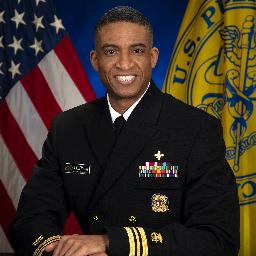







Dr. Launa Duffy
MD, LCPC
Maryland - 4 yrs exp

Dr. Lynn Duffy
MD, LCPC
Maryland - 23 yrs exp







How first responder issues therapy typically works for Maryland residents
If you are a firefighter, police officer, paramedic, corrections officer, dispatch professional, or another emergency responder in Maryland, therapy for first responder issues is tailored to the unique demands of your work. Sessions often begin with an intake conversation where a clinician asks about your work history, recent or ongoing stressors, coping strategies, and any symptoms that are affecting your life. That initial work helps the clinician understand how repeated exposure to crisis, shift work, and the culture of emergency services intersect with your wellbeing. From there, many therapists collaborate with you to set short- and longer-term goals such as reducing intrusive memories, improving sleep, managing anger, rebuilding relationships, or regaining a sense of balance between work and home life.
Finding specialized help for first responder issues in Maryland
When you look for help in Maryland, focus on clinicians who list experience with first responder populations or trauma-informed training. Licensing and credentials matter - psychologists, licensed clinical social workers, licensed professional counselors, and licensed marriage and family therapists will operate under Maryland regulations. Some clinicians will also hold specific certifications or additional training in trauma-focused approaches. You can find providers who practice in urban centers such as Baltimore and Silver Spring, suburban areas like Columbia and Rockville, or near the state capital in Annapolis. Many therapists offer options for evening or weekend appointments to accommodate variable shift schedules, and some provide consultations designed to support unit leaders or peer support teams.
Where to look and whom to ask
Start with directories that let you filter by specialty and location, then review clinician profiles for experience with first responders, law enforcement culture, or medical trauma. If you are connected to a department, union, or employee assistance program, those sources may offer referrals. You can also ask colleagues for recommendations, since peer referrals often surface clinicians who understand operational realities and the language used in emergency services. If you prefer in-person care, check availability in nearby cities; if travel is difficult because of long shifts or on-call responsibilities, online options expand the pool of clinicians you can work with.
What to expect from online therapy for first responder issues
Online therapy has become a practical option for many responders in Maryland, and it can be especially helpful if you live in a community with limited specialty services or your schedule makes it hard to attend in-person sessions. In an online session, you and your therapist meet through video or phone, and the clinician adapts therapeutic techniques for remote work. You should expect discussions about how to create a quiet personal setting during sessions, manage technology, and handle emergencies or situations that require in-person care. Therapists should explain their availability, how to reach them between sessions if needed, and their plan for crisis situations. Online care is often combined with in-person visits when appropriate, allowing you to maintain continuity even during relocation or temporary duty assignments.
Common signs that you or a colleague might benefit from first responder issues therapy
You may notice changes that suggest it is time to consider specialized support. Sleep disturbances after difficult calls, recurring images or memories that intrude into daily life, heightened startle response, or ongoing hypervigilance at home are common concerns. You might also find yourself more irritable or quick to anger, withdrawing from family and friends, or using substances more frequently to cope. At work, decreased concentration, avoidance of specific calls or tasks, or a sense that you are not performing as reliably as before can be warning signs. If relationship strain, persistent exhaustion, or feelings of numbness are affecting your wellbeing, therapy that understands first responder contexts can offer strategies to process experiences and rebuild functioning.
Approaches and what they aim to do
Therapists working with first responders often use trauma-informed frameworks that emphasize safety and collaboration. Some approaches focus on processing traumatic memories, others provide skills for emotion regulation and stress management, and some integrate family work to support relationships affected by the job. You may encounter methods that combine exposure-based work with practical strategies for sleep, breathing, and grounding. The goal is to give you tools that are immediately useful in high-stress situations while also addressing the longer term effects of repeated exposure to trauma.
Tips for choosing the right therapist in Maryland
Choosing the right clinician is a personal decision and you should feel comfortable asking questions before you commit. Consider whether the therapist has experience with first responder populations or related trauma work, and whether they understand shift work, the chain of command, and common occupational stressors. Ask about their typical session structure, approach to trauma, availability for scheduling around shifts, and whether they offer telehealth or in-person sessions near your community. You may want to know how they coordinate care if you are also working with an occupational health provider or an EAP. In metropolitan areas such as Baltimore and Silver Spring you may find a wider selection of specialists, while suburban centers like Columbia and Rockville may offer clinicians with a community-focused practice. If you live near the Eastern Shore or commute to Annapolis, online appointments can bridge geographic gaps and keep your care consistent.
Questions to feel comfortable asking
Before you begin, it is reasonable to ask how the therapist supports first responders, what outcomes they aim for, and how they handle crisis situations. You can inquire about whether they have worked with people from your specific role, whether they offer short-term focused therapy or longer-term support, and how they involve family when appropriate. If cost or insurance is a concern, ask about accepted plans, sliding-scale options, or session packages. A thorough initial conversation can help you gauge whether the clinician’s style and experience match your expectations.
Balancing care with the realities of first responder life
Balancing treatment with unpredictable schedules, overtime, and exposure to critical incidents is challenging. Many therapists who specialize in first responder issues are familiar with these constraints and will offer flexible scheduling, asynchronous check-ins, or short, focused sessions when you are in a particularly busy period. Some clinicians also provide group offerings or peer-informed sessions that connect you with colleagues facing similar stressors. You should feel empowered to set boundaries around session times and to request practical strategies that apply to your day-to-day routines on duty.
If you are exploring options, this directory can help you compare profiles and identify clinicians who list first responder experience, evening availability, or telehealth services. Whether you are in Baltimore, Columbia, Silver Spring, Annapolis, Rockville, or another Maryland community, the right match can make therapy more accessible and effective. Browse the listings to find a clinician whose expertise and approach fit your needs, and reach out to schedule an initial conversation to see if it feels like a good fit for you.