Find a Self-Harm Therapist in Maine
This directory page helps you find therapists in Maine who specialize in support for self-harm. You will see clinician profiles that note approaches, locations, and availability across the state.
Browse the listings below to compare providers and connect with a clinician who fits your needs.


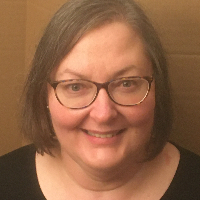

Lynn Tijssen
LCPC
Maine - 21 yrs exp





How self-harm therapy typically works for Maine residents
If you are exploring therapy for self-harm, it helps to know what a typical course of care can look like. Most clinicians begin with an intake session that focuses on assessment - getting a clear picture of current thoughts, behaviors, triggers, coping strategies, and any co-occurring concerns such as anxiety, depression, or trauma. That initial assessment is also when you and your clinician will talk about short-term safety planning and immediate supports, how often you will meet, and what goals are most important to you.
Treatment after assessment often combines skills-building, emotional processing, and practical strategies that reduce immediate risk while addressing underlying patterns. Therapy may include work on identifying triggers, learning alternatives to self-harm, improving distress tolerance, and strengthening emotion regulation. Many clinicians tailor the plan to your age, cultural background, and life context - whether you live in an urban center like Portland, in a smaller city such as Lewiston or Bangor, or in one of Maine's rural communities.
Assessment and safety planning
Early in care you can expect collaborative conversations about safety. Your therapist will ask about any recent urges or behaviors and about supports you have available. Safety planning is practical in focus and may include agreed steps you can take during moments of crisis, people to contact, and ways to make your immediate environment less likely to lead to harm. If you are ever in immediate danger you should call 911 or use the national crisis line at 988. Therapists will also discuss how they coordinate with other parts of your care team when needed, such as your primary care provider or a psychiatrist.
Finding specialized help for self-harm in Maine
When searching for a clinician in Maine, consider both training and experience. Look for therapists who list experience with self-harm, trauma, or emotion regulation on their profile. Licensure types commonly seen in Maine include licensed clinical social workers, licensed professional counselors, marriage and family therapists, and psychologists. Each licensure type has its own training pathway and scope of practice, so you may want to ask a prospective clinician about their specific background and any specialized training in evidence-informed approaches.
Geography affects access in Maine. Cities like Portland tend to have a larger pool of clinicians and more options for in-person appointments. Lewiston and Bangor also offer local resources and clinicians with relevant training. If you are in a more rural part of the state, telehealth expands your choices and can connect you to clinicians who have particular expertise in self-harm support. When you contact a clinician, ask about their experience working with people with similar needs to yours and how they coordinate crisis planning.
Working with youth and families
If you are seeking help for a young person, many therapists in Maine work with adolescents and their families to build supportive environments. Family-focused work may explore communication patterns, boundary setting, and ways caregivers can respond during moments of distress. Therapists who work with youth will usually discuss consent, personal nature of sessions boundaries, and how they will involve parents or guardians while prioritizing the young person’s voice.
What to expect from online therapy for self-harm
Online therapy can be an important option if local in-person services are limited or if scheduling and transportation are barriers. With telehealth you can meet with a therapist from your home, a workplace break room, or another quiet location. You should confirm ahead of time how the clinician handles emergency planning for online sessions, what platform they use, and whether they are licensed to practice in Maine. Most clinicians will review a plan for what to do if you become highly distressed during a session and will ask you to share your physical location and emergency contact at the start of telehealth work.
Sessions online often follow the same structure as in-person work - regular check-ins, skills practice, and processing. Some people find it easier to engage from their own space, while others prefer the structure of an office visit. If you live in Portland, Lewiston, Bangor, or another Maine community, online therapy can broaden your options without losing continuity of care. Be mindful that online therapy may not be the best option for moments of acute crisis, and you should have an agreed plan with your therapist about next steps if immediate help is needed.
Common signs someone in Maine might benefit from self-harm therapy
You might consider reaching out to a clinician if you notice persistent urges to harm yourself, if you find it difficult to cope with intense emotions, or if you are turning to self-harm as a primary way to manage stress. Changes in daily functioning such as withdrawing from school, work, or social life, an increase in risky behaviors, or ongoing feelings of shame and hopelessness are also signs that professional support could be helpful. Friends and family in Maine often notice behavioral changes before the person seeking help does, and encouraging a loved one to explore therapy can be a compassionate first step.
Recognizing signs can be different across settings. If you are a student, teacher, or employer in Portland, Lewiston, or Bangor noticing concerning signs, reach out to your local resources and encourage connection to a clinician who understands adolescent and young adult development. If you are older or experiencing long-term patterns, a therapist with experience in adult emotion regulation and coping strategies may be the right match.
Tips for choosing the right therapist for this specialty in Maine
Start by clarifying what matters most to you - clinical approach, experience with self-harm, availability for evening or weekend appointments, insurance compatibility, or a therapist’s cultural sensitivity. When you contact a clinician, ask about their training in approaches commonly used for self-harm such as skills-based therapies, trauma-informed care, or therapies that focus on emotion regulation and distress tolerance. Ask how they structure early sessions, how they handle safety planning, and how they measure progress.
Trust your first impressions. A good therapeutic fit often depends on how comfortable you feel talking openly and whether the clinician responds with curiosity and respect. If you do not feel heard or supported after a few sessions, it is reasonable to consider a different clinician. In Maine’s cities you may have more immediate options to switch, while in more rural areas telehealth can increase your choices. Discuss fees and insurance upfront so you can make practical plans that work with your budget, and ask about sliding scale options if cost is a concern.
Navigating practicalities in Maine
Licensure and insurance considerations vary by state and by plan. Confirm that a clinician is licensed to practice in Maine and that they accept your insurance if you plan to use a plan. If you are looking for low-cost options, community mental health centers and university training clinics can be resources. You may also inquire about short-term intensives or group-based skills training for emotion regulation if appropriate to your needs.
Next steps
When you are ready, use the directory listings to compare clinicians by approach, availability, and location. Reach out to a few therapists to ask preliminary questions and to get a sense of who might be the best match. Remember that finding the right therapist can take time, and it is okay to interview clinicians until you find someone you trust. If you are ever in immediate danger, call 911 or the crisis line at 988 for urgent assistance.
Whether you live near the coast, in Portland, in Lewiston, Bangor, or in another Maine community, you deserve care that meets your needs. Use the profiles on this page to connect with clinicians who specialize in self-harm support and to start building a plan that helps you stay safe and work toward your goals.