Find an Eating Disorders Therapist in Maine
This page lists therapists in Maine who specialize in eating disorders. Each profile highlights therapeutic approaches, experience, and practice locations to support your search. Browse the listings below to compare clinicians in Portland, Lewiston, Bangor, and communities across the state.








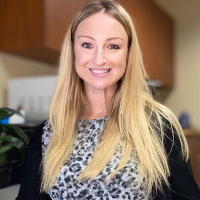
Catherine Duthie
LCPC
Maine - 18 yrs exp










How eating disorders therapy typically works for Maine residents
When you begin looking for help with an eating disorder in Maine, the first step is often an assessment to understand patterns around food, body image, mood, and daily functioning. That assessment may happen over a few sessions and helps a therapist identify the most appropriate therapeutic approaches and any additional supports you might need. Treatment tends to be collaborative - you and your clinician will set goals, monitor progress, and adjust the plan as you learn what helps and what does not. Therapy for eating disorders usually includes a combination of psychological treatment, skill-building around eating and coping, and coordination with medical or nutritional professionals when needed.
Finding specialized help for eating disorders in Maine
Specialized care for eating disorders can come from clinicians trained in approaches such as cognitive behavioral therapy, family-based treatment, dialectical behavioral techniques, or other evidence-informed models tailored to disordered eating. In Maine, you can find therapists who work in outpatient clinics, community mental health centers, private practices, and multidisciplinary teams that include dietitians and medical oversight. If you live near Portland, Lewiston, or Bangor, it is common to have more options and programs that focus specifically on eating disorders, but therapists with relevant training are available across the state, including smaller towns. Look for clinicians who list eating disorders, disordered eating, or body image as areas of focus and who describe experience working with the age group and presentation you are concerned about.
What to expect from online therapy for eating disorders
Online therapy has become a practical option for many people in Maine, especially when travel distances, weather, or limited local specialty services make in-person appointments difficult. When you choose online sessions, you can expect a format similar to in-person work: regular appointments, a comfortable and comfortable setting at both ends, goal-focused work, and homework or practice between sessions. Therapists may use video to observe behaviors around meals, coach skills in real time, and guide exposure exercises that help change unhelpful patterns. Some elements - such as medical monitoring and nutritional assessments - often work best in coordination with local providers, so your therapist may help arrange or communicate with a primary care clinician or dietitian in Portland, Lewiston, Bangor, or whichever community you reside in. Online therapy can increase access to clinicians with specialized training who are not available locally, while still emphasizing local medical follow-up when needed.
Common signs someone in Maine might benefit from eating disorders therapy
Recognizing when to seek support can be difficult. You might find therapy helpful if eating, weight, or body concerns are taking up a lot of time, interfering with relationships, school, work, or enjoyment of activities. Other signs include patterns of restrictive eating, frequent binge episodes, compensatory behaviors such as purging or misuse of laxatives, or an intense preoccupation with weight and shape that affects mood and daily routines. Physical changes such as fatigue, changes in menstrual cycles, or dental and digestive issues can accompany eating struggles, and these often warrant discussion with a medical professional as well as a therapist. If you notice these signs in yourself, a loved one, or a young person in your care, reaching out to a clinician who focuses on disordered eating can provide a timely opportunity to address symptoms and develop a plan that fits your life in Maine.
How to choose the right therapist for this specialty in Maine
Choosing a therapist feels personal and practical at the same time. Start by identifying what matters most to you - clinical approach, experience with your age group, availability for in-person or online sessions, and whether the therapist collaborates with medical and nutritional professionals. When researching profiles, pay attention to how therapists describe their work with eating disorders, whether they offer family involvement when appropriate, and how they approach relapse prevention and long-term wellbeing. If you live near urban centers like Portland, you may have options for highly specialized programs; if you live in northern or rural parts of Maine, online options can help bridge the gap. It is reasonable to ask prospective therapists about their training in eating disorder treatment, the typical length of therapy they recommend, and how they coordinate care with physicians or dietitians when necessary. Many clinicians are willing to provide a brief phone or video consultation so you can gauge fit before scheduling a first full session.
Practical considerations that matter
Practical details often determine whether therapy will feel manageable and sustainable. Consider scheduling - does the therapist offer evening or weekend hours if those work better with your job or school? Confirm how often sessions are recommended at the outset and whether the clinician provides check-ins between sessions if needed. Payment policies, insurance acceptance, sliding scale options, and cancellation policies are part of the decision process as well. If continuity of care is important because of medical complexity, ask how the therapist coordinates with local providers and whether they can support referrals to dietitians or outpatient programs in Portland, Lewiston, Bangor, or nearby regions.
Working with families and support systems in Maine
For adolescents and young adults, family involvement can be central to effective treatment. In many cases, therapy includes sessions that involve parents or caregivers to build skills around meal support, communication, and relapse prevention. For adults, involving partners or close friends can strengthen recovery by aligning expectations and creating supportive routines. If geography makes joint sessions difficult, especially when a family member lives in a different part of the state, clinicians often use combined in-person and online methods to include key people in treatment. Maine communities tend to value collaborative care, so ask about family-focused options when exploring providers.
Steps to get started
Beginning the search can feel overwhelming, but taking it one step at a time helps. Narrow the field by focusing on providers who list eating disorders as a specialty and then check for experience with the specific patterns you are seeing - for example, anorexia, bulimia, binge eating, or other disordered eating behaviors. Reach out with an initial message or phone call to ask a few key questions about approach and availability, and see how the therapist responds. Trust your instincts about fit - the relationship between you and your therapist is one of the strongest predictors of progress. If an approach does not feel right after a few sessions, it is acceptable to discuss adjustments or to seek another clinician who aligns more closely with your needs.
Living well with ongoing support
Recovery from an eating disorder is often non-linear. You may make steady gains, encounter setbacks, and need periodic adjustments to your care plan. A good therapist will help you build skills for managing triggers, sustaining healthy habits, and navigating stressful times such as school transitions, job changes, or family events. In Maine, the mix of urban and rural communities means care can look different depending on where you live, but the core work - building body awareness, improving relationships with food, and strengthening coping strategies - remains consistent. With the right clinician and a supportive plan, many people find meaningful improvements in wellbeing and daily functioning.
When you are ready, use the listings above to reach out to clinicians in Portland, Lewiston, Bangor, or the wider Maine community. Taking that first step to connect with a therapist can open a path toward clearer goals, better tools, and a stronger sense of control over eating and health.