Find an Emotionally-Focused Therapy (EFT) Therapist in Louisiana
Emotionally-Focused Therapy (EFT) is a research-informed approach that helps people and couples identify and shift patterns driven by emotion to strengthen relationships and personal well-being. Explore qualified EFT practitioners across Louisiana and use the listings below to compare profiles and connect with a therapist.

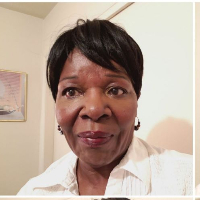

Wendi Lemoine
LCSW
Louisiana - 10 yrs exp















What Emotionally-Focused Therapy (EFT) is
Emotionally-Focused Therapy, often called EFT, is an approach rooted in the idea that emotions shape how you relate to others and to yourself. Therapists trained in EFT work with you to identify underlying emotional patterns that drive behavior, then gently guide you to experience, name, and transform those emotions so you can respond differently in relationships. The work is experiential - that means a focus on felt experience in the moment - and it draws on principles from attachment theory to help you build more secure connections with important people in your life.
Core principles of the approach
At its heart, EFT treats emotion as both the problem and the path to change. Rather than only focusing on thoughts or behavior, EFT helps you notice the emotional experiences that trigger reactivity, withdrawal, or shutting down. Your therapist helps you access those emotions in the therapy room, explore their meaning, and experiment with new responses. This process tends to shift interaction patterns that have become stuck over time and can create greater safety in relationships by changing how you signal needs and respond to each other.
How therapists use EFT in Louisiana
Therapists practicing EFT in Louisiana apply the same guiding principles while adapting to the local culture and context. In New Orleans, therapists might combine EFT with sensitivity to cultural traditions, family structures, and community strengths. In Baton Rouge and Shreveport, clinicians often work in both urban and suburban settings and may balance couples work with individual therapy focused on attachment history. In Lafayette and other regions, bilingual or culturally informed clinicians may integrate regional family dynamics and language preferences to make the work more resonant. Across the state, many EFT therapists offer both in-person and online sessions, allowing you to choose what feels most practical and comfortable.
Issues commonly addressed with EFT
EFT is most widely known for its application in couples therapy, where it is used to treat relationship distress, frequent conflict, patterns of criticism and withdrawal, and the aftermath of breaches of trust. Beyond couples work, therapists use EFT with individuals who are dealing with grief, anxiety, low mood, attachment wounds, or the emotional fallout of major life transitions. Parents and caregivers sometimes seek EFT-informed work to increase emotional attunement with their children, and many therapists integrate EFT methods with trauma-informed care when attachment disruptions are part of a person’s history. While outcomes vary, the approach is valued for helping people change the way they experience and express primary emotions - those core feelings that connect you to others.
What a typical EFT session looks like online
If you choose an online EFT session, you can expect a structured yet emotionally open environment. Sessions commonly last 50 to 60 minutes and begin with a check-in on how you’ve been feeling and any recent interactions that brought up strong emotions. Your therapist will invite you to slow down and notice bodily sensations, feelings, and the thoughts that follow. In couples sessions, the therapist may guide an enactment - a live conversation where each partner speaks from a place of primary emotion while the other listens, and the therapist coaches new patterns of response. In individual sessions the therapist may ask you to speak to an imagined other or to parts of yourself to access deeper emotion. Online sessions require a reliable connection, a quiet area where you feel comfortable, and a camera angle that allows for natural interaction. Many therapists will troubleshoot technology at the start and agree together on how to handle interruptions so that you can focus on the emotional work without distraction.
Who is a good candidate for EFT
You may be a good candidate for EFT if you are motivated to explore your emotional life and willing to experiment with new ways of relating. Couples who feel stuck in repetitive cycles of blame, avoidance, or conflict often find EFT helpful because it focuses on the emotions under those cycles rather than only the surface behaviors. Individuals who are curious about how attachment history influences their current relationships can also benefit, as can people looking for therapy that prioritizes emotional experience and interpersonal patterns. If you prefer a therapy that is more directive or skills-based, you might ask therapists how they integrate EFT with cognitive or behavioral techniques so you can choose the balance that fits your needs.
How to find the right EFT therapist in Louisiana
Start by looking for clinicians who list EFT training or certification on their profiles, and read therapist bios for mentions of couples work, attachment-focused practice, or experience with issues similar to yours. Consider practical details such as whether the therapist offers in-person sessions in New Orleans, Baton Rouge, Shreveport, Lafayette or telehealth across the state, what their fee structure looks like, and whether they work with individuals, couples, or families. It can help to schedule an initial consultation - many therapists offer brief phone or video calls - so you can ask about their experience with EFT, what a typical course of therapy looks like, and how they handle sensitive moments in the room. Ask how they incorporate cultural context and whether they have experience with issues that matter to you, such as bereavement, major transitions, parenting challenges, or the effects of community-wide stressors like natural disasters.
When you review listings, pay attention to how therapists describe their approach and the populations they serve. You may want someone who emphasizes experiential, emotion-focused work, or you may prefer a clinician who combines EFT with other modalities. Availability and logistical fit matter too - consider location, evening or weekend appointments, and whether online sessions are an option if you live outside a metropolitan area. If language access is important, look for therapists who offer services in the language you prefer. Checking licensure and professional credentials ensures that the practitioner meets state requirements for clinical practice.
Getting started
Finding the right EFT therapist is both a practical and personal process. Use the directory listings to narrow your search, read therapist profiles for fit, and reach out for an initial conversation to see how you feel with a particular clinician. Whether you are searching in New Orleans’ historic neighborhoods, the college towns around Baton Rouge, the communities of Shreveport, or the growing areas near Lafayette, there are therapists who tailor EFT to Louisiana’s cultural landscape. Starting with a short call or an introductory session can give you a sense of how a therapist works and whether their approach resonates with what you hope to change.
When you are ready, browse the listings above to compare backgrounds, specialties, and availability, then reach out to schedule a consultation. EFT is a process that asks you to engage with emotion in a new way - the right therapist can guide you through that experience with skill, patience, and respect for your context and values.