Find an LGBT Therapist in Louisiana
This page connects you with licensed clinicians in Louisiana who specialize in LGBT care, including practitioners serving New Orleans, Baton Rouge, Shreveport, and Lafayette. Browse the listings below to compare specialties, approaches, and locations to find a therapist who fits your needs.



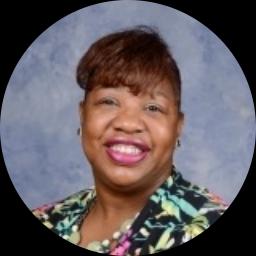
Wendi Lemoine
LCSW
Louisiana - 10 yrs exp












How LGBT therapy typically works for Louisiana residents
If you are looking for LGBT-focused therapy in Louisiana, you will find that many practitioners combine standard therapeutic approaches with an understanding of the unique stresses faced by sexual and gender minority communities. Therapy usually begins with an initial consultation - either by phone or video - where you and the clinician discuss presenting concerns, goals, scheduling, and practical matters like fees and insurance. After that first session you and the therapist develop a plan that may include weekly or biweekly meetings, tailored interventions, and referrals to community resources when needed.
Therapists who specialize in LGBT issues often have training in affirming practices, gender-affirming care, identity development, and trauma-informed approaches. They may work from cognitive-behavioral, psychodynamic, narrative, or integrative frameworks - or combine elements of several - depending on what fits your preferences and needs. In Louisiana the experience of therapy can look different depending on whether you are in a larger metro area like New Orleans or a smaller community; many clinicians are mindful of cultural, religious, and regional factors that influence how identity and relationships are experienced.
Finding specialized help for LGBT concerns in Louisiana
When you begin searching for a therapist in Louisiana, focus on credentials and experience that match your priorities. Look for licensed mental health professionals such as licensed clinical social workers, licensed professional counselors, psychologists, or marriage and family therapists who list LGBT competencies or who explicitly state an affirming practice. Profiles often mention specializations like coming out support, relationship counseling for same-sex couples, gender exploration, or support during medical transition. If you live near New Orleans or Baton Rouge you may find a wider range of in-person options, while teletherapy increases access for people living across the state.
Local community centers, college counseling services, and LGBT organizations in cities such as New Orleans, Baton Rouge, Shreveport, and Lafayette can be useful sources of referrals and information about clinicians who focus on sexual and gender diversity. When you read a therapist profile, note whether they describe experience with intersectional issues - for example, how race, religion, socioeconomic status, or immigration status interact with sexual and gender identity - since that context often matters in Louisiana communities.
Local considerations
Louisiana has a mix of urban and rural environments, and cultural attitudes can vary from parish to parish. In New Orleans you may find a broad network of clinicians and community support that is openly oriented toward LGBT life. In smaller cities or rural areas you might encounter fewer therapists who specialize in LGBT care, but many clinicians offer affirming services and can work with you effectively. If living near Baton Rouge or Shreveport, check for clinicians who have experience working with specific populations you identify with - such as youth, older adults, or couples - and who understand local institutions, families, and faith communities.
What to expect from online therapy for LGBT clients in Louisiana
Online therapy can be a practical option if you have limited local choices, busy schedules, or prefer remote sessions. Many therapists offer video or phone appointments that allow you to connect from home, from a car between obligations, or from another private space. Virtual sessions tend to follow the same structure as in-person therapy - intake, regular sessions, progress discussions - and can be just as effective for many concerns when you and the clinician build rapport and maintain consistent attendance.
Before booking online, confirm logistical details like appointment platform, payment methods, cancellation policies, and whether the therapist accepts your insurance or offers a sliding scale. You should also ask about the therapist's experience with remote work and how they handle boundaries and emergencies. If you live in Louisiana but are temporarily out of state, check whether the clinician is able to offer care across state lines - licensing rules can affect where a therapist can legally practice. Online therapy also makes it easier to access specialists who work with transgender or nonbinary clients, or who offer expertise in relationship dynamics specific to LGBT couples.
Common signs that someone in Louisiana might benefit from LGBT therapy
You might consider seeking LGBT-focused therapy if you are experiencing persistent anxiety, low mood, or stress related to identity, relationships, or discrimination. Coming out can be emotionally complex - you may want support with planning conversations, coping with reactions from family or community members, or managing internalized stigma. Relationship challenges that involve communication patterns, infidelity, or disagreements about parenting and family roles can also benefit from a therapist who understands same-sex partnerships and diverse family structures.
Other indications that therapy could help include feeling isolated or disconnected from community, struggling with body image or sexual health concerns, or facing questions about gender identity and transition. If you are a parent or family member trying to support an LGBT loved one, therapy can provide guidance on communication, boundaries, and advocacy. Therapy is not only for crisis moments - many people engage with a clinician to build coping skills, strengthen resilience, and deepen self-understanding in a welcoming setting.
Tips for choosing the right LGBT therapist in Louisiana
Start by identifying what matters most to you - whether that is experience with transgender care, couples therapy, youth counseling, trauma, or culturally competent work with specific racial or religious communities. Read clinician profiles closely to learn about training, modalities, and population focus. When you contact a therapist, ask a few direct questions about their experience with LGBT clients, how they approach topics like coming out or transition, and what a typical session looks like. Trust your sense of fit - it is normal to try a few clinicians before finding someone who feels like the right match.
Practical considerations are important too. Consider location and availability if you prefer in-person sessions, or ask about teletherapy options if travel is difficult. Discuss fees and insurance up front so there are no surprises, and inquire about sliding scale options if cost is a concern. If you have a specific therapist in mind, ask whether they collaborate with other providers - for example, medical or legal professionals who work with transgender clients - because coordinated care can simplify complex processes.
Preparing for your first session
Before your first appointment, think about the concerns you want to prioritize and any immediate goals you have. You may want to jot down recent examples of stressors or relationship patterns, relevant medical or mental health history, and questions for the therapist about their approach. Arrive a few minutes early for a teletherapy session to test your connection and find a comfortable environment where you can speak freely. Remember that the first few sessions are an opportunity to assess rapport, discuss goals, and decide whether to continue with that clinician.
Making the most of therapy in Louisiana
Therapy is a collaborative process that works best when you feel heard and understood. If you are in an environment where identity-related stress is high, a therapist can help you develop coping strategies, strengthen relationships, and plan steps for change that fit your life. Whether you are in New Orleans looking for an in-person community or in a smaller parish seeking online support, there are clinicians in Louisiana ready to help with LGBT-specific concerns. Use listings and profiles to compare approaches, and give yourself permission to invest time in finding a therapist who meets your needs and respects your experience.