Find an OCD Therapist in Kentucky
This page connects visitors with therapists who specialize in obsessive-compulsive disorder (OCD) in Kentucky. Browse the therapist listings below to compare approaches, credentials, and availability across the state.












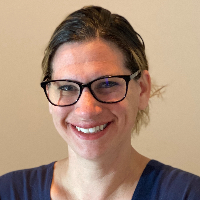
Kelly Mitchell
LPCC
Kentucky - 13 yrs exp










How OCD therapy typically works for Kentucky residents
When you begin OCD-focused therapy in Kentucky, the process usually starts with an initial assessment to clarify the nature of your symptoms and how they affect daily life. That assessment helps the clinician tailor a plan that may include evidence-based approaches such as cognitive behavioral therapy with a focus on exposure and response prevention, acceptance-based strategies to build tolerance for distressing thoughts, and skills training to manage anxiety. Treatment is structured around goals you identify together with the clinician, and sessions often combine education about OCD, practice of skills in session, and carefully guided real-world exposures between sessions.
Therapy timelines vary depending on symptom severity, prior treatment, and how consistently you are able to practice between sessions. Many people see meaningful changes within a few months of regular, targeted work, while others benefit from longer-term support that addresses co-occurring concerns like anxiety, depression, or relationship strain. Throughout the process, you and your clinician will track progress and adjust strategies to match what is helping most.
Finding specialized help for OCD in Kentucky
Finding a clinician who has specific training and experience with OCD can make a significant difference in outcomes. When searching in Kentucky, look for clinicians who list exposure and response prevention or OCD-specific cognitive behavioral therapy on their profiles, and who describe experience treating the range of OCD presentations from intrusive thoughts to ritual behaviors. Larger cities such as Louisville and Lexington usually offer a wider selection of specialists, while smaller communities and college towns may have fewer options but often include clinicians with training in evidence-based approaches.
If you live outside urban centers like Bowling Green or Covington, teletherapy can broaden your access to specialists. Keep in mind that some clinicians split time between private practice and community agencies or university training clinics, which can provide different models of care and price points. Reaching out to several clinicians with a brief phone call or message to ask about their approach to OCD can give you a sense of fit before scheduling a first session.
What to expect from online therapy for OCD
Online therapy has become a routine part of mental health care in Kentucky and can be an effective format for OCD treatment. You can expect many of the same core elements as in-person treatment - assessment, education, cognitive work, and exposure practice - adapted for a remote setting. Clinicians may guide exposures that you complete in your home or community, and they can coach you through exercises in real time over video. Online sessions can be especially helpful when travel or caregiving responsibilities make in-person appointments difficult.
Before beginning teletherapy, check practical details such as the clinician's availability for video sessions, how they handle missed sessions, and what options exist if you need more intensive support. It is also useful to discuss how homework or between-session practice will be assigned and reviewed. If you live in a rural area of Kentucky, online care may provide access to clinicians who specialize in OCD and who would otherwise be unavailable within a reasonable drive.
Licensure and legal considerations for online care
Therapists who provide online sessions must follow state regulations. If you plan to work with a clinician across state lines, confirm that they are authorized to treat residents of Kentucky. Asking about their experience delivering teletherapy and how they handle emergencies or referrals in your area can clarify what to expect in a remote format.
Common signs that someone in Kentucky might benefit from OCD therapy
You may consider seeking OCD-focused care if intrusive thoughts or repetitive behaviors are taking up significant time, causing distress, or getting in the way of work, school, relationships, or responsibilities. Signs include persistent, unwanted thoughts that you try to suppress; repetitive actions performed to reduce anxiety or prevent feared outcomes; avoidance of situations that trigger obsessions; and ritualized mental habits that interrupt daily life. Even if symptoms feel private or embarrassing, many people find that speaking with a clinician who understands OCD normalizes the experience and leads to practical strategies to reduce distress.
OCD can appear in many forms, from visible rituals to internal mental processes that are harder to see. It is also common for OCD to occur alongside other concerns such as generalized anxiety, mood changes, or substance use. Early evaluation can help determine which treatment strategies are most appropriate for your situation and whether coordination with other health providers is recommended.
Tips for choosing the right therapist for OCD in Kentucky
Choosing a therapist is both practical and personal. Begin by identifying clinicians who list training in OCD-specific methods and then reach out to ask focused questions about their experience. You might ask how they structure exposure-based work, how they monitor progress, and how they handle sessions when symptoms feel overwhelming. Consider whether you prefer a clinician with a background in psychology, counseling, social work, or another discipline, and whether you want experience working with adults, adolescents, or families.
Practical factors such as location, scheduling, insurance acceptance, and session fees matter. In Louisville and Lexington, you may have greater flexibility in appointment times and more therapists accepting insurance, while in smaller communities you may prioritize clinicians offering online sessions or evening hours. Some clinicians offer sliding scale fees or work through community clinics, so it can be worthwhile to ask about affordability options. Equally important is the personal fit - a clinician who listens, explains approaches clearly, and whom you feel comfortable collaborating with will often support better engagement in treatment.
Preparing for your first sessions
Before the first appointment, consider what you want to accomplish in therapy and any previous treatments that were tried. Bringing examples of situations that trigger symptoms and noting how they impact daily routines will help your clinician design relevant interventions. Be prepared to discuss current stressors, medical history, and goals for change. If you are considering medication or already working with a prescriber in Kentucky, letting your therapist know about coordinating care can support a comprehensive plan.
Practical next steps and local considerations
Start by browsing profiles and narrowing candidates based on approach, availability, and proximity or teletherapy options. If you live in or near cities like Bowling Green or Covington, you may find in-person specialists within a reasonable distance, while those in more rural counties can expand their search to include online clinicians. Scheduling an initial consultation call can reveal how a clinician explains OCD treatment and whether their style aligns with your preferences.
Ongoing progress typically depends on consistent practice and open communication with your therapist. If you find that a particular approach or clinician is not the right fit, it is reasonable to try a different clinician or ask for a referral. Finding the right match can help you engage confidently in the focused work OCD treatment requires, whether you pursue in-person sessions in Kentucky or connect with a specialist online.
Seeking help is the first step toward reducing the hold that obsessive and compulsive symptoms may have on your life. With targeted treatment, clear goals, and a clinician who understands OCD, you can develop tools to manage symptoms and regain time and energy for the things that matter most to you.