Find an Adoption Therapist in Kentucky
This page lists adoption-focused therapists serving Kentucky, including clinicians who work with adoptive parents, adoptees, and families across the state. Use the listings below to compare credentials, specialties, and availability and to connect with a clinician who meets your needs.






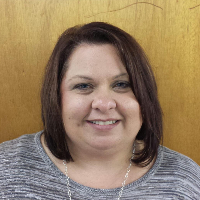
Twila Hartmans
LMFT
Kentucky - 27 yrs exp

















How adoption therapy can help Kentucky families
Adoption brings joy and challenges in equal measure, and therapy can be an important resource whether you are preparing for placement, navigating early adjustment, or addressing issues years after adoption. In Kentucky, adoption therapy often addresses attachment and bonding, identity questions for adoptees, grief related to loss or separation, and relationship dynamics among parents, children, and extended family. Therapy is meant to offer practical strategies for everyday parenting as well as a space to process emotions that can be intense and sometimes unexpected.
When you seek adoption therapy you are choosing a process that focuses both on healing and on skill building. A clinician will typically assess individual and family needs, help you identify short-term goals, and develop a plan that may include child-focused sessions, parent coaching, and family meetings. In many cases the clinician will collaborate with schools, pediatricians, or adoption agencies to create consistent supports across the places your child spends time.
Finding specialized adoption help in Kentucky
Not all clinicians have specific adoption experience, so it is useful to look for someone who lists adoption, attachment, or post-adoption issues among their specialties. You can begin by searching city-based listings if you prefer in-person care - many families in Louisville, Lexington, Bowling Green, and Covington find local therapists who understand regional resources. If geography limits your options, consider clinicians who offer remote sessions as a complement to occasional in-person meetings.
When evaluating therapists in Kentucky, look for clear information about their training and the populations they serve. Many adoption-experienced clinicians have training in trauma-informed care, attachment-focused interventions, or family systems approaches. You may want to ask whether they work with children of specific ages, with transracial or international adoptions, or with issues like identity exploration and reunification questions. Experience with adoption means the clinician understands adoption-specific terminology, legal considerations, and the emotional landscape that adoptive families often navigate.
What to expect from online adoption therapy
Online therapy has expanded access to adoption specialists for people across Kentucky, including those living in rural areas. When you choose teletherapy, sessions usually take place via video and follow a similar rhythm to in-person care - check-in, review of progress, targeted interventions, and planning for the next steps. For child-centered work, clinicians often incorporate play-based or expressive methods adapted for video, and they may coach parents in vivo as they practice new responses with their child.
Before starting online services, confirm technical and logistical details such as platform requirements and session length. Discuss how the clinician handles emergencies and what local resources they will engage if you need in-person support. For families in Kentucky, particularly in smaller towns, clinicians may combine online sessions with occasional in-person visits to build rapport or to conduct assessments that are more effective face-to-face.
Common signs that adoption therapy may help
You might consider adoption therapy if you notice persistent struggles that affect daily life or family relationships. For children, this can show up as difficulty with emotional regulation, trouble connecting with caregivers, avoidance of conversations about adoption, or behavioral changes after adoption-related milestones. For parents, signs include ongoing anxiety about attachment, difficulty setting boundaries or routines, feelings of grief or unresolved loss, and challenges navigating relationships with birth family members.
Adolescents and adult adoptees may seek therapy when questions about identity, belonging, or contact with birth family become prominent. If you find that adoption-related topics trigger recurring conflict or distress in your household, or if you want tools to support a child through transitions like starting school or puberty, targeted therapy can be helpful. Seeking help early often makes interventions more effective, but it is never too late to address longstanding concerns.
How to choose the right adoption therapist in Kentucky
Choosing a therapist is a personal decision and you should feel that the clinician understands your priorities and communicates clearly about their approach. Begin by looking for clinicians who describe adoption work explicitly and who have relevant training or supervision. You can also inquire about their experience with families similar to yours - for example, transracial adoption, foster-to-adopt situations, international placements, or kinship adoptions.
Ask about typical session structure, therapeutic models they use, and whether they involve the whole family or focus primarily on the child or adoptive parent. Talk with the clinician about measurable goals and how you will track progress. Practical questions are important too - find out about fees, insurance acceptance, sliding scale options, and cancellation policies. If you live near a hub like Louisville or Lexington you may have more in-person options, while those in outlying counties may rely more on clinicians who offer online appointments.
Questions to ask during an initial call
During an initial consultation or phone call you can learn a lot about fit. Ask how long the clinician has worked with adoption-related concerns, what interventions they tend to recommend, and how they handle sensitive topics such as reunification contact or difficult conversations with birth family members. Clarify whether they provide parent coaching, whether they will work with schools or pediatricians, and how they involve children of different ages. Trust your instincts about whether their style feels like a match for your family.
Practical considerations for Kentucky residents
Kentucky has a mix of urban and rural communities, so practical access to adoption specialists varies by region. Larger cities such as Louisville, Lexington, and Bowling Green often have clinicians with concentrated experience in adoption and related specialties. If you live in a smaller town, teletherapy expands your options and can connect you to clinicians who understand adoption across cultural and legal contexts.
Consider logistics such as appointment times that fit around school and work schedules, as well as whether you will need evening or weekend availability. If you work with insurance, confirm the clinician s credentials and whether their licensure aligns with your plan s requirements. Some clinicians offer brief consultations at low cost so you can determine fit before committing to ongoing sessions.
Building a long-term support plan
Adoption-related needs can evolve over months and years. You may start with short-term therapy to stabilize intense emotions, then move to periodic check-ins during key transitions like starting school or adolescence. Some families benefit from combined approaches - for example, individual therapy for a child alongside parent coaching or family sessions to address dynamics. Many clinicians also recommend community supports such as peer groups, educational workshops, and school-based resources to complement therapy.
As you engage in therapy keep a focus on practical skills you can use at home - emotion coaching, consistent routines, and communication strategies are often the most helpful tools for daily life. A skilled adoption clinician will help you translate therapeutic insights into concrete parenting practices while respecting the unique story of your family.
Taking the next step
When you are ready to connect with a clinician, use the listings on this page to compare profiles, read descriptions of specialties, and request consultations. Whether you live in an urban center or a rural county, you can find adoption-focused help that fits your family s needs and schedule. Reaching out for support is a proactive step toward strengthening relationships and navigating adoption with greater confidence and resilience.