Find a Control Issues Therapist in Kansas
This page lists licensed therapists in Kansas who specialize in control issues and related challenges, with profiles and practice information to review. Browse the listings below to compare clinicians in Wichita, Overland Park, Kansas City and other communities and reach out to those who seem like a good fit.
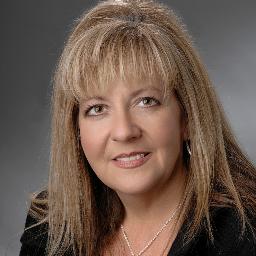




Gordon Pfannenstiel
LCPC
Kansas - 15 yrs exp















How control issues therapy typically works for Kansas residents
If you are seeking help with control issues in Kansas, therapy will usually begin with an initial assessment to clarify the patterns that are causing distress. That first conversation gives you and the clinician a chance to outline specific goals - for example reducing the urge to micromanage relationships, easing anxiety around uncertainty, or learning new ways to delegate and trust others. Over subsequent sessions you will explore the thoughts and experiences that drive controlling behaviors, practice alternative ways of responding, and build coping strategies that fit your daily life in Kansas. Many therapists combine skill-building with opportunities to reflect on deeper emotional needs, so the work can address both immediate habits and their underlying roots.
The cadence of therapy depends on what you prefer and what the therapist recommends. Some people meet weekly to build momentum, while others start every other week once skills are established. If you live in a more rural area of the state, scheduling and session frequency may be adjusted to accommodate travel or work commitments. Therapists across Wichita, Overland Park and Kansas City are accustomed to tailoring plans that fit local schedules and community rhythms.
Therapeutic approaches that help with control issues
You will often encounter evidence-based approaches such as cognitive behavioral strategies that target unhelpful thinking and behavior cycles, and techniques that focus on emotional regulation and stress management. Therapists may also integrate interpersonal work to improve communication and boundary-setting, especially when control issues impact family dynamics or work relationships. Some clinicians use experiential methods to help you practice tolerance for uncertainty in a supportive setting, while others include mindfulness-based skills to reduce reactivity. A skilled therapist adapts methods to your personality, cultural background and daily demands so the tools are practical and sustainable.
Finding specialized help for control issues in Kansas
When searching for a therapist in Kansas, look for clinicians who list control issues, anxiety, or relationship difficulties among their specialties. Many therapists include short bios that outline their training, typical client concerns and therapeutic style. If you live near Wichita, Overland Park or the Kansas City area, you may have more options for in-person appointments and a wider variety of specialization. In more remote counties, consider clinicians who offer flexible hours or hybrid models that combine occasional in-person visits with remote sessions.
Licensure and fit both matter. Confirm that a clinician is licensed to practice in Kansas and that their training aligns with your needs. You can often get a sense of fit during a brief phone call or initial consultation - use that time to ask how they approach control issues, what a typical session looks like, and how progress is measured. Clear communication about expectations at the start can save time and improve outcomes.
What to expect from online therapy for control issues
Online therapy can make it easier for you to access specialized help across the state without long travel. If you live outside a major city, remote sessions can connect you with clinicians based in Wichita, Overland Park or Kansas City who have expertise in control-related concerns. During online therapy you can expect many of the same components as in-person care - assessment, skill-building, reflective work and homework exercises - delivered through video or phone.
Before beginning online sessions, verify practical details like the clinician's hours, cancellation policy and whether they are licensed to practice with Kansas residents. Establishing a comfortable environment for sessions is important - choose a quiet, distraction-free spot and let household members know when you are in a session if that feels appropriate. You may find that working from home makes it simpler to apply strategies in real time, such as trying a new breathing technique before a triggering situation or practicing a communication script between sessions.
Common signs that someone in Kansas might benefit from control issues therapy
There are several patterns that may indicate therapy would be helpful. You might notice persistent anxiety when plans change, or a strong need to oversee others' tasks to feel calm. Relationships may feel strained because of frequent criticism, over-monitoring, or difficulty delegating. You may also experience burnout because taking on responsibility feels safer than relying on others. In work settings, control issues can show up as difficulty trusting team members or an inability to step back from tasks even when overwhelmed. If these patterns limit your daily functioning or reduce life satisfaction, therapy can offer practical strategies and new perspectives.
Recognizing these signs early can help you find support before stress accumulates. In cities like Wichita or Kansas City, you may find employers and community organizations that offer resources or referrals. In smaller towns, a local therapist can help you develop manageable changes that respect community norms and family roles.
How to tell when online or in-person therapy is best for you
Your circumstances will guide this choice. If proximity to a specialist matters or if you prefer face-to-face interaction, seek clinicians with offices in Wichita, Overland Park or nearby. If scheduling, mobility or access are barriers, online therapy can be an effective alternative that keeps progress moving. Some people choose a hybrid arrangement - occasional in-person visits to build rapport and online sessions for convenience. Discuss these options with potential therapists to find an arrangement that supports consistent work toward your goals.
Tips for choosing the right therapist for control issues in Kansas
Start by clarifying what you want to change and what qualities feel important in a clinician - for example, a direct approach, a warm style, or experience with family systems. Read therapist profiles to find mentions of control- related experience, cognitive-behavioral training, or work with anxiety and relationship patterns. Use introductory calls to assess whether the therapist listens without judgment and offers practical tools you can try between sessions. Consider logistics like availability, fees and whether they accept your payment method. If location matters, look for clinicians who practice in Wichita, Overland Park or Kansas City for easier in-person scheduling, or select someone who offers reliable online appointments if travel is limited.
Trust your instincts if a first therapist does not feel like the right match. It is common to try a few clinicians before finding the right fit, and switching is part of advocating for your needs. Therapists routinely welcome questions about their approach and about how they measure progress, so use that openness to find someone who aligns with your goals and lifestyle in Kansas.
Next steps
Once you have reviewed profiles and read clinician descriptions, reach out for a brief consultation to discuss your concerns and ask about treatment approach. Prepare a short summary of what you want to change and any scheduling needs. Starting therapy is a practical step that can help you develop new ways of coping, improve relationships and regain a sense of ease when things do not go as planned. Whether you connect with a local clinician in Wichita, meet someone in Overland Park or work with a therapist online from a smaller town, consistent effort and a good fit can make a meaningful difference in how you relate to control and uncertainty.