Find a Coaching Therapist in Kansas
This page lists coaching therapists who work with individuals across Kansas, including Wichita, Overland Park, and Kansas City. Review profiles below to find a coach who matches your goals and connect with them to learn more.




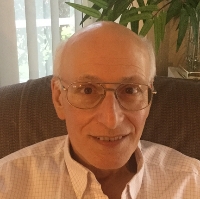
Gordon Pfannenstiel
LCPC
Kansas - 15 yrs exp


















Understanding coaching therapy and how it works for Kansas residents
Coaching therapy blends the goal-oriented focus of coaching with therapeutic techniques aimed at helping you make meaningful changes in your life. In Kansas, people come to coaching therapists for help with career transitions, leadership development, goal-setting, and personal growth. A coaching therapist works with you to identify priorities, clarify values, and build practical skills so you can take steps that feel doable and aligned with your long-term aims.
Sessions are typically structured around measurable objectives. Early meetings often include a conversation about your history, current challenges, and what success would look like. From there your coach helps you break larger goals into smaller, actionable steps, offers feedback, and holds you accountable. The pace and methods vary depending on your needs - some people want short-term work focused on a specific project, while others engage in longer-term work to shift patterns and strengthen resilience.
Finding specialized coaching help in Kansas
Coaching covers many specialties, and finding someone who fits your situation can make a big difference. If your priority is career advancement, look for therapists who combine career coaching with counseling skills. If you are an executive or entrepreneur, seek coaches who emphasize leadership development and organizational dynamics. For life transitions - moving, changing relationships, or adjusting after loss - find a coach who integrates practical planning with emotional support.
Where you live in Kansas can shape what resources are available and how you access them. In larger cities like Wichita, Overland Park, and Kansas City you will often find a wider range of specialties and experience levels. In smaller communities you may find highly skilled coaches who offer flexible scheduling and strong local knowledge. If location matters, use the listings to narrow by city or to find professionals who offer remote sessions across the state.
Credentials and approaches to consider
When evaluating a coaching therapist, pay attention to both formal training and clinical experience. Some professionals hold certifications in coaching in addition to counseling licenses, while others bring extensive coaching experience from organizational or corporate settings. Ask about their approach - whether they favor cognitive-behavioral techniques, solution-focused coaching, strengths-based models, or a blend of methods. A good match between your preferred style and a coachs' approach can speed progress.
What to expect from online coaching therapy in Kansas
Online coaching has become a practical option for many Kansas residents, allowing you to connect from home, the office, or while traveling between Wichita, Topeka, and other locations. Virtual sessions typically take place by video or phone and can be scheduled with greater flexibility than in-person meetings. You should expect structured conversations, goal-setting exercises, and homework or practice between sessions, just as you would in-person.
Online work also makes it possible to access specialized expertise that might not be available locally. If you need a coach who works with a specific population or uses a particular method, remote sessions expand your choices. To get the most out of online coaching, choose a quiet place for sessions, test your technology in advance, and treat meetings like appointments you would not cancel lightly. Clear communication around session length, frequency, and fees helps set expectations from the start.
Common signs that coaching therapy may help
You might benefit from coaching therapy if you notice patterns that limit your progress or satisfaction. If you find yourself stuck at a crossroads - unsure whether to change careers, pursue a new relationship, or move to a different city - a coach can help you clarify options and identify next steps. If work-life balance feels out of reach or you struggle with time management and follow-through, coaching can introduce practical systems and accountability to help you regain momentum.
Other indicators include repeated frustration despite trying different solutions, difficulty making decisions, or a sense that you are not meeting your own potential. Coaching is also useful when you are facing a positive but challenging transition, such as a promotion or new role, and want to develop skills to thrive. If you live in Kansas and find that local pressures - commuting between suburbs and urban centers, juggling family commitments, or navigating regional job markets - are shaping your choices, a coach can help you make decisions that fit your context.
Practical tips for choosing the right coaching therapist in Kansas
Start by clarifying what you want to accomplish and how you prefer to work - whether you want direct feedback, a partner for brainstorming, or a therapist who integrates emotional processing with practical planning. Read profiles closely to see which professionals mention experience relevant to your goals. Look for descriptions that speak to measurable outcomes, specific skill development, or relevant populations, such as early-career professionals or people navigating life transitions.
Schedule an initial consultation when possible. Many coaching therapists offer a brief introductory call so you can assess rapport, clarify logistics, and confirm whether their approach feels like a fit. During that conversation, ask about session structure, typical length of engagement, and how progress is measured. If you prefer working in person, ask whether they see clients in Wichita, Overland Park, Topeka, or Kansas City. If you prefer online work, ask how they manage technology and client communication between sessions.
Consider practical factors like availability, fees, and whether the coach offers a sliding scale or package rates. Dont overlook the relational side - coaching is a collaborative process, and you will get better results if you feel listened to and challenged in ways that feel constructive. Trust your instincts about whether a coach seems encouraging, clear about expectations, and committed to measurable progress.
Making the first session count
Prepare for your first few sessions by outlining the main challenge you want to address and any short-term goals you hope to achieve. Be ready to discuss recent attempts to solve the problem and what has or has not worked. Establishing clear, realistic milestones early helps both you and your coach track progress. After a few sessions, reflect on whether you are gaining clarity, making tangible steps, and feeling empowered to take action. If adjustments are needed, bring them up so the coaching plan can be revised.
Local context and next steps
Whether you live in a busy neighborhood of Kansas City or a quieter area near Wichita, coaching therapists in Kansas bring a mix of practical skill-building and personal insight to help you move forward. The right coach helps translate aspirations into daily practices and supports you through transitions that matter. Use the listings above to compare backgrounds, read profiles, and request introductory conversations. Taking that first step can create momentum that helps you reach goals with more confidence and clarity.
When you are ready, reach out to a coach whose approach aligns with your priorities and schedule a consultation. Coaching is a collaborative journey, and finding the right match in Kansas can make the difference between staying stuck and making measurable progress toward the life you want.