Find a Sexual Trauma Therapist in Iowa
This page connects visitors with therapists in Iowa who specialize in sexual trauma. Browse the listings below to compare clinician backgrounds, treatment approaches, and availability across Des Moines, Cedar Rapids, Davenport and Iowa City.

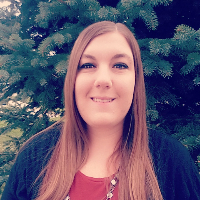
Katherine (Katie) Strub
LMHC
Iowa - 15 yrs exp


















How sexual trauma therapy works for Iowa residents
If you are seeking help after sexual trauma, therapy is a guided process that focuses on your safety, needs, and long-term well-being. Most therapists begin with an intake conversation to understand your history, current concerns, and goals for therapy. That initial meeting helps you and the clinician decide whether their training and approach are a good fit. From there you will work collaboratively to build coping skills, process distressing memories at a pace that feels manageable, and develop ways to restore your sense of control and connection in daily life.
Therapists who specialize in sexual trauma often use a combination of approaches - talk-based strategies, skills training, and body-focused methods - tailored to your preferences. Sessions can include work on anxiety and sleep, relationship stress, feelings of shame, and patterns that may be holding you back. The pace and focus will depend on what you bring to therapy and what feels most helpful for your recovery journey.
Finding specialized help for sexual trauma in Iowa
When you look for specialized care in Iowa, it helps to know the types of clinicians who commonly provide trauma treatment. Licensed clinical social workers, licensed professional counselors, marriage and family therapists, and psychologists often list trauma as a specialty. Many clinicians pursue additional training in modalities such as trauma-focused cognitive behavioral therapy, eye movement desensitization and reprocessing, somatic experiencing, or sensorimotor psychotherapy to better meet survivor needs.
Start your search by filtering for trauma experience and relevant certifications. You may want to prioritize clinicians who emphasize a trauma-informed practice, which means they aim to reduce retraumatization and respect your autonomy. If you live near Des Moines, Cedar Rapids, Davenport, or Iowa City, look for providers who serve those communities, as local knowledge can matter for coordinating care, referrals, and in-person support when needed.
What to expect from online therapy for sexual trauma
Online therapy is increasingly common across Iowa and can expand your access to clinicians who specialize in sexual trauma, especially if you live outside larger cities. In an online session you can expect a similar structure to an in-person appointment - check-ins, skill practice, and trauma processing when you and your therapist agree it is appropriate. Many people appreciate the convenience of remote sessions and the ability to see a wider range of therapists without travel time.
Before you begin online therapy, discuss practical matters like the technology you will use, what to do if a session is interrupted, and how the clinician protects your information. You should also confirm that the therapist is licensed to practice in Iowa if you will be attending sessions while physically located in the state. If you prefer a mix of online and in-person work, ask whether the clinician offers both options; in larger Iowa communities such as Des Moines and Cedar Rapids, hybrid care may be more readily available.
Common signs that someone in Iowa might benefit from sexual trauma therapy
You may consider seeking support if you notice persistent changes since an experience of sexual trauma. These might show up as intrusive memories or nightmares that are hard to control, ongoing hypervigilance or startle reactions, sleep difficulties, or avoidance of places and situations that remind you of the event. Emotional changes such as increased anxiety, mood swings, feelings of shame, self-blame, or difficulty trusting others can also indicate that focused therapeutic work would be helpful.
Sometimes the impact appears in relationships and daily functioning - you might find intimacy or boundaries more challenging, have trouble concentrating at work or school, or turn to substances as a way to cope. If these patterns are interfering with your quality of life, therapy can provide tools to manage symptoms, rebuild a sense of safety, and move toward goals that matter to you. If you are unsure whether therapy is right for you, an initial consultation with a trauma-informed clinician can help clarify next steps.
Tips for choosing the right therapist for sexual trauma in Iowa
Choosing a therapist is a personal process. Start by looking for clinicians who explicitly list sexual trauma or trauma as an area of specialty. Read provider bios to learn about their training, approaches, and experience with issues that matter to you. You may prefer a clinician who uses specific methods such as EMDR or somatic therapy, or someone who emphasizes a supportive, skills-based approach. Consider your comfort level with the clinician's style and whether you prefer to work with someone of a certain gender, cultural background, or language ability.
Practical considerations also matter. Check whether the clinician accepts your insurance or offers a sliding scale if cost is a concern. Look at location and hours - if you are balancing work or family commitments in cities like Davenport or Iowa City, evening or weekend availability might be important. If you plan to use online therapy, confirm licensure details and how appointments will be conducted. Many therapists offer a brief phone or video consultation to answer questions before you commit to regular sessions - use that opportunity to ask about their trauma work, session structure, and how they support clients in crisis situations.
First sessions and safety planning
Your first few sessions are often focused on building rapport and creating a plan that fits your needs. A good clinician will ask about your goals, strengths, and current challenges, and will discuss options for how to proceed. They will also talk about practical matters such as personal nature of sessions protections, limits of those protections, and what steps they take if you are at immediate risk. If you ever feel unsafe between sessions, contacting local emergency services is the recommended course of action.
Therapists may work with you to develop a safety plan if needed - a clear, practical guide to help you manage overwhelming moments. This plan might include coping strategies, contacts for local supports, and steps to take in a crisis. In Iowa's larger communities, clinicians can often direct you to community resources, advocacy organizations, and medical care when appropriate. If you live in a rural area, ask your clinician how they coordinate with local resources and what options are available for urgent support.
Moving forward - finding the right fit
Healing after sexual trauma is rarely linear and there is no single path that fits everyone. You may try several approaches or clinicians before finding the right fit. Trust your instincts about how you feel after sessions - you should feel respected, heard, and gradually more able to manage difficult feelings. Progress can mean fewer symptoms, improved relationships, or simply feeling better equipped to handle daily life.
If you are ready to begin, use the listings above to explore clinician profiles, read about their training and approaches, and schedule initial consultations. Whether you are in Des Moines, Cedar Rapids, Davenport, Iowa City, or elsewhere in the state, there are professionals who focus on sexual trauma and can work with you to create a plan that honors your pace and goals. Taking the first step can feel daunting, but connecting with a trauma-informed therapist is a meaningful move toward greater resilience and well-being.