Find a Relationship Therapist in Iowa
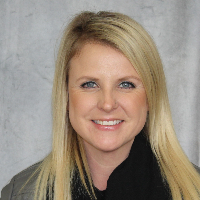
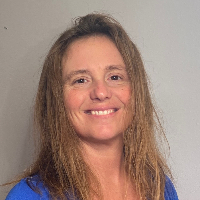
This page features relationship therapists serving Iowa, with profile details about approaches, training, and practice locations. Browse the listings below to compare specialties, read clinician summaries, and connect with professionals in Des Moines, Cedar Rapids, Davenport, Iowa City and beyond.


















How relationship therapy typically works for Iowa residents
If you are considering relationship therapy in Iowa, you can expect a collaborative process that focuses on the dynamics between people rather than on any single individual. Therapists trained in relationship work use assessments and conversation to identify patterns - communication styles, recurring conflicts, and emotional needs - and then help you and your partner develop more effective ways of connecting. Sessions often begin with an intake conversation to clarify goals, logistics, and the therapist's approach, followed by a series of sessions that combine reflection, skill-building, and homework to practice new behaviors between meetings.
Many therapists keep a flexible mix of short-term problem-focused work and longer-term exploration depending on your needs. If you live in a city like Des Moines, Cedar Rapids, Davenport, or Iowa City, you may find clinicians who specialize in particular relationship concerns such as premarital counseling, blended family transitions, infidelity recovery, or relationship health after major life changes. Rural and smaller communities may offer clinicians with broad training who integrate relationship therapy into general family or couples work.
Finding specialized help for relationship challenges in Iowa
When you search for relationship therapists in Iowa, look for clinicians whose training and experience match the specific issues you want to address. Some therapists emphasize evidence-based models like emotionally focused therapy or cognitive-behavioral couples therapy, while others integrate attachment theory, culturally informed approaches, or family systems work. If language, faith, cultural background, or nontraditional relationship structures matter to you, prioritize profiles that mention those competencies so you can find a better fit.
In larger metropolitan areas such as Des Moines and Cedar Rapids you may have access to a wider variety of specialists, including clinicians who focus on LGBTQ+ relationships, trauma-informed couples therapy, or therapists who work with co-parenting after separation. In smaller towns you may rely more on generalist therapists who bring a broad set of skills and adapt them to your situation. Either way, reading therapist bios, noting licensure information, and checking whether they offer initial consultations can help you find someone whose method and temperament align with your expectations.
What to expect from online relationship therapy in Iowa
Online therapy has become a routine option for many people in Iowa, especially if travel time or scheduling is an obstacle. When you choose online sessions, you will meet with your therapist over a video link or sometimes by phone - these sessions work well for most types of relationship work, including communication skill-building and emotionally focused interventions. Online therapy can be particularly useful if one partner lives in a different city or if you prefer not to arrange childcare or travel to an office in Des Moines, Cedar Rapids, Davenport, or other communities.
Before your first online session, you should discuss technical and logistical details with your therapist - how to connect, what to do if the call drops, and how long sessions will run. Many therapists will also talk about expectations for privacy at home - you should plan to join from a quiet area where interruptions are minimized. Online work can allow for continuity if you move within Iowa or travel frequently, and some therapists offer a hybrid model so you can alternate between in-person and virtual sessions depending on what feels most helpful.
Common signs you might benefit from relationship therapy
Noticing ongoing patterns that leave you frustrated, hurt, or disconnected is a common reason people reach out for relationship therapy. If you or your partner have persistent arguments that do not resolve, repeated cycles of withdrawal and pursuit, or difficulties communicating about money, household roles, or parenting, relationship therapy can offer tools for changing those patterns. You might also consider therapy when trust has been damaged, when intimacy has declined, or when a major life transition - such as a move, a new baby, or retirement - places new stress on your relationship.
Sometimes the signs are more subtle - you may feel lonely in the relationship despite living together, or you may notice a steady erosion of shared activities and enjoyment. In areas with limited local options, like some rural parts of Iowa, online therapy can make it easier to begin work sooner. If conflicts start to affect your physical health, work, or your ability to co-parent constructively, those are practical signals that professional support could help you navigate the next steps.
Tips for choosing the right relationship therapist in Iowa
Start by clarifying what you want to change and what an acceptable outcome would look like. When you reach out to clinicians, ask about their experience with issues similar to yours, the therapeutic approach they use, and whether they offer sessions for couples, individuals, or households. You may want to inquire about training in particular models, how they handle personal nature of sessions and record keeping, and whether they can work with both partners if only one of you initially seeks help. Many therapists offer a brief phone or video consult - take advantage of that to see how they listen to your concerns and whether their style feels respectful and practical.
Consider practical factors as well - location, availability, and cost. Des Moines and Cedar Rapids typically offer a larger pool of therapists and more flexible scheduling, while Davenport and Iowa City also have options that might include evening or weekend appointments. If you need sessions outside traditional hours, ask about evening availability or telehealth options. Cost can vary, and therapists may list whether they accept insurance, offer sliding scale fees, or provide block session packages. Comparing a few profiles and having short conversations can help you identify a therapist whose approach and terms meet your needs.
Preparing for your first sessions
Before your first session, discuss with your partner what you both hope to achieve and consider writing down a few concerns or questions to share with the therapist. Be honest about previous therapy experiences and any barriers to participation - for example, one partner may prefer online sessions or may be more comfortable starting with individual sessions before joint meetings. A skilled therapist will help set realistic goals, outline the recommended number of sessions, and suggest homework tasks to practice new ways of relating between meetings. Remember that early sessions are often about assessment and planning, so measurable progress may become clearer after a few weeks of focused work.
Local considerations and next steps in Iowa
Living in Iowa means you have options that range from urban practices in Des Moines to therapists serving smaller communities. If geography or scheduling is an issue, online therapy expands your choices and allows you to work with clinicians who specialize in relationship therapy even if they are located in another city within the state. When you find profiles that appeal to you, reach out for an initial conversation to assess fit. Consistency matters - committing to a few sessions and practicing suggested strategies between meetings gives you the best chance to notice meaningful change.
Ultimately, seeking relationship therapy is a step toward clearer communication and more intentional connection. Whether you are preparing for marriage, rebuilding trust after a breach, or simply wanting to strengthen day-to-day connection, the right therapist can guide you through practical tools and reflective conversations. Use the listings above to compare credentials and approaches, and contact a few clinicians to see who feels like the best match for the work you want to do in Iowa.