Find a Gambling Therapist in Iowa
This page features therapists across Iowa who specialize in gambling-related concerns, including clinicians offering in-person and online services. Browse the listings below to compare profiles, read about specialties, and connect with a professional who meets your needs.

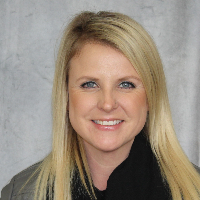




Jennifer Redlin
LMHC, LPC
Iowa - 9 yrs exp






How gambling therapy typically works for Iowa residents
When you start gambling therapy in Iowa, the first step is usually an intake conversation where the therapist asks about your history with gambling, how it affects daily life, and what you hope to change. That initial assessment gives you and the clinician a chance to set goals together and outline a treatment plan that fits your schedule and preferences. Sessions may be weekly at first and then shift in frequency as progress is made. Therapists often use structured approaches that focus on understanding triggers, building coping skills, and developing strategies to manage impulses and financial stress.
Therapy is delivered in a variety of formats in Iowa, including in-person appointments in cities like Des Moines, Cedar Rapids, Davenport and Iowa City, and remote sessions for people who live outside urban centers or prefer the convenience of videoconferencing. You can expect the therapist to discuss personal nature of sessions protections, session length, fees and cancellation policies before beginning treatment so you know what to expect.
Assessment and treatment approaches you may encounter
Therapists who work with gambling-related concerns often draw on evidence-informed methods that emphasize skills practice and problem solving. Many clinicians use cognitive-behavioral techniques to help you identify thought patterns and behaviors tied to gambling, and to learn alternatives that reduce risk. Some therapists incorporate motivational strategies to strengthen your commitment to change, while others include family members when relationships are affected. In Iowa, you will also find programs that coordinate with community financial counseling or local support groups when broader assistance is helpful.
Finding specialized help for gambling in Iowa
Finding the right therapist depends on a mix of clinical experience, logistics and personal fit. Start by looking for clinicians who mention gambling, impulse control, or behavioral addictions in their profiles. Licensure ensures that a therapist meets state requirements to practice in Iowa, and many clinicians will list additional training or certifications relevant to gambling-related work. You may also look for providers who explicitly describe experience with financial stress, relationship strain, or co-occurring concerns like anxiety or mood challenges, since gambling often affects multiple areas of life.
Location is an important factor for in-person work. Des Moines and Cedar Rapids offer a larger pool of clinicians with specialized training, while Davenport and Iowa City may provide targeted resources connected to university clinics or community mental health centers. If you live in a smaller town or a rural area, online therapy can expand your options and let you work with a therapist whose expertise matches your needs even if they are outside your county.
Local resources and coordination of care
Many Iowa therapists collaborate with community agencies, financial counselors and family support services to provide comprehensive care. If gambling has affected your finances, a therapist may help you connect with local non-profit financial counseling or legal aid for budgeting and debt planning. Clinics in larger cities often have referral networks that can assist with housing, employment support, or peer-led groups when those resources are needed alongside therapy.
What to expect from online therapy for gambling
Online therapy gives you access to specialized clinicians without the need to travel. Sessions commonly use video calls for a more personal experience, although some therapists also offer phone sessions or text-based messaging between appointments for check-ins. You should expect your therapist to discuss how sessions will be conducted, how to handle emergencies, and how records are stored. Technology requirements are usually minimal - a smartphone, tablet or computer with a camera and stable internet connection will do - and many therapists will walk you through the first session to ensure the platform works for you.
Working online can be especially helpful if you prefer to meet with someone whose expertise matches your concerns rather than limiting your search to local availability. It can also make it easier to fit therapy into a busy schedule, since you do not need to commute. If you anticipate involving a partner or family member, ask the therapist whether they can join remotely and how that will be arranged.
Common signs that someone in Iowa might benefit from gambling therapy
You might consider seeking help if gambling is causing ongoing stress, strained relationships, or financial instability. Other signs include repeated unsuccessful attempts to cut back, spending more time or money than intended, thinking about gambling when you are not gambling, or using it as a way to cope with stress or emotions. Friends or family members may notice mood changes, secrecy, or increased arguments about money. If gambling is affecting your work, schooling, or legal standing, reaching out to a clinician can help you address these areas and develop a practical plan for change.
It is also common for gambling-related concerns to overlap with anxiety, depression, or substance use. A skilled therapist will ask about these areas and, when appropriate, coordinate care with medical providers or local support services to ensure you receive well-rounded attention to your needs.
Tips for choosing the right therapist for this specialty in Iowa
When you explore therapist profiles, look for clear descriptions of experience with gambling-related issues and the types of therapy offered. It is reasonable to ask about how long a clinician has worked with gambling concerns, what approaches they use, and whether they have experience helping people in situations similar to yours. Pay attention to practical considerations like whether they offer in-person sessions in your city - for example in Des Moines or Davenport - or whether they provide online appointments that fit your schedule.
Consider logistics such as fees, insurance acceptance, sliding scale options and appointment availability. Many therapists list their hourly rate or indicate whether they accept major insurers. If cost is a concern, ask whether the clinician offers reduced-fee options or can refer you to community resources. Trust your instincts about fit - the right therapist is someone you feel listened to and understood by, and who collaborates with you on concrete steps forward.
Preparing for your first session
Before your first appointment, it can help to reflect on what you hope to achieve and to gather any relevant information about your financial obligations, support network, and prior attempts to change gambling behavior. Write down questions you want to ask a therapist about their approach, scheduling, and how they track progress. Having a clear sense of goals - whether reducing frequency of gambling, managing urges, or repairing relationships - will make your sessions more focused and productive.
Moving forward in Iowa
Looking for gambling therapy in Iowa is a process that benefits from patience and informed choices. Whether you live in a metropolitan area such as Cedar Rapids or a smaller community, there are clinicians who can work with you in-person or remotely. By focusing on expertise, practical considerations, and how well you connect with a therapist, you can find support that helps you regain control over gambling-related challenges and build healthier patterns over time.
If you are ready to take the next step, browse the therapist profiles on this page, read their approaches and specialties, and reach out to schedule an initial consultation. A single conversation can clarify options and help you decide on a path that fits your life and goals.