Find a Family of Origin Issues Therapist in Iowa
This page features therapists in Iowa who specialize in family of origin issues, serving cities such as Des Moines, Cedar Rapids and Davenport. Use the listings below to compare clinicians and find someone whose experience and approach fit your needs.

Katherine (Katie) Strub
LMHC
Iowa - 15 yrs exp



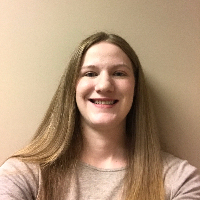











Janet Pedroza Ramos
LISW
Iowa - 7 yrs exp








How family of origin issues therapy works for Iowa residents
When you begin therapy focused on family of origin issues, you embark on a process of exploring how the family you grew up in shaped your beliefs, emotional patterns and relationships. In Iowa, therapists trained in family systems, attachment work and relational approaches help you trace patterns that repeat across generations and identify practical ways to change them. Sessions often start with an assessment of your family history, important relationships and current concerns, and then move into targeted interventions that fit your goals - whether that means improving communication, setting healthier boundaries, navigating caregiving roles or understanding how early messages still influence your daily life.
Your therapist will tailor pace and techniques to what feels manageable for you. Some people prefer a solution-focused path with concrete skills to use immediately. Others want deeper processing of long-standing wounds or identity questions. In both urban centers and rural communities across Iowa, therapists combine dialogue, reflective exercises and sometimes structured tools like genograms to map family relationships and highlight repetitive dynamics. The goal is to help you develop greater choice in how you relate to family, partners and yourself.
Finding specialized help for family of origin issues in Iowa
If you live in Des Moines, Cedar Rapids, Davenport or another Iowa community, start by looking for clinicians who list family systems, attachment theory, trauma-informed care or intergenerational work among their specialties. Credentials such as licensed clinical social worker, licensed professional counselor or marriage and family therapist indicate formal training and state licensure. Experience matters - ask about how long a therapist has worked on family of origin themes and whether they have handled situations similar to yours, such as blended family transitions, parental estrangement or cultural patterns within multi-generational households.
Geography can affect your options. In larger cities like Des Moines and Iowa City you may find a wider range of specialties and modalities. If you live in smaller towns or rural areas, telehealth increases access to therapists who practice these approaches but are based elsewhere in the state. When you review profiles, pay attention to descriptions of approach, training and population served. A therapist who mentions working with adult children of emotionally distant parents, for example, may be particularly attuned to the patterns you want to address.
What to expect from online therapy for family of origin issues
Online therapy is a common option for Iowans seeking help with family of origin issues. You can expect sessions to follow a similar structure to in-person work - intake, collaborative goal-setting and ongoing sessions - but conducted over video or phone. Many therapists use secure video platforms designed for clinical work, and they will explain how to prepare for sessions, what to do if technology fails and how to create a comfortable environment at home. Online therapy often makes it easier to maintain continuity when life gets busy, and it opens up access to therapists in Des Moines, Cedar Rapids and other parts of the state who may not have in-person openings near you.
There are practical considerations when choosing telehealth. Confirm that the therapist is licensed to provide services to clients residing in Iowa and ask about how cancellations, emergency planning and same-day needs are handled. For those who prefer a combination of formats, some clinicians offer hybrid care with occasional in-person meetings and virtual follow-ups. Ultimately, the effectiveness of online therapy depends on your comfort with the medium and the therapeutic relationship you build over time.
Common signs you might benefit from family of origin issues therapy
You might consider seeking help if you notice patterns in your life that echo family dynamics - for example, repeated conflict in close relationships, people-pleasing that leaves you exhausted, or an inability to set or maintain boundaries. Struggles with parenting that feel influenced by your own upbringing, persistent anger or sadness tied to family interactions, or recurring relationship choices that lead to disappointment are all signs that family of origin themes are active for you.
Other indicators include strong emotional reactivity around relatives, difficulty trusting or relying on others, or a sense that old family stories continue to shape how you see yourself. If you are preparing for a major family event, reorganizing household responsibilities, facing estrangement or navigating blended family roles, therapy can offer strategies to manage tense conversations and care for your emotional needs. You do not need a crisis to benefit from this work - many people seek therapy to understand themselves better and to break patterns before they cause greater distress.
Tips for choosing the right therapist for this specialty in Iowa
Choosing a therapist is both practical and personal. Start by narrowing search results to those who explicitly mention family of origin work or related approaches. Read profiles carefully to learn about each clinician's training, theoretical orientation and populations they serve. It helps to prepare a few questions for an initial consultation - ask about their experience with issues similar to yours, what a typical course of therapy looks like, and how they measure progress. You may also ask about session length, fees and whether they accept your insurance or offer sliding scale options.
Trust your sense of fit. The right therapist for you will listen to your concerns, explain their approach in clear language and invite your input on goals. If something in a session feels off, it is perfectly reasonable to bring that up and see how the therapist responds. Good clinical work is collaborative and adaptable - your preferences and cultural background should be respected. If you live near Des Moines, there may be more choices for in-person meetings. If you are outside a major city, ask about telehealth availability and how the therapist supports clients who live in different parts of Iowa.
Practical considerations specific to Iowa
Logistics matter when you are starting therapy. Check whether a therapist is licensed in Iowa and what kinds of documentation or consent they require for telehealth services. Understand cancellation policies, typical session frequency and how long they anticipate working together. If cost is a concern, ask about insurance billing, out-of-network reimbursement and sliding scale fees. Some therapists provide short introductory sessions that help you decide if they are a fit before committing to ongoing treatment.
Look for therapists who demonstrate cultural competence and an awareness of the particular stresses that can affect people in Iowa communities - for example, rural isolation, multigenerational household dynamics, or stressors tied to caregiving. A clinician who understands local context can more effectively help you translate insight into changes that work in your day-to-day life.
Finding the right next step
Deciding to address family of origin issues is a meaningful step toward greater self-understanding and improved relationships. Use this directory to compare profiles, schedule initial conversations and get a feel for different approaches. Whether you connect with a therapist in Des Moines, meet virtually with someone who practices across the state, or choose a clinician closer to Cedar Rapids or Davenport, the right therapeutic relationship can provide new perspectives and practical tools for changing patterns that no longer serve you. Take your time, ask questions, and choose a therapist who helps you feel heard and supported as you work toward your goals.