Find a Control Issues Therapist in Iowa
This directory page highlights therapists in Iowa who focus on control issues, offering both remote and in-person care across the state. You will find clinician profiles, practice details, and appointment options to help you explore professionals who address control-related patterns. Browse the listings below to compare specialties, approaches, and availability.

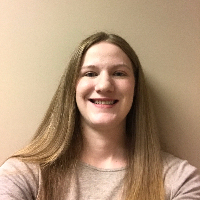
Katherine (Katie) Strub
LMHC
Iowa - 15 yrs exp



















How control issues therapy works for Iowa residents
If you are considering therapy for control issues, the process usually begins with an initial consultation in which a therapist learns about your concerns, history, and current patterns. That first conversation often includes a discussion of goals - whether you want to reduce anxiety tied to needing control, improve relationships, or develop healthier boundaries. Therapists trained in this specialty use structured assessments and collaborative goal-setting to shape a plan that fits your life in Iowa, whether you live in a city like Des Moines or a smaller town.
Therapy sessions typically combine skill-building with exploration. You will practice new ways of responding to uncertainty, learn communication strategies for difficult conversations, and work on tolerating discomfort without defaulting to controlling behavior. Many clinicians use approaches that focus on coping skills and behavioral changes so you can see practical progress between sessions. Over time, the aim is to expand your options for dealing with stress and to reduce the automatic urge to control people or situations.
Finding specialized help for control issues in Iowa
Looking for a therapist who understands control issues means paying attention to training and clinical focus. Search for clinicians who list control issues, anxiety, trauma, or relationship concerns among their specialties. Licensed counselors, social workers, and marriage and family therapists often have targeted experience with patterns of control, perfectionism, and boundary problems. You can narrow by location if you prefer in-person visits in Des Moines, Cedar Rapids, or Davenport, or by the availability of teletherapy if you live outside those centers or have a busy schedule.
When you review a profile, look for information about specific methods and populations served. Some therapists emphasize cognitive-behavioral strategies that target thoughts and behaviors that fuel controlling tendencies. Others bring skills from acceptance and commitment therapy, dialectical behavior therapy, or trauma-informed care to address deeper emotional drivers. If your control concerns intersect with relationships, look for clinicians with couples or family therapy expertise. You should also consider logistics such as hours, fees, and whether a therapist accepts your insurance or offers a sliding fee option.
What to expect from online therapy for control issues
Online therapy has become a common choice for people across Iowa, offering flexibility if you have a job, caregiving responsibilities, or limited local options. In an online session you will use video or phone to meet with a therapist, which can make it easier to maintain continuity of care when travel or weather is a factor. Many therapists adapt worksheets, skills practice, and homework to an online format so you continue to work on behavioral changes between sessions.
Before starting teletherapy, discuss with a clinician how they handle scheduling, progress tracking, and record keeping. Ask about the technical setup and what to expect during sessions, including how to manage interruptions and what to do in an emergency. If you live in Iowa City, Des Moines, or another populated area, you may have the choice of mixing in-person sessions with remote appointments to suit your needs. Online therapy can be an effective path for learning to loosen rigid control patterns because it allows you to practice new responses in the context of your daily environment.
Common signs that someone in Iowa might benefit from control issues therapy
Control issues can show up in many ways and may affect relationships, work, and wellbeing. You might find yourself micromanaging tasks at home or at work, feeling anxious when plans change, or struggling to delegate responsibilities even when you are overwhelmed. If perfectionism keeps you from finishing projects or you experience repeated conflicts with friends or partners over who is in charge, those are signals that patterns related to control are affecting your functioning.
Other signs include difficulty trusting others with responsibilities, persistent worry about what will happen if you are not in charge, and attempts to predict or prevent every possible outcome. You may use rigid routines to feel safe and notice high stress when those routines are disrupted. Sometimes control issues are linked to past experiences of chaos or loss, and addressing those underlying factors can be an important part of therapy. If these patterns reduce your quality of life or interfere with relationships in Des Moines, Cedar Rapids, Davenport, or elsewhere in Iowa, speaking with a clinician can help you explore alternatives.
Tips for choosing the right therapist for control issues in Iowa
Choosing a therapist is a personal decision and you should feel comfortable asking questions before committing. Begin by identifying what matters most to you - for example, a therapist who uses cognitive-behavioral techniques, someone with couples therapy experience, or a clinician who offers evening appointments. Check credentials and licensure to confirm the professional is authorized to practice in Iowa. You can also read profiles to see whether they mention control issues, anxiety, trauma, or relationship work.
When you contact potential therapists, ask about their experience treating control-related patterns and how they measure progress. Inquire about typical session length, frequency, and how long treatment might last for your goals. Discuss practical matters such as insurance, fees, and cancellation policy. If you prefer in-person visits, note office locations in cities like Des Moines or Cedar Rapids. If you need flexible options, confirm that the clinician offers teletherapy across Iowa and ask how they structure remote sessions to support your work on control patterns.
It is normal to try a few therapists before finding the right fit. Consider scheduling a consultation or the first session as a trial to see how well you connect and whether the therapist’s approach resonates. Trust your instincts about whether you feel heard and whether the plan they suggest feels actionable. A good therapeutic match will balance challenge with support and give you tools to practice new habits between sessions.
Practical considerations for starting therapy
Before your first appointment make a short list of the situations that most frequently trigger your need to control, and note what you hope to change. This preparation helps you and the therapist start with clear priorities. If insurance is part of the plan, verify coverage and any required authorizations. If you live outside major cities, ask about weekend or evening options, and whether the therapist can offer online appointments when travel is difficult. Over time you will work with the clinician to set measurable goals and track small wins as you develop more flexible responses to stress and uncertainty.
Moving forward in Iowa
Addressing control issues is a process that unfolds over time, and the right therapist can help you build skills to respond differently when old patterns show up. Whether you seek in-person support in Des Moines, Cedar Rapids, Davenport, or choose online sessions from a rural area, the directory listings below can help you compare professionals and reach out to start that conversation. Therapy is a collaborative step toward greater balance and improved relationships, and finding a clinician whose approach fits your needs is an important first move.