Find a Bipolar Therapist in Iowa
This page lists therapists in Iowa who focus on bipolar disorder and related mood concerns, offering both in-person and online appointments. Browse the listings below to compare approaches, credentials, and availability across cities in the state.

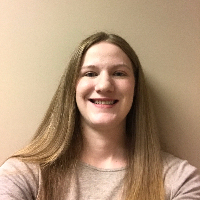
Katherine (Katie) Strub
LMHC
Iowa - 15 yrs exp





















How bipolar therapy typically works for Iowa residents
If you are seeking support for bipolar symptoms in Iowa, therapy usually begins with an assessment to understand your mood patterns, history, current stressors, and treatment goals. Your therapist will talk with you about the ways mood shifts affect your daily life, work, relationships, and sleep. From there you and your clinician develop a treatment plan that may combine psychotherapy, education about mood regulation, and coordination with prescribers when medication is part of your overall plan.
Therapy sessions often follow a regular schedule - weekly at first and then less often as progress is made - and include opportunities to practice skills between appointments. Your therapist can help you track mood changes, identify triggers, and develop routines that support stability. Many clinicians in Iowa work collaboratively with psychiatrists or primary care providers so that medication management and psychotherapy complement one another. In more rural areas of the state, online appointments make it easier to access clinicians who specialize in bipolar concerns.
Common therapeutic approaches used
You will find several evidence-informed approaches among therapists who focus on bipolar difficulties. Cognitive behavioral strategies help you notice patterns of thinking and behavior that influence mood. Interpersonal and social rhythm strategies focus on stabilizing daily routines such as sleep, activity, and social rhythms - areas that often affect mood shifts. Dialectical skills can assist with emotion regulation and distress tolerance, and family-focused work may engage loved ones to improve communication and crisis planning. Psychoeducation is a central element - understanding what mood swings look like for you and learning practical tools to manage them.
Finding specialized bipolar help in Iowa
When you search for a therapist in Iowa, look for clinicians who list bipolar disorder as a specialty or who describe experience working with mood disorders. Licensure and professional background are important - you can check state credentials and read therapist profiles to learn about training and years of experience. Some therapists have additional training in mood disorders, perinatal mental health, adolescent care, or co-occurring issues such as anxiety or substance use, all of which can be relevant to your needs.
Your location in Iowa will shape your options. In urban centers such as Des Moines and Cedar Rapids you may have wider in-person choices and access to multidisciplinary clinics. Davenport and Iowa City both host clinicians with experience treating diverse age groups and life stages, including college students and young adults. If you live in a smaller town, telehealth expands your access to specialized providers and allows you to connect with clinicians who may not be locally available.
What to expect from online therapy for bipolar
Online therapy offers flexibility if you live far from a major city or need appointments outside typical business hours. When you choose teletherapy, your first sessions will still focus on assessment and building rapport, but you will meet through a video link rather than in an office. You should expect discussions about how to manage privacy at home during sessions, how to handle emergencies, and how your therapist will coordinate care with any local providers such as a psychiatrist.
Remote sessions can be especially helpful for continuing care during life transitions, for college students who move between campus and home, and for people who have mobility or transportation constraints. If you live in Des Moines, Cedar Rapids, Davenport, or Iowa City, you might combine occasional in-person visits with online follow-ups. Ask prospective therapists how they handle crisis planning, same-day contact, and coordination with in-person providers in Iowa when needed.
Common signs that someone might benefit from bipolar-focused therapy
You might consider bipolar-focused therapy if you notice recurring periods where your mood, energy, or thinking are very different from your usual self. This can include episodes of very low mood, loss of interest in activities, changes in sleep or appetite, and difficulties concentrating. It can also include times of unusually elevated mood, increased energy, decreased need for sleep, risky or impulsive behavior, rapid speech, or racing thoughts. When mood shifts affect your relationships, work or school performance, or safety, reaching out for a specialized assessment is a sensible step.
Therapy can also help if you are managing the ups and downs of a diagnosed bipolar condition and want tools to reduce the impact of mood swings on daily life. You may seek therapy to improve sleep and routine, to prepare a plan for early warning signs, or to strengthen communication with family and care providers. If you are unsure whether therapy focused on bipolar concerns is right for you, an initial consultation can clarify options and next steps.
Tips for choosing the right bipolar therapist in Iowa
Choosing a therapist is a personal process and a good match often makes a big difference. Start by looking at therapist profiles for mentions of mood disorder experience and training in relevant approaches. When you contact a clinician, you can ask about their experience with bipolar presentations, whether they coordinate care with prescribers, and what kinds of tools they use in therapy. Ask about session length and frequency, fees, insurance acceptance, and whether they offer telehealth options for times when travel is difficult.
Consider practical concerns as well as therapeutic fit. You might prefer someone who offers evening appointments, who has experience with adolescent or geriatric care, or who understands cultural or identity-related aspects that matter to you. If you live in or near Des Moines, you may have more immediate in-person options; if you live farther away, ask about ongoing online availability. Trust your sense of comfort in early sessions - it is normal to try a few clinicians before you find the best match.
Making therapy a sustainable part of life in Iowa
Once you begin therapy, think about how to integrate it with your daily routines so progress endures between sessions. Consistent sleep and activity schedules can support mood stability, and your therapist can help you build practical habit-changing plans. If transportation or scheduling is a barrier, explore telehealth alternatives and flexible scheduling. Community resources such as local support programs, university counseling centers in Iowa City, and workplace assistance programs in Des Moines can provide additional supports and points of coordination.
Finally, remember that therapy is a process. Early appointments are often focused on assessment and planning, and skill-building tends to take time and practice. If you feel your needs change, communicate that with your clinician so the plan can be adjusted. With the right support - whether in-person in a nearby clinic or via online sessions - you can find approaches that help you manage mood fluctuations and improve day-to-day functioning across life in Iowa.
Next steps
Use the therapist listings above to read profiles, check availability, and contact clinicians who seem like a good fit. When you reach out, a brief intake conversation can answer practical questions and help you decide whether to schedule an initial session. If you need immediate help with safety concerns, contact local emergency services or crisis resources in your area.