Find an Abandonment Therapist in Iowa
This page lists therapists in Iowa who focus on abandonment-related concerns, with profiles that describe their training, approaches, and availability. Browse the listings below to compare qualifications and find a clinician who fits your needs.

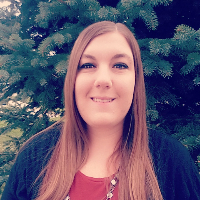
Katherine (Katie) Strub
LMHC
Iowa - 15 yrs exp



















How abandonment therapy works for Iowa residents
If you are dealing with feelings tied to abandonment - whether from childhood experiences, relationship endings, or ongoing fears of loss - therapy offers a space to explore how those patterns affect your daily life. Treatment for abandonment-related difficulties typically combines emotional processing with practical skill-building. In sessions you will work with a clinician to identify triggers, understand the origins of your responses, and practice new ways of relating to others and to yourself. Therapy is a collaborative process, and many people find steady progress after several months of focused work, though pacing and goals vary depending on what you want to achieve.
In Iowa, therapists trained in this specialty draw on a range of evidence-informed approaches, including attachment-focused therapy, trauma-informed methods, cognitive-behavioral techniques, and emotion-focused work. A therapist may integrate several methods to match your needs, and the relationship you build with your clinician often becomes part of the healing - it provides a different kind of interpersonal experience than the ones that may have shaped abandonment fears in the first place.
Types of clinicians you may encounter
When seeking help in Iowa you may meet licensed clinical social workers, licensed professional counselors, marriage and family therapists, and psychologists. Each profession has distinct training and scope of practice, but all can provide meaningful support for abandonment concerns. Some therapists offer individual work, while others provide couples or family therapy when relationship patterns are central to the issue.
Finding specialized help for abandonment in Iowa
Begin your search by looking for clinicians who mention attachment concerns, relationship trauma, or abandonment in their profiles. Many therapists list their primary approaches and specializations, so you can get a sense of whether their training aligns with what you need. Consider therapists based in major Iowa communities such as Des Moines, Cedar Rapids, Davenport, and Iowa City if you prefer in-person appointments, since those cities tend to have broader specialty offerings and varied scheduling options.
Credentials matter. Look for clinicians who are licensed in Iowa and who describe ongoing training in trauma work, attachment-informed therapies, or relational approaches. If you have a specific background- for example, if you are navigating abandonment issues tied to childhood trauma or to a recent breakup - mention that when you reach out so the therapist can indicate whether they have relevant experience.
Local considerations
Iowa has both urban and rural regions, and access to specialists can vary by location. In urban centers like Des Moines and Cedar Rapids you may find a wider selection of clinicians who focus on complex relational trauma. If you live outside those areas, online options can broaden your choices and connect you with therapists who have the exact specialization you want. When choosing someone who practices across the state, pay attention to whether they list local office locations or indicate telehealth availability for Iowa residents.
What to expect from online therapy for abandonment
Online therapy can be an effective way to address abandonment issues, especially if you want access to therapists whose training is not available locally. Sessions generally take place by video or by phone and follow a similar structure to in-person work - you will discuss your history, set goals, and practice new skills between sessions. Many people find online therapy convenient because it removes travel time and makes it easier to maintain consistent appointments when life is busy.
When preparing for online sessions, choose a quiet, comfortable environment where you can speak freely and focus. Test your technology before the first appointment and ask the therapist about their approach to privacy, session length, and communication between sessions. Therapists will also discuss paperwork such as informed consent and their emergency procedures so you know how to get help if needed outside session hours.
Benefits and limitations
Online therapy increases access to specialized clinicians and can support continuity of care if you move within Iowa or travel between cities like Davenport and Iowa City. However, some people prefer in-person work for the immediacy of face-to-face interaction. If you are considering online care, discuss with potential therapists whether they feel the online format is a good fit for the intensity and type of work you want to do.
Common signs you might benefit from abandonment therapy
You might consider seeking help if you notice recurring patterns that interfere with relationships or emotional wellbeing. People who struggle with abandonment concerns often report an ongoing fear that others will leave them, which can lead to clinginess, avoidance, or difficulty trusting partners and friends. You may find that you react strongly to perceived slights, experience intense anxiety about being alone, or repeat relationship patterns that lead to distance or breakups.
Other signs include difficulty setting boundaries, chronic feelings of emptiness, and a persistent need for reassurance that does not fully resolve your anxiety. Abandonment issues can also show up as heightened jealousy, excessive people-pleasing, or difficulty forming close connections even when you long for them. If these experiences are affecting your work, relationships, or daily mood, targeted therapy can help you understand and change the patterns that keep you stuck.
Tips for choosing the right therapist in Iowa
Trust and fit matter more than any single credential. Start by reading therapist profiles and noting which clinicians describe work with abandonment, attachment wounds, or related trauma. Reach out with a brief message that explains your concerns and asks about the therapist's experience with similar issues. Many therapists offer an initial consultation - sometimes at a reduced rate or for a short period - so you can assess whether their style feels like a match.
Ask questions about the therapist's typical treatment length, the approaches they use, how they measure progress, and what a typical session looks like. It is also reasonable to inquire about practical details such as scheduling, fees, and whether they accept your insurance or offer sliding scale options. If culture, identity, or faith are important to you, look for a clinician who demonstrates cultural competence or who lists relevant experience working with similar backgrounds.
Making a choice that feels right
Choosing a therapist often comes down to how you feel in the first few sessions. You are the best judge of whether a therapist listens well, helps you feel understood, and provides tools that make a difference between sessions. If a therapist's approach does not feel helpful, it is okay to try someone else - finding the right therapeutic relationship is part of the process.
Moving forward in your healing
Starting abandonment therapy is a step toward understanding patterns that have shaped your life and toward learning more adaptive ways of relating to others and to yourself. Whether you live in Des Moines, Cedar Rapids, Davenport, Iowa City, or a smaller Iowa community, there are clinicians who can support you through this work. Use the listings above to compare options, reach out to clinicians whose profiles resonate with you, and trust that small, consistent steps in therapy can lead to meaningful change.
If you are ready to begin, contact a therapist to ask about a first appointment and to discuss whether their approach fits your needs. Healing from abandonment-related wounds often involves both insight and practice, and with the right support you can build more secure and fulfilling relationships over time.