Find a Separation Therapist in Indiana
This page connects you with therapists in Indiana who focus on separation-related concerns, including transitions, co-parenting, and emotional adjustment. Explore clinician profiles below to compare specialties, credentials, and how they work so you can find the right match.



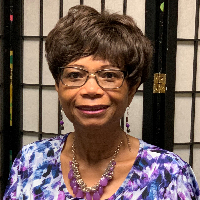










Brittany Snyder
LMHC
Indiana - 13 yrs exp










How separation therapy works for Indiana residents
When you seek separation therapy in Indiana, you are looking for focused support during a time of interpersonal change. Therapy for separation is designed to help you process the emotions that come with the end of a partnership, navigate practical issues like co-parenting and living arrangements, and rebuild your sense of identity after the relationship shifts. Sessions typically begin with an assessment of your immediate needs - whether that is managing grief, reducing conflict with an ex-partner, or planning for custody discussions. From there, you and your clinician develop goals and choose therapeutic approaches that fit your situation. In Indiana those approaches are offered by licensed professionals who may specialize in relationship work, family systems, trauma-informed care, or adjustment-focused counseling.
What the first few sessions look like
At the start you can expect a careful intake process where your therapist asks about the history of the relationship, current stressors, and any safety concerns for you or family members. The initial conversations are also an opportunity to discuss practical logistics such as scheduling, fees, and whether you prefer in-person meetings or virtual sessions. Therapists will typically explore how separation is affecting your mood, sleep, daily functioning, and relationships with children, friends, and family. That information informs a treatment plan that might combine emotional processing, communication skill building, and strategies for managing legal or parenting challenges as they arise.
Finding specialized help for separation in Indiana
Indiana has a wide range of clinicians trained to help with separation - from urban practices in Indianapolis to community clinics in Fort Wayne and Evansville. You can look for therapists who list separation, divorce transitions, or co-parenting among their specialties, and check professional credentials such as licensed marriage and family therapist, licensed clinical social worker, or licensed professional counselor. Many therapists also describe their training in areas like family systems therapy, solution-focused work, or trauma-informed care which can be especially useful if the separation involves complex emotional histories.
If you live in or near a larger city such as Indianapolis, Fort Wayne, or Evansville you may find more options for evening or weekend appointments, child-friendly practices, and clinicians with courtroom or custody experience. In smaller towns or rural areas, therapists may offer flexible scheduling and online sessions to increase accessibility. University counseling centers, community mental health centers, and nonprofit family support programs can also be good resources if you are exploring cost-effective care or referrals within your region.
What to expect from online therapy for separation
Online therapy has become a common option for people managing separation, and it can be particularly convenient when juggling work, school, or child care. When you choose virtual sessions you will typically meet with your clinician by video or phone at scheduled times from a comfortable environment at home or another private location. Online therapy allows you to access specialists who might not be located in your immediate area - for example, a clinician in Indianapolis who focuses on co-parenting strategies can work with you even if you live in a different Indiana county.
In your first virtual visit you will be guided through technology expectations and privacy practices so that you feel comfortable with the platform and the session format. Many people find that the continuity of weekly or biweekly online sessions helps maintain momentum during a separation. If there are moments when in-person meetings are preferable - such as court-related evaluations or family sessions involving multiple participants - your therapist can discuss how to integrate those as needed.
Common signs you might benefit from separation therapy
You may be considering therapy because you are feeling overwhelmed, but sometimes the signs are subtler. If you find your sleep or appetite changing significantly, you are having trouble concentrating at work, or your mood is more volatile than usual, these can be indicators that additional support would help. Persistent anxiety about parenting arrangements, escalating conflict with your ex-partner, or difficulty making day-to-day decisions are practical triggers for seeking help. Parents often come to therapy worried about how separation is affecting children and to learn strategies for minimizing conflict during exchanges or co-parenting conversations.
Others seek therapy because they are unsure about next steps - whether to pursue reconciliation, legal separation, or divorce - and want a calm space to weigh options and identify values that will guide decisions. If you are experiencing safety concerns, such as threats or violence, reach out to local crisis resources first and let a clinician know so they can connect you with appropriate supports and help craft a safety plan.
Tips for choosing the right therapist for separation in Indiana
Choosing a therapist is a personal decision and it is reasonable to try more than one clinician before settling on the best fit. When you review profiles, look for descriptions that mention separation, divorce, co-parenting, or family transitions. Pay attention to the therapist's listed credentials and years of experience, and notice whether they describe working with situations similar to yours, such as high-conflict separations or blended family dynamics.
Ask about a therapist's approach during a brief consultation call. You can inquire how they typically structure sessions, whether they include parenting coordination or joint sessions with an ex-partner, and how they support clients dealing with court processes or custody negotiations. Discuss logistics like fees, insurance plans accepted, sliding scale options, and cancellation policies so there are no surprises. Consider whether you would prefer a clinician who offers in-person appointments in cities like South Bend or Indianapolis, or one who primarily works online for flexibility.
Trust your impression of the therapist's interpersonal style. Feeling heard and respected in early sessions is an important indicator of a sustainable therapeutic relationship. If cultural background, language, or faith perspectives are important to you, look for clinicians who highlight those competencies. Finally, think about pace - some people want faster, goal-oriented work while others prefer a slower, exploratory approach - and choose a therapist whose practice aligns with your expectations.
Next steps and local considerations
After you browse the listings below, consider reaching out to a few therapists for brief consultations to compare approaches and availability. If you have children, ask potential clinicians how they work with families and whether they offer parenting-focused sessions or co-parenting coaching. For logistical matters like documentation for court or coordination with attorneys, discuss boundaries and what your therapist can provide in terms of records or professional opinions.
Finding the right separation therapist in Indiana is about matching expertise, accessibility, and interpersonal fit. Whether you are in Indianapolis, Fort Wayne, Evansville, South Bend, or another part of the state, there are clinicians who can help you navigate this transition with practical strategies and emotional support. Starting with a clear idea of your goals - reducing conflict, stabilizing parenting routines, or processing grief - will help you make the most of therapy and move forward with greater clarity and resilience.