Find an Older (45+) Therapist in Indiana
This page features therapists in Indiana who specialize in working with older adults aged 45 and up. Each profile outlines clinical approaches, areas of focus, and the communities the clinician serves. Browse the listings below to find a clinician whose background and availability match your needs.




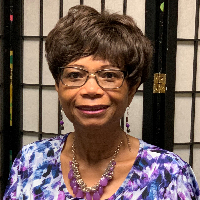



















How older (45+) therapy works for Indiana residents
If you are seeking therapy as an older adult in Indiana, the process often begins with a brief consultation to see if a therapist is a good fit for your concerns and schedule. Therapists who focus on older adults bring experience with life-stage issues such as career change, retirement planning, caregiving stress, loss and grief, chronic health adjustments, and shifts in relationships. In-person appointments are available in many urban and suburban areas while online sessions allow you to connect from home when travel or mobility present challenges.
Indiana has a mix of clinicians in private practice, community clinics, and health centers affiliated with larger systems. Licensing and practice standards are governed by state boards, so verifying a clinician's credentials and professional background is a practical first step. Many therapists list their training, specialties, and typical session formats on their profiles, which helps you form an initial impression before reaching out.
Referral and intake
Intake often begins with an initial phone call or online message to confirm availability, insurance options, and whether the therapist accepts new clients. During the first session you can expect a conversational assessment where the therapist asks about your current concerns, medical or medication history as it relates to mental health, and goals for therapy. From there a treatment plan is developed collaboratively and adjusted over time based on your progress and preferences.
Finding specialized help for older (45+) people in Indiana
When searching for a therapist who specializes in older adults, prioritize clinicians who explicitly state experience with midlife and later-life concerns. Look for descriptions that mention work with life transitions, bereavement, caregiving, age-related identity shifts, and coping with chronic conditions. In larger cities such as Indianapolis, Fort Wayne, and Evansville you may find clinicians who also collaborate with geriatric care teams or local senior centers, which can be helpful if you want coordinated support.
If you live in a more rural part of Indiana, online therapy widens the pool of available clinicians and can help you find someone with the specific expertise you prefer. Some therapists offer sliding scale fees or evening appointments to accommodate working adults or family caregivers. You can also seek clinicians with training in particular approaches that resonate with you, such as cognitive behavioral therapy for coping strategies, acceptance and commitment therapy for values-focused work, or trauma-informed care if past experiences are impacting your present life.
Local community resources
Community-based organizations and aging services in Indiana often maintain directories or referral lists that point to therapists experienced with older adults. These resources can help you identify clinicians who have worked with local hospitals, veteran services, or elder care programs. Connecting with a primary care provider or a social worker at a medical clinic can also yield referrals to therapists who regularly collaborate with health teams on chronic illness management and emotional support.
What to expect from online therapy for older (45+)
Online therapy can be a practical option if travel is difficult or if you prefer staying at home for appointments. Sessions typically take place over video or by phone and follow a similar structure to in-person visits. You should expect scheduled start and end times, a chance to review goals, and interventions tailored to your concerns. Many therapists will help you troubleshoot technology ahead of the first session so you enter the meeting feeling comfortable.
Privacy of the conversation is an important consideration, so consider arranging a quiet, undisturbed area in your home. If mobility, hearing, or vision concerns affect how you connect, mention these needs when scheduling and ask about alternative formats such as phone sessions or captioning options. Some therapists maintain office hours in the evening to accommodate those who assist family members during the day or who prefer appointments outside typical business hours.
Common signs you might benefit from older (45+) therapy
You might consider seeking a therapist when you notice persistent changes in mood, sleep, or appetite that interfere with daily life. Increasing isolation, difficulty managing caregiving responsibilities, ongoing worry about health, or feeling stuck when planning for retirement are common reasons people pursue therapy. Unresolved grief after losing a loved one, or repeated conflicts in relationships that feel connected to life-stage changes, are also frequent triggers for seeking help.
If medical issues are playing a role in your mood or functioning, collaborating with your healthcare providers can support a comprehensive approach. Therapy is useful when you want help developing coping strategies, adjusting to new roles, or navigating complex family dynamics. You do not need a dramatic crisis to benefit - many people find value in therapy simply to gain clarity and make deliberate choices about the next chapter of life.
Tips for choosing the right therapist for older (45+) work in Indiana
Start by clarifying what you hope to accomplish in therapy and which practical factors matter most - distance to an office, evening availability, insurance acceptance, or experience with particular life-stage concerns. Read clinician profiles to see whether their stated approach matches your preferences. When you contact a therapist for an initial conversation, ask about their experience working with people in your age group, typical treatment methods, and how they measure progress.
Consider whether you prefer a therapist who emphasizes coping skills and short-term goals or someone focused on exploring deeper patterns and life story. You may also want cultural or identity-informed care; many therapists note special training or community work relevant to aging LGBTQ+ adults, veterans, or multicultural needs. If cost is a concern, ask about sliding scale fees, community clinics, or employee assistance programs through workplaces that may help cover short-term counseling.
Practical questions to ask
When you speak with a prospective therapist ask about session length and frequency, cancellation policies, and whether they coordinate with other providers such as physicians or care managers. Clarify payment methods and whether the therapist submits claims to insurance or provides a receipt you can use for reimbursement. If you plan to use online sessions, ask what platform they use and whether a test connection is recommended before the first full appointment.
Making the first step
Taking the first step toward therapy can feel daunting, but many people find relief in connecting with a clinician who understands the particular challenges that come with midlife and later adulthood. Whether you prefer in-person care in a city like Indianapolis, Fort Wayne, or Evansville, or the convenience of online sessions, there are clinicians who focus on aging-related issues and life transitions. Use the profiles on this page to identify therapists whose approach, availability, and location match your needs, and reach out to set up an initial conversation to see if the fit feels right.
Therapy often unfolds at your pace, and you can evaluate the relationship over the first few sessions to determine whether it supports your goals. With thoughtful search and some practical questions, you can find a clinician in Indiana who offers the experience and approach you want as you navigate the next chapter of life.