Find an Isolation / Loneliness Therapist in Indiana
This page connects people across Indiana with therapists who focus on isolation and loneliness. Browse listings below to compare profiles, specialties, and availability in Indianapolis, Fort Wayne, Evansville and other communities.











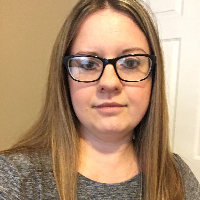

Brittany Snyder
LMHC
Indiana - 13 yrs exp








How isolation and loneliness therapy works for Indiana residents
If you are struggling with feelings of isolation or persistent loneliness, therapy can help you explore the patterns that contribute to those feelings and develop practical strategies for change. A therapist trained in this specialty will typically focus on understanding your social context - the relationships, routines, and life transitions that affect how connected you feel. In Indiana, therapists blend evidence-informed approaches with attention to your local environment, whether you live in a dense urban neighborhood in Indianapolis or a quieter community near Fort Wayne or South Bend.
Therapeutic work often begins with building a trusting relationship and clarifying what you want to change. From there you and your therapist may address unhelpful thinking patterns that increase emotional distance, practice communication and social skills, and design small steps to expand your social circle or deepen existing relationships. Sessions are a place to reflect, rehearse, and plan - and many people find that sustained effort over weeks to months makes a meaningful difference in how connected they feel.
Finding specialized help for isolation and loneliness in Indiana
When you begin looking for a therapist, focus on clinicians who list isolation, loneliness, social anxiety, life transitions, or relationship support among their specialties. You can search by location to find providers who offer in-person appointments in cities like Indianapolis, Fort Wayne, Evansville, or South Bend, or who serve nearby towns and rural areas. If your schedule or mobility is limited, many therapists also offer remote sessions, which expand your options beyond county lines.
Credentials matter, but fit is equally important. Licensed counselors, social workers, and psychologists in Indiana may use a range of modalities, such as cognitive-behavioral techniques, interpersonal therapy, or emotion-focused work. Read therapist profiles to learn about their training, approach, and experience with issues like isolation. Look for descriptions of practical strategies, collaborative goal-setting, and comfortable pacing so you can find someone who matches your needs and style.
What to expect from online therapy for isolation and loneliness
Online therapy can be an effective way to address isolation because it reduces geographical barriers and allows you to connect from home. If you live in a more rural part of Indiana, online options can link you with clinicians who specialize in loneliness even if there are few local providers. Sessions typically happen via video, phone, or text-based messaging, and they follow a similar structure to in-person work: assessment, goal-setting, and focused interventions.
You should expect your therapist to help you translate insights from sessions into real-world practice. That might mean setting small exposure tasks to reduce avoidance, practicing conversation starters, or planning ways to access community resources in Indianapolis or Evansville. Some people worry that online sessions feel less personal, but many find that a steady weekly meeting, clear agendas, and homework assignments make remote therapy feel purposeful and connected.
Common signs that you might benefit from isolation and loneliness therapy
You might choose to seek therapy if you notice persistent feelings of emptiness despite being surrounded by people, or if it has become increasingly hard to form or maintain relationships. Other signs include withdrawing from hobbies you once enjoyed, avoiding social invitations out of fear or exhaustion, or feeling stuck after a life change such as moving to a new city, ending a relationship, or retiring. If loneliness is affecting your sleep, mood, or daily functioning, that is also a signal that support could help.
Loneliness can look different for everyone. You may feel disconnected at work or overwhelmed by the thought of meeting new people. You may find that social media amplifies feelings of isolation rather than reducing them. Whatever your experience, reaching out for professional support is a practical step when self-driven efforts have not led to the changes you want.
Tips for choosing the right therapist for this specialty in Indiana
First, consider logistics - do you prefer in-person meetings in a neighborhood clinic in Indianapolis or Evansville, or is online work more realistic for your routine? Think about session frequency and whether evening or weekend appointments are important. Next, read profiles to find therapists who explicitly mention work with isolation, loneliness, social anxiety, or relational skills. These clinicians are more likely to use targeted strategies and homework to build connections over time.
When you contact a therapist, you can ask short questions about their experience and approach. Ask how they structure therapy for loneliness, what kinds of outcomes they focus on, and how they help clients stay motivated between sessions. It is reasonable to ask about insurance or sliding-scale options if cost matters to you. Many therapists in Indiana list whether they accept insurance, offer self-pay rates, or provide reduced-fee appointments for people with financial need.
Pay attention to how you feel after an initial consultation. You want a therapist who listens to your concerns, clarifies goals, and offers practical next steps. A good match is someone who balances warmth with structure and who helps you practice skills between sessions. If you do not feel comfortable or supported after a few sessions, it is acceptable to look for a different therapist - finding the right fit can make a major difference in your progress.
How community resources and local life can support your work in therapy
Therapy is often most effective when combined with real-world opportunities to connect. Indiana offers many ways to engage with others, from neighborhood groups and volunteer opportunities to continuing education classes and recreational leagues. In cities like Indianapolis and Fort Wayne, you may find meetup groups, workshops, and community centers that help you meet people with similar interests. Even in smaller towns, there are often local volunteer organizations, faith groups, and library programs that make connection more accessible.
Your therapist can help you identify activities that match your values and energy level, and they can help you set manageable steps to get involved. Over time, these small efforts accumulate into more meaningful social ties and a greater sense of belonging.
Moving forward: practical next steps
Start by reviewing the therapist listings on this page and narrow your options by location, availability, and approach. Reach out with a brief message to ask about experience with isolation and to confirm practical details like session format and fees. Prepare a few notes about what you want to change so your first meeting can be focused and productive. Remember that progress often happens gradually; consistent effort, supported by a therapist who understands loneliness, can help you rebuild connection and resilience in everyday life.
Whether you are in downtown Indianapolis, near the university district of South Bend, or living in a rural part of the state, there are therapists who specialize in helping people navigate isolation. Taking the first step to contact a clinician is an act of care for your emotional health and for the relationships you want to grow.