Find a Domestic Violence Therapist in Indiana
This page lists licensed therapists who focus on domestic violence support across Indiana. You can explore profiles, read about clinicians' approaches, and browse options in your area.
Use the listings below to connect with a therapist who can help you plan for safety, recovery, and next steps.
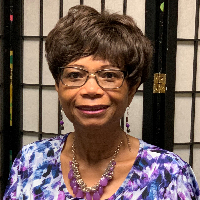









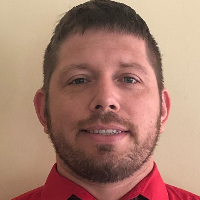
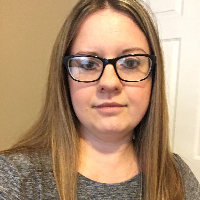


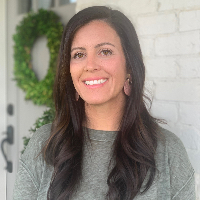



Lyn Cassin
LCSW
Indiana - 14 yrs exp






How domestic violence therapy works for Indiana residents
When you seek domestic violence therapy in Indiana, the first sessions usually focus on understanding your situation and making a practical plan for safety and support. A clinician will ask about recent events, current risks, and immediate needs so that you and the therapist can prioritize steps that reduce harm and increase your capacity to make informed choices. Therapy often blends emotional support with practical strategies - you work on coping with fear and trauma while accessing community resources such as legal information, advocacy, or housing assistance when needed.
Therapists trained in this specialty take into account the local context. Services available in a metropolitan area like Indianapolis can differ from those in smaller towns or rural counties. In larger cities you may find clinicians with specific trauma certifications or clinic teams that coordinate with courts and shelters. In smaller communities you may rely more on remote options or clinicians who provide a broader range of services. In all settings the aim is to tailor care to your circumstances, whether you are planning to stay, to leave, or to set boundaries within a relationship.
Finding specialized help for domestic violence in Indiana
Look for clinicians who explicitly mention experience with intimate partner violence, coercive control, stalking, or related trauma. In Indiana, therapists’ titles and licensure matter because they indicate training and scope of practice. Common credentials include licensed clinical social worker, licensed mental health counselor, and licensed professional counselor. When you review a clinician profile, pay attention to descriptions of their therapeutic approach, background with survivors or people who have used violent behaviors, and whether they work alongside legal or social services to help you navigate next steps.
You can also consider proximity to key urban centers if in-person appointments are important. For example, therapists in Indianapolis or Fort Wayne may offer evening clinics and multiple specialties under one roof, while practitioners in Evansville and South Bend may combine in-person and remote work to meet local demand. If language access or cultural considerations are important to you, check profiles for clinicians who list multilingual skills or experience working with communities similar to your own.
What to expect from online therapy for domestic violence
Online therapy can expand access if you live in a rural Indiana county or have difficulty traveling. You should expect an initial intake that addresses safety planning for remote sessions - this includes agreeing on what to do if a session is interrupted and how to reach emergency help in your area. You will also discuss personal nature of sessions boundaries and the kinds of communication the clinician uses between sessions. Many therapists use video or phone sessions that mirror in-person care and adapt trauma-focused treatments to the remote format.
Before committing to a clinician, ask how they manage safety when you connect from a shared home, how they document local emergency contacts, and whether they can help connect you to resources in your city, whether that is Indianapolis, Fort Wayne, Evansville, or a smaller town. Online options can be a strong bridge to specialized care, and many clinicians combine remote and occasional in-person meetings when that helps your progress.
Common signs that you or someone you care about might benefit from domestic violence therapy
You might consider seeking therapy if you feel persistently fearful around a partner, experience repeated humiliation or control, or face threats that limit your daily choices. Signs can be emotional, such as heightened anxiety, depression, or difficulty concentrating. You may notice physical symptoms like chronic headaches or trouble sleeping that seem tied to relationship stress. Changes in your social life - increasing isolation from friends and family, or financial control that limits your options - are also common reasons people seek support.
If children are involved, you may see shifts in their behavior or school performance when exposure to conflict is ongoing. Even if abuse has not been physical, patterns of coercion, manipulation, or threats can have long-term effects and warrant skilled intervention. Therapy can help you assess patterns, reduce immediate risk, and build resilience while you consider legal, housing, or family options that matter to you.
Tips for choosing the right therapist for this specialty in Indiana
Start by clarifying what you need most - immediate safety planning, trauma-focused therapy, support through legal processes, or help understanding relationship dynamics. When you contact a clinician, ask about their experience with domestic violence and how they balance crisis work with long-term recovery. It is reasonable to ask about therapeutic approaches they use, whether they offer trauma-focused modalities, and how they coordinate with local agencies or advocates across Indiana.
Consider practical details as well. Ask about appointment schedules and whether evening or weekend times are available if you are managing complex logistics. Verify what payment options are accepted, including insurance or sliding scale fees, and whether a clinician conducts sessions in person in cities like Indianapolis or Evansville in addition to offering remote visits. Trust your impressions during a consultation call - you should feel heard and understood, and a good clinician will explain how they can help you in ways that respect your pace and choices.
Next steps and considerations
If you are thinking about reaching out, preparing a short list of questions before you call can make the process smoother. Consider whether safety planning is a priority and share any immediate concerns during the initial contact. When location matters, look for clinicians who know the services in your county or city. For residents of larger metro areas such as Indianapolis and Fort Wayne, you may find multidisciplinary teams that can coordinate mental health care with legal or medical referrals. In smaller communities, online options often fill gaps and connect you to specialized clinicians who understand Indiana law and local resources.
Ultimately, therapy is one part of a broader plan - you are entitled to a supportive, practical approach that helps you reduce risk, process what has happened, and regain control over choices that affect your life. Use the listings above to read clinician bios, compare specialties, and reach out for a consultation. You do not have to navigate these decisions alone - help is available across Indiana when you are ready to take the next step.