Find a Divorce Therapist in Indiana
This page highlights therapists who specialize in divorce and relationship transitions throughout Indiana. Listings include clinicians offering in-person and online options across the state - browse below to find a match.



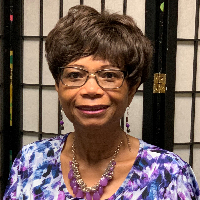










Brittany Snyder
LMHC
Indiana - 13 yrs exp










How divorce therapy typically works for Indiana residents
Divorce therapy is focused on helping you navigate the emotional, practical, and relational shifts that occur during separation and after legal proceedings. In Indiana, therapy for divorce often begins with an initial assessment where the therapist asks about your current situation, goals for therapy, and any immediate concerns such as children's needs, safety, or financial stress. That first meeting gives you and the clinician a chance to determine whether the approach and pace fit your needs. Sessions may focus on emotional processing, communication skills, co-parenting strategies, planning next steps, or rebuilding identity and routine after a major relationship change.
Therapists who work with divorcing clients commonly combine techniques from evidence-informed approaches to suit individual circumstances. Depending on your priorities, you may spend more time on emotion regulation and coping strategies, practical planning around separation logistics, or improving communication with an ex-partner. Therapy can be short-term and goal-focused or longer-term if you need more time to process grief, anger, or loss that often accompany divorce.
Types of support available
You can find clinicians who specialize in individual therapy, couples counseling for separation conversations, and specialized family or parenting support. Some therapists offer targeted services for issues that frequently arise in divorce - such as managing conflict, addressing infidelity, navigating blended family dynamics, and working through financial anxiety. Others focus on helping parents create healthy co-parenting plans that prioritize children's well-being while setting boundaries and routines for adults.
Finding specialized help for divorce in Indiana
When searching for a divorce therapist in Indiana, look for clinicians with experience in separation and family transitions. Many therapists list specialties and populations they work with, so you can identify professionals who have handled custody-related stress, mediation coordination, or trauma that sometimes accompanies relationship breakdowns. If you live in or near larger urban centers such as Indianapolis, Fort Wayne, Evansville, or South Bend, you will often find a broader range of therapists and specialty programs. In more rural areas, online options can bridge the geographic gap and connect you with clinicians who have niche expertise.
It is reasonable to ask potential therapists about their experience with matters that matter to you. Some clinicians collaborate with family law attorneys, mediators, or parenting coordinators; others have training in child development, trauma-informed care, or couples work that can be useful during and after separation. You may also want to know whether a therapist has experience supporting people through complex splits that involve interstate moves, high-conflict custody disputes, or significant financial transitions.
What to expect from online therapy for divorce
Online therapy is a common option in Indiana and can be especially helpful when balancing work, childcare, or living in an area with fewer in-person clinicians. With online sessions, you can attend from home or another quiet location, provided you have a reliable internet connection and a private space for conversations. Many people appreciate the convenience - fewer commute times and greater scheduling flexibility - while still receiving focused therapeutic support.
Before starting online therapy, you may want to check technical requirements and availability. Therapists typically provide guidance on what platform they use and how to prepare for a session. Licensing rules often mean a therapist must be authorized to practice where you are physically located during the session, so expect clinicians to confirm your location at the start of treatment. Some therapists offer hybrid arrangements - a mix of in-person visits in cities like Indianapolis or Evansville and remote sessions for greater flexibility. If you plan to involve a co-parent in joint sessions, discuss logistics in advance to ensure everyone has a suitable setting and understands the goals.
Common signs that someone in Indiana might benefit from divorce therapy
People seek divorce therapy for many reasons. You might notice persistent sadness, overwhelming worry about the future, difficulty sleeping, or trouble concentrating at work. Relationship stress that spills into parenting - such as frequent arguments in front of children or a breakdown in co-parent communication - is also a frequent trigger for reaching out. If you find that decision-making feels paralyzing, that you are replaying painful conversations, or that daily functioning has been affected, therapy can provide tools and a space to work through these challenges.
Another indicator is repeated conflict escalation. If interactions with your ex-partner cycle into hostility rather than productive conversations, a therapist can help you develop strategies to lower tension and protect children from being drawn into adult disputes. You might also consider therapy if you are negotiating major practical changes - moving, dividing assets, or altering custody arrangements - and want support in planning those transitions with emotional readiness in mind.
Tips for choosing the right divorce therapist in Indiana
Choosing a therapist is a personal decision. Begin by clarifying what you want from therapy - immediate coping strategies, support through legal processes, parenting guidance, or deep emotional work. Use search filters to find clinicians who list divorce, separation, co-parenting, or family transitions as specialties. When contacting a therapist, ask about their experience with situations similar to yours, their usual therapeutic approach, and whether they have particular training in areas you value, such as trauma-informed care or child-focused interventions.
Consider practical factors as well. In major cities such as Indianapolis and Fort Wayne there may be more evening and weekend availability, which can be helpful if work or childcare schedules are tight. Discuss fees, insurance participation, and sliding scale options directly with the clinician. If you prefer in-person visits, look for practitioners located near transit or neighborhoods that are convenient for you. If online therapy is appealing, inquire about session length, cancellation policies, and any preparatory materials that will help you make the most of remote sessions.
Questions to ask during a first contact
When you reach out to a prospective therapist, ask about their familiarity with Indiana-specific resources that might be relevant - such as local support groups, family court referrals, or community programs in cities like Evansville or South Bend. Ask how they approach co-parenting concerns and whether they have experience working with court-ordered evaluations or collaborating with attorneys when appropriate. You may also want to know how they measure progress and how often they reassess goals, so you can feel confident the work is moving in a helpful direction.
Trust your instincts when you speak with a therapist. You should feel heard and respected from the first contact. If the clinician’s approach or communication does not match what you need, it is acceptable to continue searching until you find someone who feels like a fit. Therapy is most effective when there is a collaborative relationship and clear goals that you both agree on.
Moving forward
Divorce therapy can be an important space to process change, regain a sense of stability, and plan for the future. Whether you are in Indianapolis, Fort Wayne, Evansville, South Bend, or a smaller Indiana community, there are therapists who focus on the unique challenges of separation and co-parenting. Take time to review clinician profiles, ask practical questions about experience and approach, and choose a therapist whose guidance aligns with your needs and schedule. When you find a match, therapy can help you build coping strategies, protect relationships with children, and move toward a new chapter with more clarity and resilience.