Find a Solution-Focused Therapy Therapist in Illinois
Solution-Focused Therapy emphasizes building practical solutions and identifying strengths to reach measurable goals. Find practitioners trained in this approach throughout Illinois and browse listings below to connect with a therapist in your area.
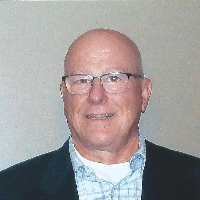
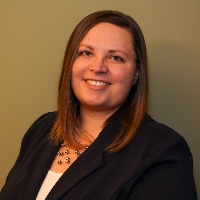


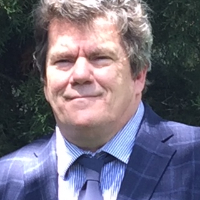
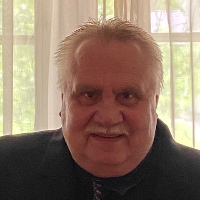




Angela Veach
LCPC
Illinois - 25 yrs exp











What Solution-Focused Therapy Is
Solution-Focused Therapy is a goal-oriented approach that focuses on what you want to achieve rather than dwelling on the origin of a problem. Therapists who use this approach work with you to identify existing resources and past successes, then apply those strengths to create realistic, step-by-step changes. The work is often brief and pragmatic - typically centered on small, concrete adjustments that move you toward a clearer sense of progress.
Core principles behind the approach
At the heart of Solution-Focused Therapy are a few consistent ideas. You and your therapist focus on exceptions - times when the problem is less severe or absent - and explore what might be different in those moments. Questions are used to elicit your goals and to identify incremental actions that feel achievable. Scaling questions help you and your therapist measure progress. Because the approach emphasizes solutions and practical strategies, sessions often move quickly from identifying goals to planning next steps.
How Therapists in Illinois Use Solution-Focused Therapy
Across Illinois, clinicians adapt Solution-Focused techniques to a variety of settings and populations. You may find therapists in urban clinics in Chicago applying these methods to help people manage stress in fast-paced careers, while practitioners in suburban communities such as Naperville and Aurora might use them with families seeking clearer communication patterns. Some therapists combine Solution-Focused strategies with other evidence-informed approaches to tailor work to your needs, and others keep the focus narrowly solution-oriented for shorter-term goals.
Clinicians working in community mental health centers, private practices, and employee assistance programs across the state often appreciate the approach for its flexibility and focus on measurable outcomes. In areas with diverse communities, therapists frequently consider cultural factors as they help you translate broad goals into actions that fit your daily life and values. Whether you prefer in-person meetings near where you live or remote sessions, many Illinois therapists use Solution-Focused techniques in ways that suit local needs and schedules.
Issues Commonly Addressed with Solution-Focused Therapy
Solution-Focused Therapy is commonly used to address a wide range of concerns where goal-setting and practical change are priorities. You might seek this approach if you want support with stress management, relationship adjustments, navigating life transitions such as relocation or career change, or improving day-to-day functioning. Therapists also use solution-focused strategies to assist with symptom management for anxiety or low mood by setting achievable steps that alleviate immediate burdens and build momentum.
Because the work tends to be focused and task-oriented, people often choose Solution-Focused Therapy when they prefer a shorter-term course of sessions or when they want an approach that emphasizes tangible outcomes. It can be suitable for individuals, couples, and families who are ready to identify and pursue concrete goals rather than explore long-standing patterns in depth.
What a Typical Online Solution-Focused Session Looks Like
If you opt for online sessions with a therapist in Illinois, a typical Solution-Focused meeting is likely to be structured and goal-driven. The session commonly begins with a brief check-in about what has changed since your last meeting and whether any small steps you tried were helpful. Your therapist will ask focused questions to clarify what success looks like for you and to highlight moments when your difficulty was less pronounced.
During an online session, you can expect discussion to move quickly from problem description to planning. Your therapist may use scaling questions to assess where you are on a given day and will help you identify one or two specific actions to try before the next appointment. Many people appreciate the clarity of this format - sessions feel purposeful and you leave with concrete tasks or experiments to practice between sessions. Practical considerations for online work include ensuring a reliable internet connection, finding a comfortable environment where you can speak freely, and agreeing on session length and boundaries with your therapist before starting.
Who Is a Good Candidate for Solution-Focused Therapy
Solution-Focused Therapy tends to fit people who want active, practical guidance and who are ready to work toward specific goals in a relatively short time frame. If you prefer problem-solving, enjoy experimenting with small behavioral changes, and appreciate frequent checks on progress, this approach may suit you. It is also a good fit when you have a clear objective - for example, improving communication with a partner, developing strategies to manage workplace stress, or building a routine for better daily functioning.
However, if you are looking to explore deep-rooted patterns from early life or require intensive, long-term psychotherapy for complex trauma, you may want to discuss blending Solution-Focused techniques with other modalities or choosing a different primary approach. A skilled therapist will help you determine whether a solution-focused course is likely to meet your needs and will outline options if a different direction seems more appropriate.
How to Find the Right Solution-Focused Therapist in Illinois
When searching for a therapist in Illinois, start by considering practical factors such as location, availability, and whether you prefer in-person meetings or online sessions. If you live near major population centers like Chicago, Aurora, or Naperville, you will likely find a wide range of practitioners and specialties. Read therapist profiles to learn about their training in Solution-Focused Therapy, experience with the issues you want help with, and whether they mention outcome-focused strategies or short-term work.
Beyond credentials, think about the interpersonal fit. You can often request a brief consultation to get a sense of whether a therapist’s style matches your needs. During that initial conversation, ask how they structure a Solution-Focused course of treatment, how they measure progress, and what typical session frequency and duration look like. You may also want to inquire about fees, insurance billing, and whether sliding scale options are available if cost is a concern.
Location matters for in-person work - consider travel time and parking if you plan to meet in person in neighborhoods in Chicago or suburbs like Naperville. If you choose online sessions, look for therapists who mention experience with telehealth and who can help you troubleshoot technical issues ahead of time. Ultimately, the best match is a therapist who listens to your goals, explains how they will help you reach them, and sets a plan that feels clear and achievable.
Preparing for Your First Session and What to Expect
Before your first Solution-Focused session, it can be helpful to reflect briefly on what a successful outcome would look like for you. Think about specific situations where things go better and what you would notice if changes were happening. You do not need to have a long story prepared - the aim is to give the therapist a clear sense of your desired direction so you can begin mapping steps right away.
In the initial meeting, your therapist will likely prioritize establishing goals and identifying small, practical actions you can try. You should leave with clear next steps and an agreed-upon plan for follow-up. If at any point you feel the approach is not meeting your needs, raise that with your therapist so you can adjust the plan or consider other options. Working collaboratively will help you make the most of solution-focused methods while staying aligned with your priorities.
Solution-Focused Therapy is an accessible, action-oriented option for many people seeking change in Illinois. Whether you are exploring support in Chicago, Aurora, Naperville, or elsewhere in the state, taking time to match with a therapist who understands your goals and offers a clear, practical path forward can make a meaningful difference in how quickly you notice progress.