Find a Narrative Therapy Therapist in Illinois
Narrative Therapy is a collaborative approach that helps people separate problems from their identity by examining and reshaping the stories they live by. Find practitioners across Illinois who use narrative techniques to support change - browse the listings below to compare clinicians and request a consultation.



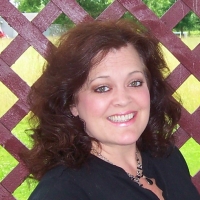
Dr. Cindy Cook
LCSW
Illinois - 23 yrs exp
















Understanding Narrative Therapy
Narrative Therapy is built on the idea that the stories you tell about yourself shape how you experience your life. Rather than treating symptoms as fixed facts, this approach helps you explore the meanings, assumptions and social influences that have formed your personal narrative. Therapists trained in narrative methods work collaboratively with you to identify alternative interpretations and possibilities that may have been hidden by dominant or problem-focused stories.
At its heart, Narrative Therapy is respectful and curiosity-driven. It views people as experts on their own lives and places emphasis on language, context and relationship. Through conversation, you and your therapist will map the influence of problems so that the problem becomes an external concern you can discuss and change, rather than something that defines you.
Core principles
Several guiding principles shape narrative work. Therapists emphasize externalizing problems - describing a difficulty as separate from a person - so you can examine its effects without feeling labeled. Re-authoring is another central idea, where you and your therapist identify moments that contradict the problem story and begin to develop richer, more empowering narratives. Attention to cultural and social context is essential, because family histories, community expectations and social structures influence which stories become dominant. Collaboration, curiosity and respect for your values are the practical stance a narrative therapist brings to sessions.
Narrative Therapy Practice in Illinois
In Illinois, narrative therapists adapt these principles to a wide range of settings and communities. Urban clinicians in Chicago often weave considerations about work, neighborhood dynamics and cultural identity into therapy, while practitioners in suburban areas like Naperville and Aurora may focus on family stories, schooling and life transitions. In Springfield, Rockford and smaller towns, therapists may pay particular attention to regional social norms and the impact of community relationships on personal narrative.
Therapists trained in narrative approaches in Illinois bring diverse backgrounds, including social work, marriage and family therapy, and counseling psychology. Many draw on local community resources, cultural practices and collaborative networks to make therapy relevant to your life. Whether you prefer in-person sessions close to home or online appointments that fit a busy schedule, you can find clinicians who tailor narrative methods to your circumstances and goals.
Issues Narrative Therapy Commonly Addresses
People choose Narrative Therapy for many reasons. It is commonly used for relationship concerns, identity issues, grief and loss, anxiety and low mood. Because the approach centers on meaning and story, it is also helpful when you feel stuck in repetitive patterns or when an experience - such as trauma, discrimination or a major life change - has reshaped how you see yourself. Narrative Therapy can support people navigating cultural identity, family conflict, parenting challenges and transitions like career changes or retirement.
The method is flexible and can be integrated with other therapeutic practices when appropriate. Therapists in Illinois often combine narrative techniques with skills-based work when clients want tools to manage stress or symptoms, while keeping the focus on reshaping the narratives that give those symptoms meaning.
What a Typical Online Narrative Therapy Session Looks Like
An online narrative therapy session usually begins with a conversation that invites you to describe the problem in your own words. Your therapist will ask curious, open-ended questions to help you notice patterns, exceptions and moments where the problem had less influence. This is a collaborative exploration rather than a diagnostic interrogation. You might be asked to reflect on who else is involved in the story and how cultural or family messages have contributed to the narrative.
Throughout the session, your therapist will aim to highlight your strengths and identify small, concrete moments that point toward a preferred story. You may be invited to try different ways of telling your story between sessions, to notice how language shapes feeling, or to bring artifacts such as letters, photos or journal entries that reflect meaningful parts of your life. Online sessions often use screen sharing for worksheets or notes, and follow-up messages or resources may be shared to reinforce discoveries made during conversation.
Practicalities for online work include choosing a comfortable environment where you can speak freely, testing audio and video beforehand, and agreeing with your therapist on session length and frequency. Many Illinois therapists offer both in-person and online appointments so you can decide which format fits your needs and comfort level.
Who Is a Good Candidate for Narrative Therapy?
You might be a good candidate for Narrative Therapy if you are interested in exploring how personal and social stories influence your life and you want a collaborative, conversational approach. If you prefer to work from your own values and take an active role in reshaping your life narrative, narrative work can be empowering. It often appeals to people seeking to understand relational patterns, reclaim agency after difficult experiences, or find new ways of describing identity.
If you are looking for quick symptom reduction, narrative therapy can still be useful, but it often focuses on long-term meaning-making in addition to immediate coping. Tell a prospective therapist about your priorities - whether you want tools for day-to-day management, deeper identity work, or both - so they can describe how they would tailor narrative techniques to your goals.
How to Find the Right Narrative Therapy Therapist in Illinois
Begin by considering practical factors such as location, availability and whether you prefer in-person sessions in cities like Chicago, Aurora or Naperville, or the convenience of online meetings. Look at clinician profiles to learn about training in narrative approaches, experience with concerns like yours, and whether they mention cultural competence or work with communities similar to yours. A therapist's description of their approach should feel clear and respectful, and you should sense a collaborative stance in how they explain their work.
When you contact a therapist, ask about their experience using narrative techniques and how they tailor sessions to individual needs. Inquire about session length, fee structure and whether they accept your insurance or offer sliding scale options if cost is a concern. Many therapists offer a brief phone or video consult so you can get a feel for their style before committing to a full appointment. Pay attention to how comfortable you feel during that initial contact - the relationship you build will be an important part of the therapeutic process.
Finally, trust your instincts. Finding the right match may take trying a few clinicians until you feel understood and hopeful about change. Narrative Therapy is a flexible, empowering approach, and when matched with the right therapist it can help you re-author parts of your life in ways that feel authentic and meaningful.
Explore the listings above to compare Narrative Therapy therapists across Illinois and request a consultation to see who might be the best fit for your needs and goals.