Find an Internal Family Systems Therapist in Illinois
Internal Family Systems (IFS) is a therapeutic approach that helps you understand and relate to different parts of yourself while strengthening your core Self. Find IFS practitioners across Illinois who offer in-person and remote options - browse the listings below to compare experience and specialties.
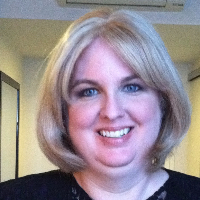
Angela Veach
LCPC
Illinois - 25 yrs exp





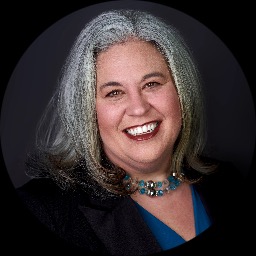
Dr. Kathryn (Kitty) Klee
LCPC
Illinois - 33 yrs exp














What Internal Family Systems is and how it works
Internal Family Systems is a model that describes the mind as made up of multiple parts, each with its own feelings, roles and perspectives, and a central Self that can lead with clarity and calm. The approach treats these parts with curiosity rather than judgment, inviting you to get to know what each part wants and the ways it tries to protect you. You and your therapist work together to create an inner dialogue in which protective parts can relax and wounded parts can receive attention and care. The emphasis on Self-leadership means you learn practical skills to notice, soothe and integrate parts so that day-to-day choices feel less reactive and more aligned with your values.
How therapists in Illinois use Internal Family Systems
Across Illinois, clinicians adapt IFS to a wide range of contexts. In large urban centers such as Chicago, you will find therapists combining IFS with couples therapy, trauma-informed care and somatic approaches to address complex presentations. In suburban communities like Naperville and Aurora, practitioners may offer IFS as a central approach for individual therapy while also integrating it with work on life transitions, parenting and stress management. In smaller cities and more rural areas, therapists often use telehealth to bring IFS work to clients who might not otherwise have access. Licensed clinicians trained in IFS emphasize collaborative exploration over directive problem-solving - they guide you to develop a trusting relationship with your parts and to strengthen your capacity for self-guided healing.
What issues Internal Family Systems is commonly used for
You might pursue IFS when you want a way to understand recurring patterns, difficult emotions or behavior that feels out of your control. Many people seek IFS for anxiety, persistent self-criticism, depression and the effects of past trauma. It is also commonly used for relationship struggles, grief, issues with identity and self-worth, and for people who feel stuck in cycles of avoidance or overcompensation. Therapists in Illinois frequently use IFS with clients who want to reduce reactivity in relationships, shift unhealthy coping strategies, or develop a more compassionate inner voice. While IFS does not promise a specific outcome, it offers a framework for exploring the origins of your patterns and for building new ways of responding to yourself and others.
What a typical online IFS session looks like
When you meet with an IFS therapist online, the session usually begins with a check-in about what has been happening for you since the last appointment. Your therapist will help you ground into the present moment with simple breathing or mindful noticing so you can attend to inner experience. From there, you may be invited to identify a part that is active - perhaps a critic, a caretaker or an anxious part - and to describe how it feels in the body and what it wants. Your therapist uses gentle, curious questions to help you approach that part from the perspective of Self rather than from the part's own urgency.
Sessions often involve guided inner dialogue in which you name and listen to parts, allow them to share their concerns and then offer the kinds of reassurance or boundaries they need. Some therapists incorporate visualization, journaling prompts or brief grounding exercises that you can practice between sessions. Online sessions require a quiet, comfortable environment in your home or another private area where you will not be interrupted. Many Illinois clinicians will discuss technical needs and consent at the start so that you and your therapist can focus on the therapeutic work rather than on logistics.
Who tends to benefit from Internal Family Systems
IFS can be a good fit if you are curious about your inner life, willing to attend to emotions and ready to explore long-standing patterns without being blamed for them. You do not need to be highly verbal - much of IFS work involves noticing sensations, images and the tone of parts as well as their stories. People who have experienced trauma often find IFS useful because it offers a non-pathologizing way to understand symptoms as protective responses rather than personal failures. If you are in crisis or experiencing active safety concerns, IFS alone may not be the immediate answer and a therapist can help connect you with the appropriate level of care. Otherwise, if you want to develop more self-compassion and steadiness in daily life, you may find IFS a helpful path.
Finding the right Internal Family Systems therapist in Illinois
Choosing a therapist is a personal process that depends on your needs and comfort. Start by looking for clinicians who list IFS training and who describe how they integrate it with other methods you value. Read profiles to learn about a therapist's experience with issues similar to yours and whether they offer in-person sessions in cities like Chicago, Naperville or Aurora, or telehealth options that reach Springfield, Rockford and beyond. Consider logistics such as availability, fees and whether they accept your insurance or offer sliding scale rates. Reach out to ask about their approach to working with parts, how they handle strong emotional reactions in session and what a typical course of IFS work looks like for someone with your concerns.
An initial consultation is an opportunity to assess fit - notice how the therapist listens, whether they convey respect for your perspective and how comfortable you feel with their pacing. Cultural competence and an ability to work with your background and identity are important, so do not hesitate to ask about experience with issues such as race, gender, sexuality and religion if those are relevant to you. In Illinois, urban clinicians may have broad practice areas and specialist referrals nearby, while therapists outside major metropolitan centers may offer more flexible scheduling and a continuity of care through telehealth. Trust your sense of rapport - a therapist who helps you feel seen and understood is often a better match than one with a longer resume but less relational fit.
Practical considerations for Illinois clients
If you live in or near Chicago, you will likely find a wide range of IFS-trained therapists, including clinicians who work with diverse populations and offer evening appointments to fit busy schedules. In suburbs like Naperville and Aurora, therapists commonly provide both in-person and online sessions and may have experience working with families and parenting stress. If you are in Springfield, Rockford or another less densely populated area, telehealth expands options so you can access specialists without long commutes. When you contact a therapist, ask about their cancellation policy, how they handle emergencies and what technology platform they use for telehealth so you can prepare for a smooth first session.
Next steps
Beginning IFS work is often as simple as selecting a few profiles that resonate and scheduling brief introductory calls to ask questions and get a sense of fit. As you compare therapists across Illinois, prioritize training in IFS, experience with the issues you care about and the quality of the therapeutic relationship. Whether you live in the city or the suburbs, clinicians are available to support you in learning to lead from your Self and to build more compassionate relationships with your parts. Browse the listings above, reach out to a few therapists, and schedule a first session to see how IFS might fit into your path forward.