Find a Social Anxiety and Phobia Therapist in Illinois
This page lists therapists practicing in Illinois who focus on social anxiety and phobia treatment. You can review clinician profiles, credentials, and areas of expertise to find a good match. Browse the listings below to start your search for local or online care.


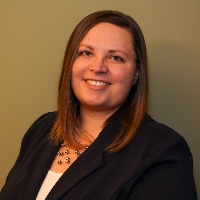






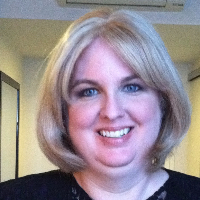
Angela Veach
LCPC
Illinois - 25 yrs exp








How social anxiety and phobia therapy works in Illinois
If you are living in Illinois and exploring therapy for social anxiety or specific phobias, the process typically begins with an intake conversation to understand your history, current challenges, and goals. Therapists gather information about the situations that cause distress, the thoughts and physical sensations you experience, and the patterns that maintain avoidance. From there you and your clinician create a plan that fits your life - this might include regular sessions, homework exercises to practice skills between appointments, and strategies to gradually approach feared situations.
Therapists in Illinois practice a range of evidence-informed approaches. Treatment often focuses on reducing avoidance, building coping skills, and reshaping the thoughts that make social situations feel overwhelming. Many clinicians tailor interventions for your age, cultural background, work or school demands, and the communities where you live - whether you are in Chicago, Aurora, Naperville, Springfield, or Rockford.
Assessment and goal setting
At the start of work with a therapist you can expect an assessment period where symptoms are described and functional impacts are clarified. This stage is collaborative - you and the clinician identify what would feel different if therapy were successful. Goals might target reducing panic-like responses in crowds, increasing comfort speaking up at meetings, or working toward attending social events without avoidance. Clear goals help shape the type and pace of therapy so progress can be measured in ways that matter to you.
Common therapy approaches
Cognitive and behavioral approaches are commonly used for social anxiety and phobias because they directly address the thoughts and behaviors that maintain fear. Exposure-based work is often a central feature - that means gradually and safely confronting feared situations to learn that anxiety can decrease over time. Skills training, such as relaxation techniques, breathing practice, and social skills rehearsal, can complement exposure and make real-world practice more manageable. Some clinicians also integrate mindfulness, acceptance-based strategies, or interpersonal techniques when those fit your needs.
Finding specialized help for social anxiety and phobia in Illinois
Searching for a clinician who understands social anxiety and phobia starts with looking at credentials and experience, but it also includes practical fit. You might prefer a therapist licensed as a professional counselor, clinical social worker, psychologist, or psychiatrist depending on the type of support you want. Many clinicians list specialties, typical treatment approaches, and populations they serve. If you live in a larger metro area like Chicago or Naperville you will often find a wider variety of specialists and settings. In smaller cities and towns, clinicians may offer teletherapy to expand options.
Local clinics and community resources
Illinois has mental health clinics, university training centers, and community organizations that can be helpful entry points. Community clinics may offer lower-fee options or sliding scale fees, while university clinics can provide care from clinicians-in-training under supervision. Local support groups and community education events can also complement individual therapy by providing opportunities to practice social skills in a structured, low-pressure environment. If you are in Aurora or Rockford, check for regional resources that serve your county and surrounding areas.
Telehealth options across the state
Teletherapy has become a widely used option in Illinois and can be particularly helpful for social anxiety because it allows you to practice skills in your own environment and to schedule sessions with clinicians who may not be local. You can often choose a therapist licensed to practice in Illinois who offers remote sessions, which increases your options beyond your immediate city. When considering telehealth, think about how comfortable you are using video or phone, whether you have a private, interruption-free place to meet, and how your daily schedule will accommodate regular sessions.
What to expect from online therapy for social anxiety and phobia
Online therapy sessions generally mirror in-person sessions in structure - you meet with a clinician, review progress, practice strategies, and plan exposures or homework. Many therapists provide guided exercises, worksheets, or recorded practices that you can use between sessions. For exposure work, your clinician may help you design tasks that can be completed safely in your home, neighborhood, or community. Virtual sessions can also make it easier to involve family members or support people when that is helpful for your goals.
Some practical considerations include ensuring you have a consistent internet connection for video sessions and a comfortable environment that allows you to focus. If you live in a busy household or shared living situation, you might schedule sessions at times when interruptions are least likely. You can discuss personal nature of sessions measures and the therapist's policies at the start of care so you know how information is managed and how to reach them between sessions if needed.
Common signs you might benefit from social anxiety and phobia therapy
You might consider seeking help if social situations regularly lead to intense anxiety that interferes with school, work, relationships, or hobbies. This can show up as avoidance of activities you used to enjoy, difficulty speaking up in meetings, fear of being judged in small groups, or panic-like symptoms when facing specific situations such as public speaking or riding in an elevator. If worry about humiliation or intense fear of specific objects or situations leads to changes in your routine or limits your life, therapy can offer structured ways to address those patterns.
Another sign that therapy may help is when self-help strategies and support from friends or family are no longer enough. If you find that your anxiety leads to repeated cycles of avoidance and missed opportunities, a clinician trained in social anxiety and phobia treatment can work with you to develop sustainable skills and gradual exposure plans that match your pace.
Tips for choosing the right therapist for this specialty in Illinois
When evaluating potential therapists, look for clinicians who list social anxiety, social phobia, or specific phobia among their specialties and who describe the approaches they use. You may want to ask about their experience with exposure-based work, their typical session format, and how they measure progress. Consider whether you prefer a therapist who emphasizes cognitive restructuring, behavioral experiments, skills training, or an integrative approach that blends methods.
Practical factors matter as well. Think about whether you want in-person sessions or teletherapy, which days and times you can commit to, and whether cost or insurance participation affects your choice. Many therapists offer an initial consultation to see if you are a good fit - use that meeting to get a sense of their style, how they explain treatment, and whether you feel comfortable working with them. Feeling understood and respected by your clinician is an important part of effective care.
If you live in Chicago or Naperville you may have access to a wider variety of specialties and clinic settings, while those in smaller communities may rely more on telehealth to connect with clinicians who focus on social anxiety. Regardless of location, you can ask potential therapists how they adapt exposure work to your context and what supports they offer for practice between sessions.
Next steps and finding care
Taking the first step toward treatment can feel challenging, but learning about how therapy works and exploring clinician profiles can make the process more manageable. Use the listings on this page to review credentials, read therapist summaries, and reach out for an initial consultation. You can prepare for that first contact by noting the situations that cause you the most difficulty, your treatment goals, and any questions you have about approach, scheduling, or fees. With the right match and a clear plan, therapy can help you build confidence, reduce avoidance, and expand the life you want to live in Illinois and beyond.