Find a Queer Friendly Therapist in Illinois
This page lists queer friendly therapists who serve Illinois residents, from Chicago to smaller communities. Explore therapist profiles below to compare specialties, approaches, and availability before reaching out.
Use the listings to find clinicians who align with your identity, values, and practical needs, then connect directly to schedule an initial visit or phone consultation.


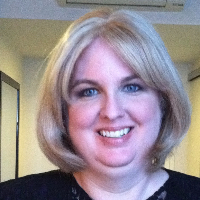
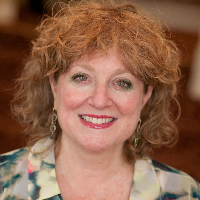
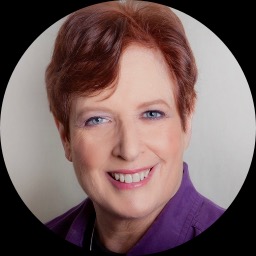
Angela Veach
LCPC
Illinois - 25 yrs exp










How queer friendly therapy works for Illinois residents
When you look for queer friendly therapy in Illinois, you are seeking clinicians who understand LGBTQ+ identities and the social experiences that often accompany them. Queer friendly therapists tend to prioritize respect for gender and sexual diversity, cultural humility, and openness to discussing topics like coming out, relationships, family dynamics, and minority stress. In practice this means clinicians will ask about your lived experience, use your chosen name and pronouns, and work with you to set goals that reflect your values rather than defaulting to heteronormative assumptions.
Therapy in Illinois can be offered in many settings. You may meet a therapist in an office in Chicago, schedule sessions at a counseling center near Aurora, find a clinician with evening appointments in Naperville, or connect with a clinician who offers session times that fit your work schedule. The experience should feel collaborative - you and the clinician will decide on the focus and pace of treatment as you get to know each other.
Finding specialized help for queer friendly care in Illinois
Start by identifying what matters most to you beyond the label queer friendly. Some clinicians emphasize gender-affirming care, others specialize in relationship counseling for same-sex couples, and some focus on trauma or substance use within queer communities. Look for credentials that indicate training in LGBTQ+ issues, such as continuing education, involvement with community organizations, or supervised experience with queer clients. Licensure matters too - therapists in Illinois will hold state licenses like LCSW, LPC, LMFT, or similar credentials that indicate formal training and oversight.
Geography plays a role in what you can access. In large urban centers like Chicago you will often find a wider range of specialties and therapists who work with specific subgroups. In suburban and smaller areas the choices may be fewer, but many clinicians serve a broad range of queer needs and can work with you effectively. If local options are limited where you live, teletherapy can expand your choices and allow you to connect with clinicians who have particular expertise.
What to expect from online therapy for queer friendly care
Online therapy can be a practical option if you live outside major hubs or need flexible scheduling. When you choose virtual care, expect an initial conversation about logistics - how sessions will be conducted, what platform you will use, payment and cancellation policies, and how the clinician manages emergencies. A queer friendly therapist will also ask about your comfort with remote sessions and make adjustments to create a supportive digital environment.
Teletherapy can make it easier to find a clinician with the exact experience you want, even if they are based in another Illinois city. For example, you might work with a counselor in Chicago while living in Aurora or Naperville. Many clinicians combine in-person and online hours, which can help when your needs change. Keep in mind practical factors like internet stability and a quiet place where you can talk without interruption so you can get the most out of each session.
Common signs you might benefit from queer friendly therapy
You might consider queer friendly therapy if you find questions about identity or relationships taking up more mental energy than you'd like. Persistent feelings of isolation, worry about how others will react to your identity, or repeated conflict with family or partners around sexual orientation or gender can all make therapy helpful. You may also seek a therapist to process experiences of discrimination, bullying, or workplace microaggressions, or to explore medical or social transitions in a supported way.
Other reasons people pursue queer friendly therapy include navigating relationship agreements, coping with changes after a breakup, managing stress related to activism or community engagement, and addressing patterns of anxiety or low mood that interfere with daily life. Therapy is a space to learn skills for emotion regulation, communication, and boundary-setting while receiving an affirming response to your identity.
Tips for choosing the right queer friendly therapist in Illinois
Begin by reviewing therapist profiles to note specialties, treatment approaches, and any statements about experience with LGBTQ+ clients. When you contact a clinician, ask specific questions that matter to you - whether they have worked with clients of your gender or sexual identity, their approach to gender-affirming needs, and how they support people navigating family or legal challenges in Illinois. It is reasonable to ask about practical matters too - appointment times, fees, insurance and billing practices, and sliding scale options if cost is a concern.
Pay attention to how a clinician responds during your first contact. A queer friendly therapist will listen, validate your concerns, and answer questions clearly. If an initial consultation leaves you feeling misunderstood or dismissed, it is appropriate to try another therapist. You might value proximity if you prefer face-to-face sessions in cities like Chicago, while others prioritize a clinician's specific experience over geographic closeness. Consider language needs, cultural background, and whether you want someone who works with particular age groups or family structures.
For those in smaller towns or suburbs, look for clinicians who are experienced in regional issues and resources. Someone in Naperville or Aurora may have a good sense of local support groups, medical providers, and school systems, while a Chicago-based clinician may offer extensive community connections and specialty services. You can also reach out to community centers and queer organizations for referrals and information about inclusive clinicians in your area.
Practical considerations and next steps
Before your first appointment, clarify logistical details so you feel prepared. Ask how intake paperwork is handled, whether sessions will be billed through insurance or paid out of pocket, and what to do in case of a crisis between sessions. If you are exploring gender-affirming care, ask how the therapist collaborates with medical providers and whether they have experience supporting people through medical or social transitions in Illinois. Many therapists will also discuss expectations about session frequency and how progress will be tracked so you can make informed decisions about ongoing care.
Choosing a queer friendly therapist is a personal process. You do not need to commit to long-term work after a single session - think of the first few meetings as a chance to assess fit and clarify goals. If you feel seen and understood, you have likely found a clinician who can support the next phase of your life. If not, trust that there are other therapists who can be a better match and keep looking until you find someone who feels right for you.
Whether you live in Chicago, commute through Aurora, raise a family in Naperville, or reside elsewhere in Illinois, finding a therapist who affirms your identity and addresses your concerns can be transformative. Use the listings above to compare clinicians, read about their approaches, and reach out when you are ready to take the next step toward support and well-being.