Find an Older (45+) Therapist in Illinois
This directory page highlights therapists in Illinois who focus on older adults aged 45 and up. You will find clinician profiles that list specialties, approaches, and location options across the state.
Explore the listings below to compare experience, availability, and therapy styles so you can connect with a therapist who matches your needs.







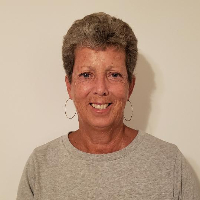
Angela Veach
LCPC
Illinois - 25 yrs exp
















How older (45+) therapy typically works for Illinois residents
When you look for therapy designed for older adults in Illinois, you are seeking clinicians who understand life-stage transitions, health changes, caregiving roles, and evolving relationships. Many therapists combine evidence-based methods with a strengths-based approach that honors the life experience you bring to each session. Sessions may focus on coping skills, processing grief and loss, navigating retirement or job changes, managing anxiety around health, or improving communication with family. Some therapists offer single-session assessments to help you set goals and choose the right path, while others provide ongoing therapy that unfolds over months based on your needs.
Therapy can be delivered in person at an office, which may be more common in larger cities, or through online video and phone sessions. In Illinois, clinicians are licensed according to state rules, so you can expect to see license types and credentials listed in profiles. You should verify that a clinician’s license is active and appropriate for the services you want. Many therapists are also experienced in coordinating care with physicians, social workers, or geriatric teams when needed, and they can help you find local resources or support groups that complement one-on-one therapy.
Finding specialized help for older adults in Illinois
Finding a therapist who specializes in older adults means looking for experience with issues common to midlife and later life. You might search for clinicians who list geriatric mental health, life transitions, chronic illness adjustment, or caregiver support among their specialties. If you live in Chicago, Aurora, or Naperville, you will often find a wider variety of in-person options, while smaller towns may offer clinicians who provide telehealth to reach more people.
When you read profiles, pay attention to the clinician’s training, typical client age ranges, therapeutic approaches, and population focus. Some therapists emphasize cognitive behavioral strategies that help with anxiety and depression, while others focus on meaning-centered work, trauma-informed care, or relational approaches that involve family members. If cultural background or language is important to you, look for therapists who note cultural competence or multilingual skills in their descriptions. You can also contact local aging services, community mental health centers, or university training clinics for referrals when you want low-cost options or specialized programs.
Licensing and practical considerations
Licenses you are likely to see include licensed clinical social worker, licensed professional counselor, marriage and family therapist, and licensed psychologist. Each license has different training and scope of practice. If insurance reimbursement matters to you, check whether a therapist accepts your plan or offers a sliding scale. Many therapists list session lengths, fees, and whether they provide telehealth, which helps you plan for logistics like scheduling and transportation. In urban areas such as Chicago, accessibility by public transit may also be a consideration when choosing in-person care.
What to expect from online therapy for older adults
Online therapy has become a common option and can be particularly useful if you have mobility constraints, live in a rural area, or prefer the convenience of connecting from home. When you try telehealth, you can expect shorter administrative steps to get started than some in-person clinics require. Sessions are often held via video, but phone sessions may also be available depending on clinician preference. A good therapist will guide you through how to use the platform, what to do in case of technical problems, and how they handle emergency situations in your geographic area.
Online therapy can feel intimate and supportive when you and your therapist establish clear boundaries for sessions, privacy, and communication. If you are new to video sessions, you may want to test your equipment ahead of time and choose a comfortable, quiet place where you can speak freely. In some cases, therapists will combine online work with occasional in-person meetings if that hybrid model fits your needs. If you live in Illinois cities like Naperville or Aurora, hybrid arrangements may be easier to arrange for occasional face-to-face visits.
Common signs you or a loved one might benefit from older adult therapy
You might consider therapy if you notice prolonged changes in mood, sleep, appetite, or daily energy that interfere with your usual activities. Persistent worry about health or the future, difficulty adapting to retirement or a role change, and intense reactions to caregiving responsibilities are common reasons people seek help. You may also seek therapy when grief feels overwhelming after the loss of a partner or close friend, when relationships become strained, or when you feel stuck despite trying to make changes on your own.
Other signs include an increasing sense of isolation, avoidance of social activities that used to be meaningful, or difficulty managing chronic pain or illness-related stress. Family members sometimes notice changes in behavior or mood and encourage someone to explore counseling. Therapy can be a space to process complex emotions, build coping strategies, and create a plan to improve daily functioning and quality of life without making medical claims.
Practical tips for choosing the right therapist in Illinois
Start by clarifying what you hope to achieve in therapy so you can communicate your goals during an initial contact. Read clinician profiles to learn about their experience with older adults and the approaches they use. When you contact a therapist, ask about their work with midlife and later-life concerns, session frequency, expected length of treatment, and whether they have experience coordinating with other professionals such as primary care doctors or geriatric specialists.
Consider logistical fit - location, availability, fee structure, and whether they offer online sessions if that matters to you. If transportation or mobility is a factor, check whether offices are accessible or if telehealth is a more practical option. In metropolitan areas like Chicago you may find evening or weekend appointments, while in smaller communities you may need more flexibility. Trust how you feel after an initial consultation - a good rapport is essential for effective work, so it is reasonable to try a few sessions and reassess whether the therapist’s style aligns with your needs.
Working with families and caregivers
If caregiving is part of your life, look for therapists who have experience supporting caregivers and facilitating family conversations. Therapists can help you set boundaries, communicate needs, and navigate decisions that involve multiple family members. They can also assist in planning for transitions and in finding local resources for respite care or community programs that reduce stress for everyone involved.
Next steps and how to use this directory
Use the listing grid above to filter by specialty, insurance, language, and telehealth availability. When you identify promising clinicians, reach out to schedule a brief consultation or intake appointment. Be ready to ask about experience with older adult concerns, therapeutic approach, session logistics, and fees so you can make an informed choice. If you live in a city such as Chicago, Aurora, or Naperville you may have more options for in-person care, but telehealth opens access across the state.
Finding the right therapist is often a process of matching professional expertise with practical fit and interpersonal connection. Take your time, ask questions, and prioritize a clinician who respects your experience and helps you move toward clear goals. When you are ready, reach out to a therapist listed here to begin the conversation and take the next step toward support.